
Electric Motor Overload: A Comprehensive Diagnostic Guide
Electric motor overload shows up constantly in industrial settings. It drags down operational efficiency and shortens equipment life in ways that add up fast. Spotting these overloads early and dealing with them properly keeps systems running the way they should. This guide lays out a practical diagnostic framework for understanding, detecting, and preventing electric motor overloads, built from hands-on experience with industrial pumping systems and electric motors.
Understanding Electric Motor Overload Dynamics
Electric motor overload happens when a motor tries to pull more current than its design rating allows, usually because the mechanical load has grown too heavy. That extra current generates heat, and heat degrades motor components quickly. The rated current motor specification tells you the safe operating limit under normal conditions. The motor load factor and motor service factor determine how much transient overload a motor can handle without immediate consequences. A motor with a service factor of 1.15, for example, can briefly run at 115% of its rated horsepower without suffering immediate damage. But sustained operation beyond the rated current motor will cause thermal stress, and that stress accumulates. Thermal overload protection devices disconnect the motor circuit when temperatures climb past safe limits, preventing catastrophic failure. Industrial motors like the YBX4 and YBX3 series explosion-proof motors are built with robust thermal management specifically for demanding applications.
Key Indicators of Motor Overload Conditions
Catching motor overload conditions early prevents extensive damage and keeps downtime to a minimum. Several key indicators, both visible and electrical, signal when a motor is overloaded. These signs give plant engineers and technicians the window they need to step in.
Visible and Auditory Warning Signals
Observable cues often provide the first indication of an overloaded motor. A motor smell burning points strongly to insulation breakdown from excessive heat. Motor casing temperature matters too; any significant increase above normal operating temperatures suggests an overload. An unusual motor noise like loud motor humming or grinding can indicate increased mechanical stress or bearing issues made worse by overload. These visible and auditory signals demand immediate attention.
Electrical Parameter Deviations
Electrical measurements give you precise diagnostic data for motor overload. The primary indicator is an elevated electric motor current draw that significantly exceeds the motor’s full-load ampere rating. Ammeters should be used to monitor this parameter regularly. A noticeable motor voltage drop across the motor terminals can signify increased resistance from an overload condition. Changes in the power factor correction motor can also point to inefficiencies caused by excessive load. Analyzing these electrical deviations allows for accurate and timely diagnosis.
Impact of Sustained Overload on Motor Longevity
Sustained motor overload severely compromises the operational lifespan and efficiency of industrial electric motors. The primary consequence is accelerated degradation of insulation, leading to motor insulation breakdown. This breakdown can result in short circuits and complete motor failure. Increased operating temperatures also contribute to premature bearing failure causes, as lubrication breaks down and mechanical stresses intensify. Motors experiencing consistent overload suffer from reduced motor lifespan and significant motor efficiency loss. A 10°C increase in winding temperature can halve insulation life. This makes proactive monitoring and prevention non-negotiable for equipment like the IE3 and IE4 series electric motors.
| Effect of Overload | Normal Operation | Sustained Overload |
|---|---|---|
| Insulation Life | Optimal | Significantly Reduced |
| Bearing Wear | Minimal | Accelerated |
| Energy Efficiency | High | Decreased |
| Motor Lifespan | Extended | Drastically Reduced |
| Maintenance Needs | Routine | Frequent, Costly |
Proactive Strategies for Overload Prevention
Implementing proactive strategies prevents electric motor overloads and keeps operations running smoothly. Proper motor sizing calculations come first; motors need to be appropriately matched to the application’s mechanical load requirements. Thermal overload relays or circuit breakers, correctly calibrated to the motor’s full-load current, provide protection by tripping the circuit during an overload event. Integrating variable frequency drives benefits system control by allowing soft starts and precise speed adjustments, which reduce peak current demands and prevent sudden load shocks. Regular preventive maintenance electric motors schedules that include lubrication, cleaning, and load checks help identify potential issues before they escalate. Periodic power factor monitoring catches inefficiencies early.
For more insights into efficient motor selection, read our article: 《How to Find Reliable Electric Motors for Sale》
Advanced Diagnostic Techniques for Motor Health
Advanced diagnostic techniques offer sophisticated methods for assessing motor health and predicting potential overloads. Vibration analysis motor detects abnormal mechanical stresses or misalignments that can indicate an impending overload or bearing issue. Specialized sensors monitor vibration patterns and identify deviations from baseline data. Thermography motor inspection employs infrared cameras to visualize heat distribution across the motor casing and windings, pinpointing hot spots indicative of excessive current or cooling problems. Motor current signature analysis (MCSA) analyzes the motor’s current waveform to detect electrical and mechanical faults, including rotor bar issues or load fluctuations. These predictive maintenance motor techniques enable early detection, allowing for scheduled interventions and preventing unexpected downtime.
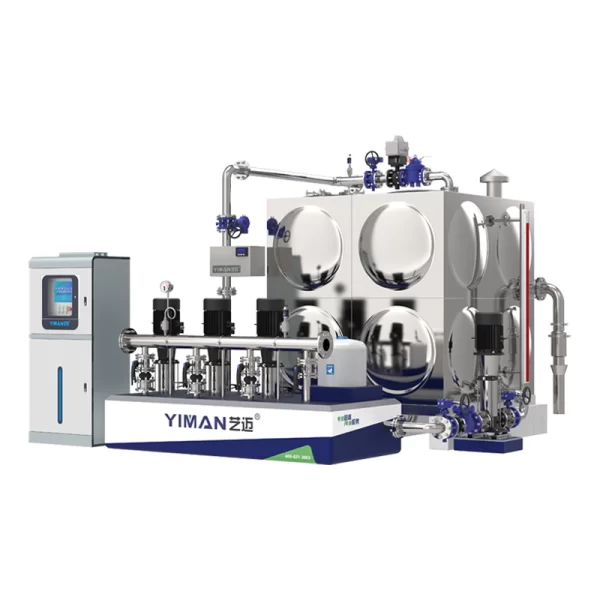
Partnering for Optimal Motor Performance
Ensure the peak performance and longevity of your industrial electric motors and pumping systems. Shanghai Yimai Industrial Co., Ltd. offers a comprehensive range of high-efficiency motors, booster systems, and integrated solutions designed for optimal reliability and energy savings. Contact our experts today for a consultation on preventative maintenance and system optimization. Email: overseas1@yimaipump.com | Phone/WhatsApp: +86 13482295009
FAQ
What are the most immediate signs that an electric motor is experiencing an overload condition?
The most immediate signs of an electric motor overload include excessive heat emanating from the motor casing, a distinct burning smell, unusually loud humming or grinding noises, and visible smoke. Monitoring the motor’s current draw with an ammeter will also show a significant increase above its rated full-load current. These indicators demand prompt attention to prevent severe damage.
How does consistent motor overloading impact its operational lifespan and overall energy efficiency?
Consistent motor overloading drastically reduces its operational lifespan by accelerating the degradation of insulation, leading to premature winding failure. It also significantly decreases energy efficiency due to increased resistive losses (I²R losses) from higher current draw, resulting in higher operating temperatures and wasted energy. This directly translates to increased operational costs and frequent replacements.
What are the primary preventative measures industrial facilities can implement to avoid electric motor overload?
To prevent electric motor overload, industrial facilities should ensure proper motor sizing for the application, utilize thermal overload relays or circuit breakers set correctly, implement VFD Controlled Booster System for controlled starts and speed, and conduct regular preventative maintenance including lubrication and load checks. Monitoring the motor’s power factor can also indicate inefficiencies.
Can vibration analysis help in detecting an overloaded electric motor before critical failure?
Yes, vibration analysis is a highly effective predictive maintenance technique for detecting an overloaded electric motor. Increased load often leads to higher mechanical stress, which can manifest as abnormal vibration patterns. Analyzing these changes can indicate impending bearing failure, shaft misalignment, or other mechanical issues exacerbated by overload, allowing for intervention before critical failure.