Enhancing Pump Station Efficiency with Smart Monitoring Systems
You know, when I think about modern pump stations, it’s clear they’re under a lot of pressure – pun intended! We’re constantly asking them to do more, be more reliable, and frankly, cost less to run. But here’s the thing: sticking to the old ways of managing them often feels like trying to fix a leaky faucet with a band-aid. It just doesn’t cut it. You end up with all sorts of headaches, from unexpected breakdowns to bills that make your eyes water. That’s why I genuinely believe we need to look at smarter solutions, ones that can give us a peek behind the curtain in real-time and help us stay ahead of the curve. Implementing smart monitoring systems? Well, that’s not just an upgrade; it’s a game-changer, a real transformation for keeping things running smoothly and sustainably.
Understanding the Challenges of Traditional Pump Station Management
Running pump stations the old-fashioned way often feels like navigating a maze blindfolded. There are so many hurdles that just chip away at efficiency and, let’s be honest, hit you right in the wallet. We’re talking about everything from the sheer effort it takes to keep an eye on things manually to the sudden, gut-wrenching surprise of a major equipment failure. If we’re going to tackle these issues head-on, we really need to rethink our approach and lean into more intelligent, automated systems.
1. The high costs of manual oversight and reactive maintenance
Let’s talk about manual oversight in pump stations for a minute. It’s incredibly demanding on resources, and frankly, humans make mistakes – it’s just part of our nature. You’ve got people physically checking equipment, scribbling down data, and trying to spot problems. This isn’t just expensive in terms of labor; it often means problems aren’t caught until it’s almost too late. And when something does go wrong, it usually means we’re in “reactive maintenance” mode, which is a fancy way of saying we only fix things after they’ve completely broken down. This leads to those dreaded emergency calls, extended periods of downtime that can really hurt, and repair bills that just keep climbing. Without constant monitoring, a tiny glitch can snowball into a massive failure before anyone even notices. It’s like trying to drive a car by only looking in the rearview mirror.
2. Operational inefficiencies and energy wastage in conventional systems
Conventional pump stations, bless their hearts, are often energy hogs. They just chug along at a fixed speed, whether they need to or not, guzzling power like there’s no tomorrow. Without precise control, they might cycle on and off unnecessarily or run outside their sweet spot for efficiency. What does that mean? A ton of wasted energy and utility bills that could make you faint. Plus, when pumps aren’t running optimally, they wear out faster, meaning you’re replacing expensive equipment more often than you should be. It’s a vicious cycle, really.
3. Risks associated with unexpected failures and environmental impacts
Picture this: a pump station suddenly decides to call it quits. The consequences can be absolutely dire. We’re talking about service interruptions that leave people without water, property damage, and even environmental disasters. Imagine a sewage pump failing – suddenly you’ve got overflows, public health risks, and environmental contamination. In an industrial setting, unplanned downtime means production grinds to a halt, and that translates directly into lost money. The sad truth is, traditional systems just don’t have the foresight to prevent these kinds of incidents, leaving them incredibly vulnerable to critical failures. It’s a constant tightrope walk.
How Smart Monitoring Systems Revolutionize Pump Station Operations
Now, here’s where things get exciting. Smart monitoring systems are completely changing the game for pump station management. They harness the power of advanced technology to give us real-time data and intelligent control, and believe me, it’s a total paradigm shift. We’re talking about a significant boost in operational efficiency, a noticeable drop in costs, and a huge leap in overall reliability.
1. Real-time data acquisition and remote control capabilities
Smart monitoring systems are like having a super-attentive assistant that never sleeps. They constantly gather real-time data from all sorts of sensors scattered throughout the pump station – flow rates, pressure, motor status, liquid levels, you name it. This data then zips wirelessly to a central platform, and here’s the best part: you can access it from anywhere. Operators can keep an eye on performance whether they’re in the office or on a beach vacation (well, maybe not that far), and they get instant alerts if anything looks off. This means we can react super fast to developing issues, stopping minor problems from becoming major headaches. Imagine being able to tweak pump settings or even fire up a backup system remotely – that’s the kind of uninterrupted service we’re talking about. This real-time visibility is absolutely critical for keeping things running perfectly and cutting down on the need for constant human intervention.
And just a little something we offer: our Intelligent Digital Drived VFD Booster System integrates beautifully with these monitoring capabilities, making everything even smoother.
2. Predictive maintenance strategies to minimize downtime and extend asset life
One of my favorite things about smart monitoring is how it lets us get ahead of problems. By constantly crunching all that real-time data, these systems can spot patterns that scream, “Hey, something’s about to break!” This means we can move away from just fixing things when they’re broken and instead embrace predictive maintenance. For example, if a pump’s vibration changes ever so slightly, or a motor starts running a little hot, the system flags it. Maintenance teams get an alert, and they can schedule repairs before a critical breakdown throws everything into chaos. This approach drastically cuts down on unplanned downtime, slashes emergency repair costs, and honestly, makes your expensive equipment last a whole lot longer. It ensures that maintenance is done only when it’s truly needed, which is just smart resource allocation.
3. Optimizing energy consumption through intelligent automation and control
Smart monitoring systems are incredibly clever when it comes to energy. They use intelligent automation to figure out demand patterns and then adjust pump operations accordingly. Take our VFD Controlled Booster Water Supply System, for instance. It can dynamically adjust pump speed to match the actual fluid demand, meaning you’re not wasting a single watt of energy. This precise control ensures pumps are always running at their most efficient point, which translates directly into lower electricity bills and reduced operational costs. The system can even schedule pumps to run during off-peak hours when electricity is cheaper, saving even more money. This intelligent automation isn’t just good for your budget; it’s a huge win for the environment, significantly lowering the carbon footprint of pump station operations.
Key Components and Technologies in Smart Monitoring Systems for Pump Stations
For a smart monitoring system to really shine, it needs a solid foundation of sophisticated hardware and clever software. These components are like a well-oiled machine, working together to gather, analyze, and act on all that crucial operational data.
1. Advanced sensors and IoT devices for comprehensive data collection
At the heart of any smart monitoring system are its sensors and IoT (Internet of Things) devices. These are the eyes and ears, collecting a huge variety of data points from every corner of the pump station. Pressure sensors keep tabs on fluid dynamics, while flow meters track how much is moving through. Temperature sensors are on the lookout for overheating motors or bearings, and vibration sensors can catch mechanical imbalances early. Liquid level sensors make sure water management in sumps and tanks is just right. These devices are built tough, designed to handle harsh industrial environments, and often communicate wirelessly, which is super convenient. The data they gather gives us a truly holistic picture of the pump station’s health and performance.
2. SCADA and cloud-based platforms for data analysis and visualization
Think of SCADA (Supervisory Control and Data Acquisition) systems and cloud-based platforms as the central nervous system of smart monitoring. SCADA gives operators a visual dashboard, letting them see real-time data, control equipment, and manage alarms with ease. Cloud platforms take this even further, offering massive, scalable data storage, advanced analytics, and the ability to access everything remotely. They’re fantastic for looking at historical data, spotting trends, and benchmarking performance. Plus, they can integrate with other business systems, like asset management or billing. This powerful combination of SCADA and cloud technology truly empowers operators, giving them actionable insights and comprehensive control.
3. Integration with Variable Frequency Drives (VFDs) for dynamic pump control
Integrating with Variable Frequency Drives (VFDs) is absolutely critical for squeezing every last drop of performance and energy efficiency out of your pumps. VFDs allow pumps to run at different speeds, perfectly matching their output to the actual demand. Smart monitoring systems talk directly to these VFDs, adjusting pump speeds based on the real-time data streaming in from the sensors. This dynamic control is brilliant because it stops over-pumping and dramatically cuts down on energy consumption. For example, our Intelligent Digital Drived VFD Booster System offers incredibly precise control, ensuring optimal performance no matter how much load is on the system. This integration isn’t just about saving energy; it also reduces mechanical stress on the pumps, making them last much longer.
The Tangible Benefits of Implementing Smart Monitoring Solutions
When you decide to adopt smart monitoring systems, you’re not just buying a piece of tech; you’re investing in a whole host of tangible benefits for everyone involved – operators, stakeholders, you name it. These advantages really translate into huge improvements in how efficiently you operate, how much money you save, and how responsibly you manage your environmental impact.
1. Significant reductions in operational costs and maintenance expenditures
Smart monitoring systems are absolute wizards at cutting down operational costs. They do it by optimizing energy use and dramatically shrinking maintenance expenses. Think about it: predictive maintenance means no more costly emergency repairs, and your equipment lasts longer, so you’re replacing it less often. Automated control means you don’t need someone constantly babysitting the system, which lowers labor costs. And those energy savings from optimized pump operation? They go straight to your bottom line as lower utility bills. All in all, these systems offer a fantastic return on investment by simply spending less.
| Cost Category | Traditional System (Annual Est.) | Smart Monitoring System (Annual Est.) | Savings (%) |
|---|---|---|---|
| Energy Consumption | $100,000 | $60,000 | 40% |
| Reactive Maintenance | $30,000 | $5,000 | 83% |
| Labor for Monitoring | $20,000 | $5,000 | 75% |
| Unplanned Downtime Loss | $50,000 | $2,000 | 96% |
| Total Annual Costs | $200,000 | $72,000 | 64% |
2. Enhanced system reliability and prolonged equipment lifespan
This is where smart monitoring truly shines for peace of mind. By enabling predictive maintenance and making sure everything runs under optimal conditions, these systems seriously boost reliability. Catching potential issues early means you avoid those nightmare catastrophic failures, keeping everything running smoothly. When pumps operate within their ideal parameters, they experience less wear and tear, which means your expensive equipment just keeps going and going. This proactive approach drastically reduces unexpected downtime and makes your pump station infrastructure much more available. And for critical applications like water supply or wastewater treatment? This kind of reliability isn’t just nice to have; it’s absolutely vital.
3. Improved safety and environmental compliance through proactive management
Smart monitoring systems are also a huge win for safety. They help us spot and deal with risks before they become dangerous. Getting an early warning about a potential overflow or equipment malfunction can prevent environmental disasters. For instance, if the system detects a blockage in a Sewage Water Elevating System, you can prevent a nasty sewage spill. This kind of proactive management ensures you stay compliant with environmental regulations, saving you from hefty fines and protecting your reputation. Plus, by cutting down on energy consumption, these systems also play a part in achieving broader environmental sustainability goals. It’s a win-win-win, really.
Choosing the Right Smart Monitoring System for Your Pump Station Needs
Picking the perfect smart monitoring system isn’t something you should rush into. It requires a bit of thought, considering various factors to make sure you get a solution that delivers long-term efficiency, reliability, and the ability to grow with you.
1. Assessing system requirements and scalability for future growth
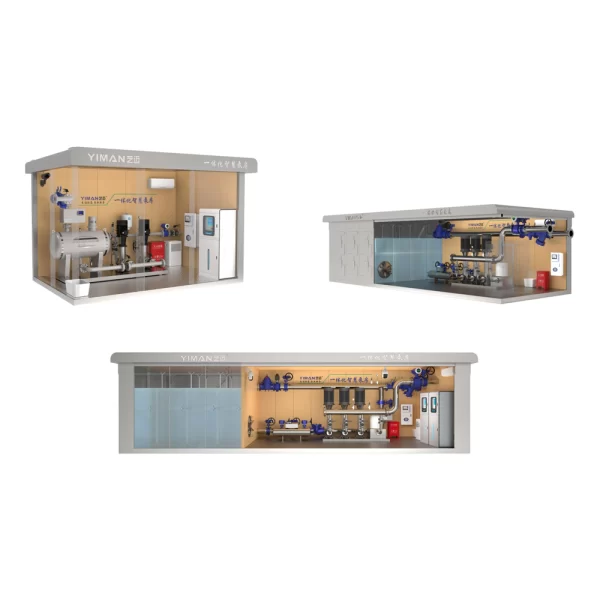
First things first, you really need to sit down and figure out what your current pump station needs. How big is it? How complex? How absolutely critical are its operations? Pinpoint exactly which parameters you need to monitor and what level of control is essential. And here’s a big one: think about the future. Will you be expanding? Make sure the system you choose can easily scale up without needing a complete overhaul. A modular, flexible system is like a good pair of jeans – it adapts to your evolving needs. Our Prefabricated Pump Station solutions, for example, are designed with this scalability in mind, making it easy to integrate advanced monitoring features down the line.
2. Evaluating integration capabilities with existing infrastructure
This is paramount: your new smart monitoring system must play nice with your existing setup. It needs to communicate seamlessly with your current pumps, motors, and control systems. So, dig into compatibility – hardware, software, communication protocols. A system that integrates easily means less disruption during installation and lower implementation costs. Always look for solutions that support open standards; it gives you more flexibility and future-proofs your investment. Our products, like the VFD Controlled Booster Water Supply System, are specifically designed for broad compatibility, so you won’t be tearing your hair out.
3. Partnering with experienced providers for seamless implementation and support
Honestly, this step can make or break your entire project. Partnering with an experienced provider isn’t just about buying a product; it’s about gaining expertise. A reputable provider will guide you through system design, installation, configuration, and ongoing maintenance. They should offer comprehensive training for your staff – because what good is fancy tech if no one knows how to use it? – and provide reliable technical support when you need it most. Look for companies with a proven track record in smart monitoring solutions for pump stations. Their experience ensures a smooth transition and helps you squeeze every last drop of benefit from your investment.
Contact Us
Look, optimizing your pump station’s efficiency and reliability isn’t just a good idea; it’s a strategic investment that pays dividends. We’re here to offer comprehensive smart monitoring solutions, custom-tailored to exactly what you need. Don’t hesitate to reach out to us today. Let’s chat about how our expertise and innovative products can genuinely transform your operations.
Email: tony@yimaipump.com
Phone/WhatsApp: +86 134 8229 5009
FAQs
1. What is a smart monitoring system for pump stations?
Essentially, a smart monitoring system for pump stations is a clever setup that uses sensors, IoT devices, and data analysis to gather real-time operational data. It allows you to keep an eye on things remotely, predict when maintenance is needed, and even automate control. The whole point is to make pump station operations more efficient, less costly, and much more reliable.
2. How do smart monitoring systems improve pump station efficiency?
They boost efficiency in a few key ways. By giving you real-time insights into how your pumps are performing, they allow for optimized energy consumption – often through variable speed control – and facilitate predictive maintenance, which means less downtime. This ensures your pumps are always running at their peak, cutting down on wasted energy and operational expenses.
3. What are the main components of a smart monitoring system?
You’re looking at a few core pieces: advanced sensors (for things like pressure, flow, temperature, and vibration), IoT devices to transmit all that data, SCADA systems for visualizing and controlling everything, and cloud-based platforms for storing and analyzing the data. They all work together to give you a complete picture and comprehensive control.
4. Can smart monitoring systems be integrated with existing pump station infrastructure?
Absolutely, that’s often a key design consideration. Most smart monitoring systems are built to integrate with what you already have. They use flexible communication protocols and adaptable sensor technologies to connect with various types of pumps, motors, and control systems already in place. This means you usually don’t need to rip everything out and start from scratch.
5. What is the typical ROI for investing in smart monitoring systems for pump stations?
The return on investment for smart monitoring systems usually comes from significant savings in energy consumption, reduced maintenance costs, and drastically less unplanned downtime. These savings often lead to a payback period of just 1-3 years, though it can vary a bit depending on the size and complexity of the pump station.