
Explosion Proof Versus Standard Motors A Technical Comparison
Picking the right motor for an industrial setup isn’t just about power output. It’s about matching equipment to real-world conditions, and that calculation changes dramatically when flammable materials enter the picture. The gap between explosion proof and standard motors runs deeper than most specification sheets suggest. What follows breaks down the actual engineering differences, certification requirements, and practical trade-offs that shape these decisions.
How Motors Function Across Different Operating Conditions
Industrial motors do one fundamental job: turn electrical energy into mechanical rotation. But the environment surrounding that conversion process determines everything about how a motor should be built.
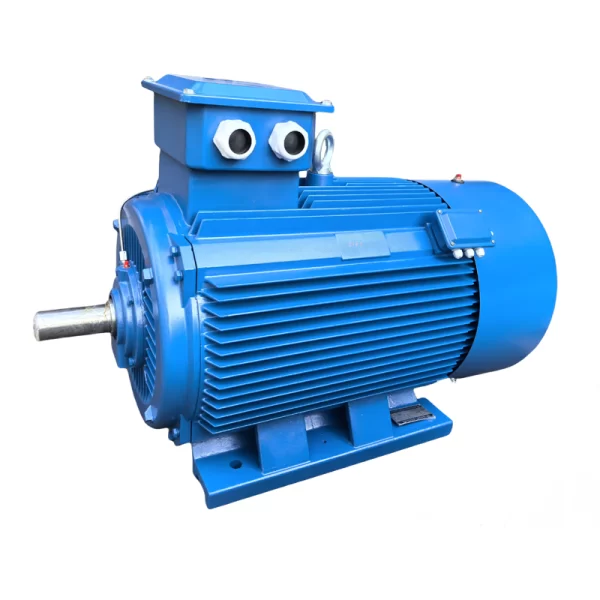
Standard motors handle the bulk of industrial work. The IE3 Three Phase Electric Motor and IE4 Three Phase Electric Motor power water pumps, HVAC systems, and manufacturing equipment in facilities where the air stays clean and stable. These units prioritize efficiency and reliability without carrying extra weight from specialized safety features.
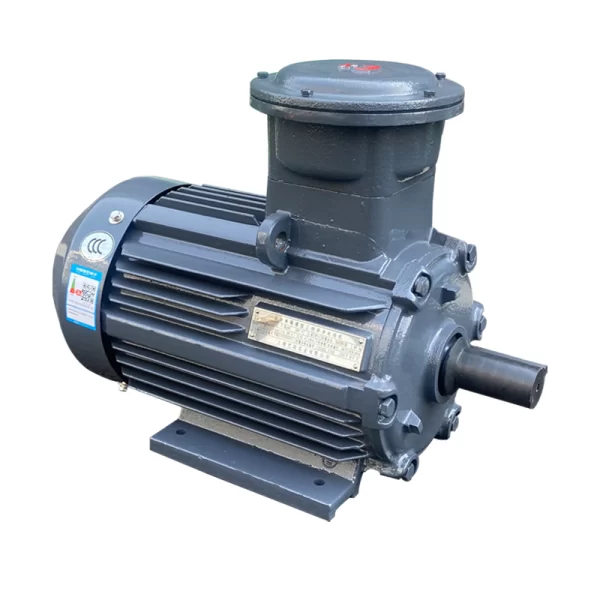
Explosion proof motors exist for a different reality. Petrochemical plants, mining operations, pharmaceutical facilities, and grain processing centers all deal with atmospheres that can ignite. Flammable gases, combustible dust, volatile vapors. The YBX3 Explosion Proof Three Phase Electric Motor and YBX4 Explosion Proof Three Phase Electric Motor are engineered specifically to operate in these conditions without becoming ignition sources themselves. The design philosophy shifts from “perform efficiently” to “perform efficiently while containing any internal spark or heat that could trigger a disaster outside the motor housing.”
What Actually Makes Explosion Proof Construction Different
The engineering gap between these motor types isn’t subtle. Explosion proof motors are built around a containment principle that standard motors simply don’t address.
Standard motors typically use open drip-proof or totally enclosed fan-cooled enclosures. These work fine when the surrounding air won’t explode. They’re not designed to handle internal combustion events or prevent flame propagation.
Explosion proof motors take a fundamentally different approach. Their enclosures are built to contain any internal explosion completely. If something ignites inside the motor, the housing absorbs that pressure and prevents flames or hot gases from reaching the external atmosphere. This flameproof construction uses specialized alloys that resist corrosion and handle extreme stress. The YBX3 Explosion Proof Three Phase Electric Motor and YBX4 Explosion Proof Three Phase Electric Motor demonstrate this approach across their entire design.
Surface temperature control adds another layer of protection. Every external surface stays below the auto-ignition temperature of whatever flammable substance might be present. This isn’t a single design choice but a system-wide constraint that affects materials, cooling, and operational limits.
How Hazardous Area Classifications Drive Motor Specifications
The classification system for hazardous areas directly determines what motor you can legally and safely install. ATEX zones in Europe and NEC codes in North America categorize environments by what’s present, how concentrated it is, and how often those conditions occur.
A Class I, Division 1 location means flammable gases or vapors exist during normal operations. Motors going into these spaces must meet intrinsic safety requirements that standard equipment can’t satisfy. The classification doesn’t just suggest a motor type. It mandates specific design features, material choices, and testing protocols.
Standard motors skip this entire framework because they’re destined for environments where these hazards don’t exist.
Certification Requirements and What They Actually Mean
Regulatory compliance for explosion proof motors involves multiple overlapping frameworks depending on where the equipment operates.
ATEX certification covers the European Union. IECEx standards provide an international baseline. NEMA ratings address North American requirements. These motor safety regulations specify how motors must be designed, tested, and labeled before they can enter hazardous service.
The YBX3 Explosion Proof Three Phase Electric Motor and YBX4 Explosion Proof Three Phase Electric Motor are built to satisfy these requirements. Standard motors face their own safety regulations, but the certification burden is lighter because the stakes are different.
Meeting these standards isn’t optional. Beyond legal compliance, proper certification is the foundation for preventing incidents that could destroy facilities and harm people.
For more detail on how these safety features work in practice, see our coverage of YBX3 Explosion Proof Motor Safe and Efficient Power for Hazardous Environments.
Performance Trade-offs Between Motor Types
The safety features built into explosion proof motors affect their performance profile in measurable ways.
Sealed, pressure-resistant enclosures limit cooling efficiency. This typically results in slightly lower overall efficiency compared to standard motors with better airflow. Temperature ratings are tightly controlled since surface heat is a safety variable, not just a performance concern. Torque characteristics remain broadly similar between types, though explosion proof motors carry additional structural mass to handle internal pressure events.
| Feature | Explosion Proof Motor | Standard Motor |
|---|---|---|
| Enclosure | Heavy-duty, flameproof, pressure-resistant | Open Drip-Proof (ODP) or Totally Enclosed (TEFC) |
| Safety | Prevents external ignition of hazardous atmospheres | No specific hazardous area protection |
| Certification | ATEX, IECEx, NEMA (Hazardous Locations) | NEMA, IEC (General Purpose) |
| Cost | Higher initial cost | Lower initial cost |
| Maintenance | Specialized, strict adherence to safety protocols | Standard industrial maintenance |
| Applications | Oil & Gas, Chemical, Mining, Pharmaceutical | HVAC, Water Treatment, General Manufacturing |
Application fit matters more than raw specifications. Explosion proof motors belong in chemical plants, refineries, mines, and pharmaceutical operations where ignition risk is real. Standard motors handle HVAC, water treatment, and general manufacturing where those risks don’t apply. Our product range spans both categories, including the YBX4 Explosion Proof Three Phase Electric Motor and IE4 Three Phase Electric Motor, addressing application specific motors across industries.
Installation, Maintenance, and Total Cost Reality
Installing explosion proof motors requires certified electricians who understand the specific wiring and conduit practices that preserve the motor’s protective integrity. Cutting corners here defeats the entire purpose of the equipment.
Maintenance protocols are more demanding than standard motor care. Regular inspection of seals and enclosures, continuous temperature monitoring, and strict documentation all factor into keeping these motors compliant and safe. These procedures happen more frequently and cost more than basic industrial motor maintenance.
The purchase price gap is real. Explosion proof motors cost more upfront because of their materials, construction complexity, and certification requirements. But in hazardous environments, that premium buys reduced catastrophic risk. Lifecycle cost analysis needs to account for specialized maintenance schedules and the potential downtime costs if safety protocols slip.
Standard motors offer lower initial investment and simpler maintenance routines. For non-hazardous applications, this translates to lower total cost of ownership. Both motor types last longer when installation and maintenance follow manufacturer guidelines.
Partner with Shanghai Yimai Industrial for Superior Motor Solutions
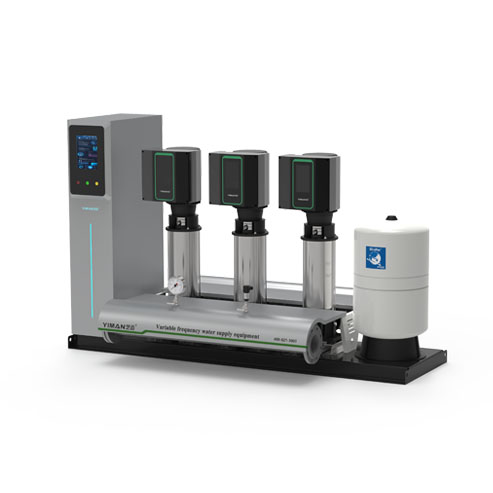
Ensure the safety, efficiency, and compliance of your industrial operations with high-quality electrical motors from Shanghai Yimai Industrial Co., Ltd. Whether you require robust explosion-proof motors for hazardous environments or reliable standard motors for general applications, our expertise in advanced motor technology, water pumps, and integrated systems guarantees optimal performance. Contact us today to discuss your specific project needs and leverage our professional manufacturing capabilities. Email: overseas1@yimaipump.com | Phone/WhatsApp: +86 13482295009
Frequently Asked Questions About Industrial Motors
What are the key differences between explosion proof and standard motors?
Explosion proof motors use heavy enclosures and internal components designed to contain ignition events and prevent external atmosphere ignition. Standard motors prioritize efficiency and cost for environments without flammable hazards. The construction philosophy and safety certification requirements separate these categories completely. The YBX4 Explosion Proof Three Phase Electric Motor and IE3 Three Phase Electric Motor represent these distinct design approaches.
When is an explosion proof motor absolutely necessary for industrial operations?
Any environment classified as a hazardous location requires explosion proof motors. This includes spaces where flammable gases, vapors, combustible dusts, or ignitable fibers reach concentrations that could explode or ignite. Oil and gas, chemical processing, mining, pharmaceuticals, and grain handling all fall into this category. Regulatory frameworks like ATEX and NEC don’t leave room for interpretation. The YBX3 Explosion Proof Three Phase Electric Motor addresses these requirements directly.
How do regulatory compliance and certification impact motor selection?
Certification requirements for explosion proof motors are strict and specific to each hazardous area classification. ATEX, IECEx, and NEMA standards define what design features, testing protocols, and labeling a motor must have before it can operate in classified spaces. Choosing a motor that matches your environment’s classification isn’t just about avoiding fines. It’s about preventing accidents that could destroy equipment and harm workers. All our explosion proof motors meet these standards.