
Fixing Electric Motor Startup Problems A Technical Deep Dive
Electric motor startup failures hit hard. One moment everything looks fine, the next your production line sits idle while you’re scrambling to figure out why a motor that ran perfectly yesterday refuses to turn over. The financial sting is real, but so is the frustration of tracking down problems that can hide in a dozen different places. What follows is a working framework for diagnosing these issues and, more importantly, keeping them from happening in the first place.
The Physics Behind Motor Startup
When an electric motor initiates rotation, it enters a brief but intense period of electrical and mechanical stress. The inrush current during this phase can reach several times the motor’s full-load rating. This surge is normal, expected even, but it places demands on both the motor and the electrical infrastructure feeding it.
The motor must generate enough torque to overcome static friction and accelerate whatever load it’s connected to. This torque requirement doesn’t stay constant. It varies throughout the acceleration phase, and the motor’s output must exceed the load’s demands at every point along that curve. Meanwhile, the electrical system has its own challenge: maintaining voltage stability while the motor draws that heavy startup current. A significant voltage drop during this window can stall acceleration or, worse, damage equipment.
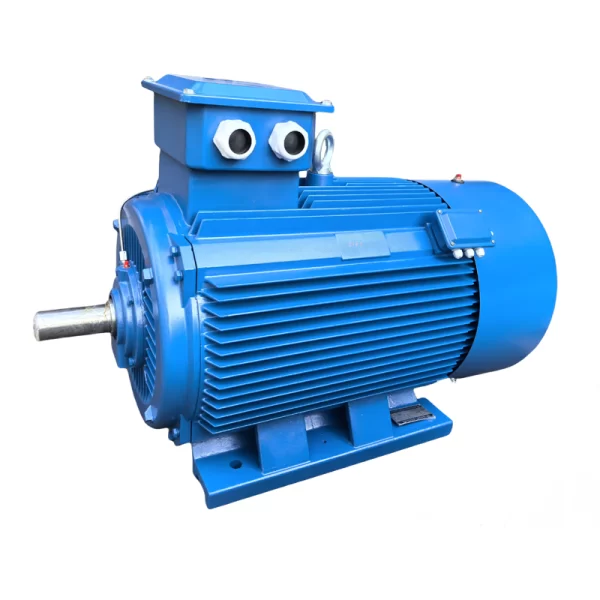
Electrical Faults That Stop Motors Cold
Electrical problems account for a large share of startup failures. The range runs from obvious wiring mistakes to subtle control circuit issues that take real detective work to uncover. Getting to the root cause quickly matters. Every hour spent chasing the wrong lead is an hour of lost production.
Winding Problems: Opens and Shorts
An open circuit in a motor winding means current has nowhere to go. A short circuit means it takes an unintended path, generating excessive heat and drawing dangerous current levels. Both conditions prevent normal operation.
A multimeter provides the first line of investigation. Check continuity and resistance across each winding phase. The readings should be consistent. A megohmmeter takes the diagnosis deeper, measuring insulation resistance between windings and between windings and the motor frame. Low readings point toward insulation breakdown, the precursor to a short circuit that may not have fully developed yet.
Control Circuit and Protection Device Failures
The components designed to protect motors and ensure safe operation can themselves become failure points. Contactors, relays, overloads, fuses: each one represents a potential break in the chain.
Work through them systematically. Contactors need to close fully and make solid contact. Relays should actuate when commanded. Overloads require proper sizing and calibration for the specific motor they protect. Fuses demand a simple continuity check. A blown fuse is an easy fix, but it’s also a symptom. Something caused it to blow, and that something needs identification.
Mechanical Barriers to Rotation
Not every startup failure traces back to electrical causes. Mechanical problems can lock up a motor just as effectively, and a comprehensive diagnostic approach examines both systems.
| Fault Type | Symptoms | Common Causes |
|---|---|---|
| Electrical | No start, humming, tripping breaker | Wiring errors, control circuit faults |
| Mechanical | Seized shaft, excessive vibration | Bearing failure, misalignment, binding |
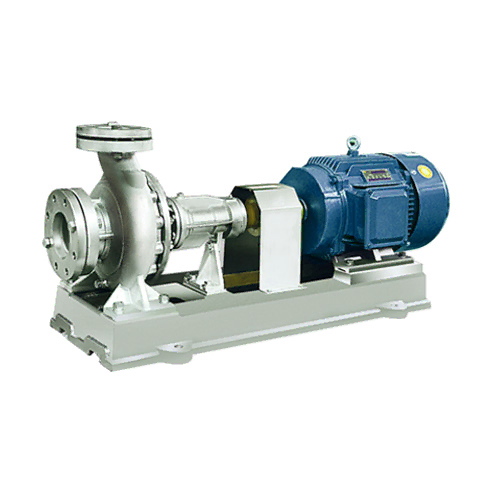
Bearing failures create friction that the motor simply cannot overcome. Shaft misalignment between motor and driven equipment introduces stress that builds until something gives. The driven equipment itself can be the culprit. A jammed pump impeller, a clogged pipe, debris in a conveyor: any of these can present a load the motor cannot move from a standstill.
Resolving mechanical binding usually means getting hands on the equipment. Disassembly, inspection, measurement. There’s no shortcut when bearings need replacement or alignment needs correction.
Environmental and Operational Realities
Motors exist in the real world, not in laboratory conditions. The environment they operate in and the way they’re operated both affect startup reliability.
Temperature extremes work against motor longevity. Heat accelerates insulation degradation. Cold can thicken lubricants and increase starting torque requirements. High humidity introduces moisture that can compromise electrical insulation. Dust, chemicals, and other contaminants attack bearings and interfere with electrical connections.
Operational practices matter too. Frequent starts subject motors to repeated thermal cycling from those high inrush currents. Inadequate ventilation traps heat. Ignoring manufacturer guidelines on starting intervals or duty cycles invites premature failure. The motor doesn’t care about production schedules. It responds to physics.
Diagnostic Methods for Difficult Cases
Some problems don’t reveal themselves through basic testing. When standard troubleshooting comes up empty, specialized diagnostic techniques can expose what’s hiding.
| Diagnostic Tool | Application | Benefits |
|---|---|---|
| Vibration Analysis | Detects bearing wear, misalignment | Early fault detection, predictive maintenance |
| Thermography | Identifies overheating components | Non-invasive, visualizes thermal patterns |
| MCSA | Analyzes current signatures for faults | Detects electrical/mechanical issues |
| Insulation Tester | Measures winding insulation resistance | Identifies insulation breakdown |
| Multimeter | Checks voltage, current, resistance | Basic electrical troubleshooting |
Vibration analysis picks up changes in operational patterns that indicate developing problems. A bearing that will fail in two weeks often shows characteristic vibration signatures today. Thermography captures thermal patterns that reveal overheating components, whether from electrical faults or excessive mechanical friction. Motor current signature analysis examines the current waveform for anomalies that correlate with specific fault conditions, all without opening up the motor.
These tools shift maintenance from reactive to predictive. Catching a problem before it causes a startup failure is always cheaper than dealing with unplanned downtime.
Prevention Over Repair
A motor that starts reliably is a motor that’s been maintained properly. The investment in preventive maintenance pays returns in uptime and extended equipment life.
Regular inspections catch problems early. Visual checks for wear, damage, contamination. Verification that connections remain tight. Confirmation that cooling passages stay clear. Bearing lubrication demands attention to both type and quantity. The wrong lubricant or the wrong amount causes problems just as surely as no lubricant at all.
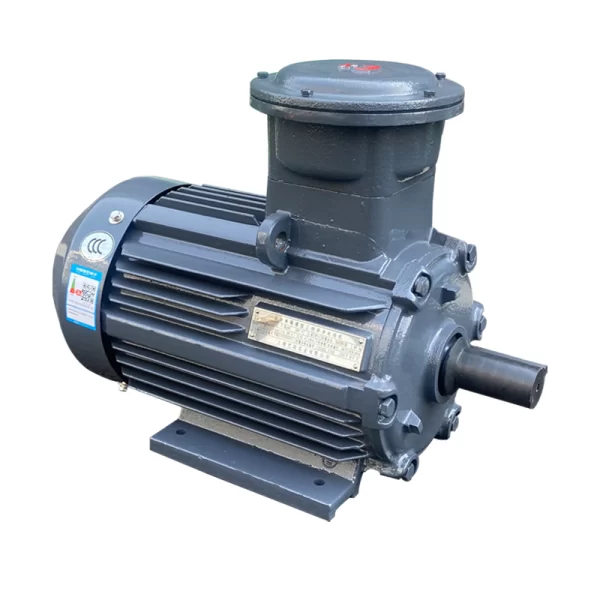
Motor sizing deserves careful consideration during system design. An undersized motor runs constantly stressed. An oversized motor operates inefficiently and may not develop proper torque characteristics for the load. Either situation shortens service life.
Protective devices need periodic verification. Overloads should trip at their rated thresholds, not above or below. Circuit breakers require testing. These devices exist to prevent damage, but only if they function correctly when called upon.
For more information on ensuring the longevity and efficiency of your industrial equipment, consider reading our article on 《Optimizing Three Phase Asynchronous Motor Reliability in Pump Systems A Technical Guide》.
Frequently Asked Questions About Electric Motor Startup
What are common causes of electric motor startup failure?
Electric motor startup failure often stems from electrical issues like open or short circuits in windings, control circuit malfunctions such as faulty contactors or overloads, power supply irregularities, or mechanical problems such as seized bearings, shaft misalignment, or binding in the driven equipment. Environmental factors like extreme temperatures or contamination can also play a role.
How do I diagnose an electric motor that won’t start?
Diagnosing an electric motor that won’t start involves a systematic approach. Begin by checking the power supply and control circuit for voltage and continuity. Inspect the motor’s wiring for damage or loose connections. Perform insulation resistance tests on windings to detect shorts or grounds. Mechanically, check for free rotation of the shaft and any signs of binding in the motor or driven load. Advanced tools like thermography or vibration analysis can pinpoint less obvious issues.
What preventive measures can reduce motor startup problems?
Reducing electric motor startup problems requires a robust preventive maintenance program. This includes regular inspections, proper lubrication of bearings, ensuring correct motor sizing for the application, and calibrating protective devices like overloads. Implementing motor protection systems, maintaining a clean operating environment, and addressing shaft alignment proactively are steps that support reliable motor startup and extend operational life.
Optimize Your Industrial Operations with Shanghai Yimai
Ensure uninterrupted operations with reliable electric motor solutions. Shanghai Yimai Industrial Co., Ltd. offers expert consultation, high-quality electrical motors, and comprehensive water pump systems designed for peak performance and longevity. Contact us today to optimize your industrial infrastructure and prevent costly downtime. Email: overseas1@yimaipump.com | Phone/WhatsApp: +86 13482295009