How Lifting Systems Efficiently Manage Grease and Solids
Keeping wastewater systems running smoothly when the flow is heavy with fats, oils, grease (FOG), and stubborn solids is a reality I run into often—and it can get messy fast. When these loads build up, they don’t just slow pumps; they trigger callouts, fines, and downtime. That’s exactly why we build lifting systems around real-world conditions: grinders and macerators up front, separators where needed, smart controls watching the whole process, and pumps designed for abrasive, viscous media. The goal is simple and non-negotiable—reliable, compliant, continuous operation—without the 3 a.m. surprises many of us have lived through on site.
Understanding the Challenges of Grease and Solids in Wastewater
Wastewater in industrial and commercial environments is rarely “clean.” It’s a variable mix—FOG, rags, plastics, food waste, and debris—so managing it effectively is essential for uptime and compliance.
1. The detrimental impact of FOG (Fats, Oils, and Grease)
FOG from restaurants, food processors, and industrial lines turns from fluid to solid as it cools, sticking to pipe walls and pump components. Layer by layer, it narrows passages and can choke lines completely, causing backups, odors, and costly jetting or manual cleanouts. It’s also rough on equipment: pump seals and impellers wear prematurely under FOG-related stress, driving maintenance frequency and expense.
2. Common problems caused by solid waste in lifting systems
Solids—rags, wipes, plastics, food scraps, and debris—tend to accumulate in wet wells, forming dense mats that restrict inlets and steal effective storage volume. Inside the pump, they can wrap impellers and trigger cavitation, vibration, and mechanical stress across the shaft and motor. The result is familiar: lower efficiency, higher energy draw, and unplanned outages.
3. Why conventional pumping systems struggle with challenging waste streams
Pumps built for relatively clean water simply aren’t equipped for high FOG and solid loads. Tight clearances and standard impeller geometries clog easily, while motors struggle with viscous or solids-laden media. In harsh wastewater duty, that mismatch means frequent interventions, rising operating costs, and inconsistent performance.
Advanced Technologies for Grease and Solids Handling in Lifting Systems
Modern lifting systems solve these pain points with purpose-built technologies that keep flow moving and maintenance predictable.
1. Integrated grinding and macerating solutions for solids reduction
Macerators and grinders break down troublesome solids before they ever reach the pump. Macerators use rotating blades to shred, while grinders employ more aggressive cutting actions—either can be matched to the waste profile and throughput. This pre-treatment prevents clogs and shields downstream equipment from damage. For particularly heavy solid loads, a Double Shaft Shredder Machine can be integrated upstream.
2. Specialized pump designs for abrasive and viscous media
Purpose-built wastewater pumps use wear-resistant materials, larger clearances, and impellers designed to pass solids. Vortex impellers generate a swirl that keeps solids off the vanes, while recessed impellers create a clear path for larger particles—both minimizing entanglement and wear. We often utilize these specialized designs in our Sewage Water Elevating System to ensure reliable performance.
3. Effective oil-water separation techniques within lifting stations
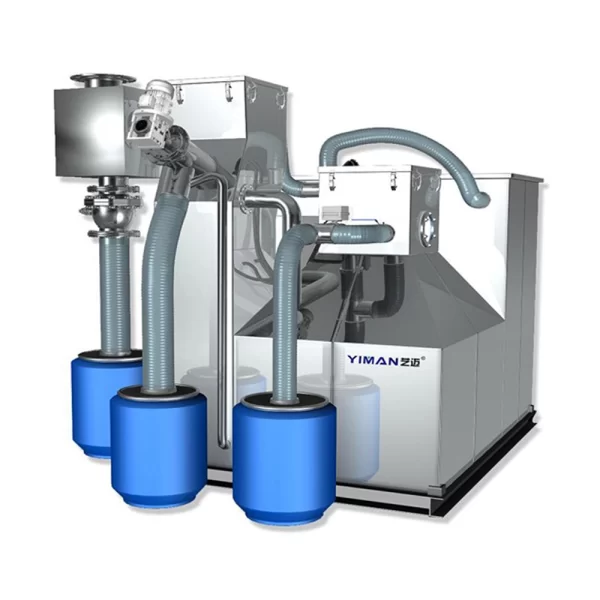
Managing FOG starts with separation. Gravity-based compartments and coalescing plate separators exploit oil–water density differences to keep oils out of the pump stream. Integrating these methods within the lifting station limits buildup in piping and protects downstream treatment assets. For comprehensive FOG management, consider the benefits of an Oil Water Separator System Efficient and Eco Friendly Compliance for Industrial Wastewater
4. Smart control systems for optimized waste management
Intelligent controls tie the system together. Level, flow, and performance sensors spot early signs of trouble—like rising current draw or vibration—and trigger alarms or corrective actions. With IoT- and AI-driven predictive analytics, maintenance can be scheduled before failures occur. Remote visibility and control further reduce site visits and stabilize performance. For more information on intelligent control, refer to our article on VFD Controlled Booster System Powering Smarter Water Pressure with Efficiency and Precision.
Shanghai Yimai Industrial Co., Ltd.’s Solutions for Challenging Wastewater
We design and deliver systems that take grease and solids in stride—robust hardware, smart controls, and proven separation—so operations stay compliant and on schedule.
1. The Sewage Water Elevating System: A robust approach to sewage transport
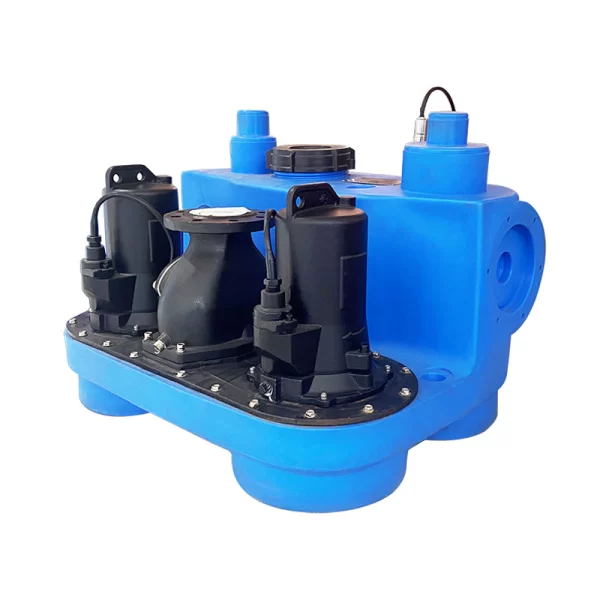
Our Sewage Water Elevating System provides dependable lift where gravity drainage isn’t feasible. Engineered with high-performance pumps and durable components, it handles wastewater with significant suspended solids and FOG. It’s a strong fit for basements, underground spaces, and remote sites that depend on reliable transport. The design prioritizes minimal maintenance and long service life.
For more details on optimizing these systems, review our insights in Optimizing Sewage Water Elevating Systems for Modern Infrastructure.
| Model | Max Flow Rate | Max Head | Application Fields |
|---|---|---|---|
| YMWM | 130 m³/h | 60 m | Subway stations, underground shopping malls, parking lots |
| YMWP | 130 m³/h | 60 m | Subway stations, underground shopping malls, parking lots |
| YMWB | 130 m³/h | 60 m | Subway stations, underground shopping malls, parking lots |
2. Oil-Water Separator System: Ensuring efficient grease removal
The Oil Water Separator Sewage Elevator System is built for FOG-heavy applications—think catering, food processing, malls, hotels, and hospitals. By separating oils and grease before they enter the drainage network, it prevents accumulation, protects downstream processes, and reduces environmental impact. High-efficiency internals and easy maintenance support continuous operation.
| Model | Treatment Capacity | Max Head | Max Heating Temperature | Application Fields |
|---|---|---|---|---|
| YMGY | 10-50 m³/h | 30 m | 60 °C | Catering, shopping malls, hotels, hospitals, food processing |
3. Double Shaft Shredder: Pre-treatment for heavy solid loads
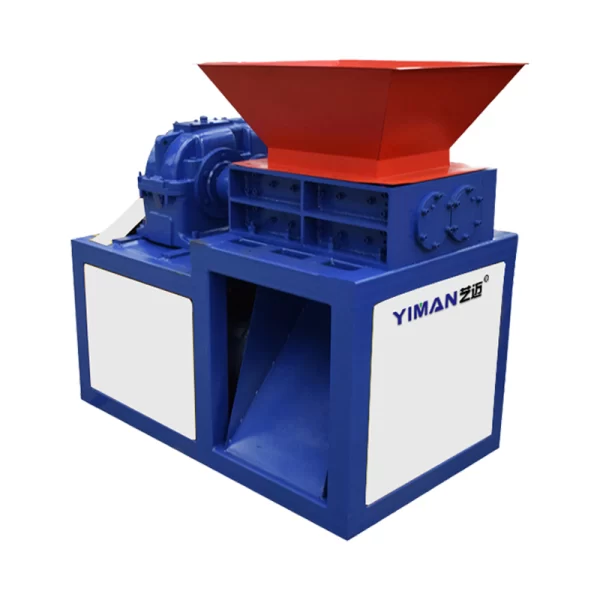
For streams with tough solids, our Double Shaft Shredder Machine delivers reliable size reduction. It processes construction debris, industrial waste, and municipal refuse into 6-10 mm particles, protecting pumps and other system components from clogging. The dual-shaft design provides the torque and durability needed for challenging feedstocks.
4. Benefits of Yimai’s integrated solutions for grease and solids
Integrated correctly, these components reduce blockages, protect equipment, and stabilize operating costs through lower energy use and fewer interventions. They also support compliance by separating and treating waste streams effectively, while reducing manual exposure to hazardous materials. We tailor solutions to the specific demands of industrial and municipal sites.
Best Practices for Maintaining and Operating Lifting Systems
Good equipment needs good care. Consistent maintenance, monitoring, and proper sizing keep systems handling grease and solids working at their best.
1. Regular inspection and preventive maintenance schedules
Set a strict schedule for inspections and preventive tasks. Check impellers for wear and entanglement, inspect pipework for FOG buildup, and confirm grinders/macerators are operating within spec. Replace worn parts early and clean proactively to stop small issues from snowballing. Keep detailed records to track trends and plan ahead.
2. Monitoring and automation for early detection of issues
Leverage sensors to track vibration, current draw, and fluid levels continuously. Automated alerts flag deviations before they become failures, enabling timely intervention. This predictive approach cuts surprise outages and keeps flow uninterrupted.
3. Proper installation and system sizing considerations
Size the system for actual flows and waste characteristics. Undersized or mismatched components cause short cycling, efficiency losses, and premature wear. Follow manufacturer specifications and local regulations for pumps, grinders, and separators during installation to maximize performance and life.
4. Environmental compliance and regulatory adherence
Stay aligned with discharge permits and environmental standards: monitor effluent quality, dispose of separated FOG and solids properly, and maintain thorough records. Non-compliance brings fines and reputational risk. Our systems are engineered to help you meet these requirements consistently.
The Future of Wastewater Lifting Systems: Innovations and Sustainability
The sector is moving toward smarter separation, lower energy use, and higher resilience—and the pace is accelerating.
1. Emerging technologies for enhanced waste separation
Expect gains from advanced membranes, electrocoagulation, and targeted biological treatments for FOG and fine solids. With better sensors, operators will see real-time waste profiles and adjust separation dynamically, improving effluent quality and enabling resource recovery.
2. Energy efficiency and sustainable operation of lifting systems
Efficiency will come from high-performance drives and motors—such as IE4 Three Phase Electric Motor paired with VFDs—plus smarter operating setpoints. More sites will tap renewables for station power. Circular practices, including waste minimization and recovery opportunities, will become standard.
3. The role of IoT and AI in predictive maintenance
IoT devices will capture granular operating data, and AI will turn it into early warnings and optimized setpoints. That means fewer breakdowns, longer component life, and better energy performance. We see these tools materially improving reliability and total cost of ownership across our installed base.
Partner with Shanghai Yimai Industrial Co., Ltd.
Controlling grease and solids isn’t optional—it’s central to protecting uptime and meeting environmental responsibilities. Shanghai Yimai Industrial Co., Ltd. delivers proven, tailored solutions that keep lifting systems moving, cut maintenance, and safeguard compliance. Reach out and let’s align the right technologies with your wastewater challenges.
Email: tony@yimaipump.com
Phone/WhatsApp: +86 134 8229 5009
About the Author
I’m an After-Sales Engineer at Shanghai Yimai Industrial Co., Ltd., focused on the nuts and bolts of pumping and wastewater treatment systems. Day to day, I help clients troubleshoot real operating constraints and implement practical fixes—especially for difficult streams loaded with grease and solids—so their plants run smoothly and safely.
FAQs
1. What are the most common causes of blockages in sewage lifting systems?
FOG accumulation and non-biodegradable solids—rags, wipes, and plastics—are the primary culprits. FOG congeals and narrows passages, while fibrous materials entangle and jam impellers. Inadequate pre-treatment and pumps not sized or designed for the waste characteristics compound the problem.
2. How often should a sewage lifting system be inspected for grease and solids buildup?
Inspection cadence depends on load and usage. In high-FOG or high-solids environments, monthly to quarterly checks are prudent; less demanding sites can stretch to semi-annual or annual. Pair routine visual checks with performance monitoring to fine-tune the schedule and avoid costly buildup.
3. Can existing lifting systems be upgraded to better handle grease and solids?
Yes. Common upgrades include adding grinders or macerators upstream, swapping to non-clog or vortex/recessed impeller pumps, and integrating oil-water separators. Smart controls with monitoring and predictive maintenance further improve reliability and cut downtime.
4. What role does pump selection play in managing challenging wastewater?
It’s critical. Pumps with larger clearances, robust impellers (vortex or recessed), and wear-resistant materials handle viscous, solids-laden flows without frequent clogs or premature wear. Proper sizing also prevents cavitation, improves efficiency, and reduces energy consumption.
5. What are the environmental benefits of effectively separating oil and water in wastewater?
Efficient separation keeps harmful pollutants out of receiving waters and eases the load on treatment plants, improving overall process efficiency. In some cases, recovered oils and grease can be repurposed, contributing to circular resource use.