How Modern Sewage Pumps Effectively Prevent Clogging
We understand the critical need for reliable wastewater management in industrial and municipal settings. Clogging in sewage pumps presents significant challenges, leading to costly downtime and operational inefficiencies. Our expertise in pump technology allows us to explore how modern innovations in sewage pump design and functionality actively combat these issues, ensuring uninterrupted and efficient fluid transport.
Understanding the Core Problem of Sewage Pump Clogging
Sewage systems are complex networks designed to transport wastewater containing various solids and debris. Traditional pump designs often struggle with this heterogeneous mixture, leading to frequent blockages and operational failures. We have observed these challenges firsthand across numerous industrial applications.
1. The operational challenges posed by traditional pump designs
Traditional sewage pumps, particularly those with conventional impeller designs, are highly susceptible to clogging. Their impellers often feature narrow passages and sharp leading edges, which easily snag fibrous materials like rags, wipes, and plastics. This accumulation of debris reduces pumping efficiency, increases energy consumption, and can lead to complete pump failure. Furthermore, the frequent need for manual unclogging operations poses safety risks to maintenance personnel and incurs substantial labor costs. These issues directly impact the overall reliability and economic viability of wastewater infrastructure.
2. Identifying common causes of clogging in sewage systems
Clogging in sewage systems arises from a combination of factors. The primary culprits are non-biodegradable materials such as wet wipes, textiles, and personal hygiene products that enter the wastewater stream. Grease and fat accumulation also contribute significantly, forming sticky masses that trap other solids. Additionally, large foreign objects, root intrusion, and even sediment buildup can impede flow and cause blockages. We recognize that effective clog prevention requires addressing these diverse sources through both pump design and system management.
Advanced Technologies in Modern Sewage Pumps for Clog Prevention
Modern sewage pumps incorporate a range of advanced technologies specifically engineered to overcome clogging challenges. These innovations enhance reliability and reduce maintenance requirements. We continuously research and implement these cutting-edge features in our products.
1. Innovative impeller designs and their role in preventing blockages
The impeller is the heart of a pump, and its design is crucial for handling solids effectively. Modern sewage pumps utilize several innovative impeller types to prevent blockages. Vortex impellers, for instance, create a powerful swirling action that minimizes contact between solids and the impeller itself, allowing debris to pass through without snagging. Channel impellers, with their wide, open passages, are designed to handle larger solids and fibrous materials. Additionally, non-clogging impellers feature smooth, optimized profiles that prevent material accumulation. These designs ensure a clear flow path, significantly reducing the likelihood of clogging.
2. Integrated cutting and grinding mechanisms for solid waste management
For particularly challenging wastewater streams, modern sewage pumps integrate robust cutting and grinding mechanisms. These systems pre-process solids before they reach the impeller, reducing them to smaller, manageable particles. Macerating pumps, for example, feature sharp blades that shred fibrous materials. Grinder pumps employ a rotating cutter assembly that pulverizes solids into a fine slurry. This pretreatment ensures that even tough materials, such as plastics and textiles, can be safely transported through the pump and piping system, virtually eliminating blockages.
3. Smart sensor technology and monitoring systems for proactive clog detection
Proactive detection is key to preventing major clogs and minimizing downtime. Modern sewage pumps are equipped with sophisticated sensor technology and monitoring systems. These systems continuously track operational parameters such as current draw, vibration levels, and temperature. Anomalies in these readings can indicate the early stages of a blockage or excessive wear. Integrated control panels and remote monitoring capabilities allow operators to receive real-time alerts and diagnose issues before they escalate into critical failures. This smart approach significantly enhances system reliability and reduces the need for reactive maintenance.
4. Self-cleaning features and automated backflushing capabilities
To further combat material buildup, many modern sewage pumps incorporate self-cleaning features and automated backflushing capabilities. These functions are designed to dislodge accumulated solids and maintain optimal hydraulic performance. Self-cleaning impellers often have special vanes or coatings that resist adhesion. Automated backflushing systems periodically reverse the flow direction or introduce high-pressure bursts of fluid to clear blockages within the pump casing and discharge lines. These automated processes reduce manual intervention and ensure continuous, efficient operation.
You might also be interested in Optimizing Your Sewage Elevating System for Peak Performance.
The Benefits of Clog-Resistant Sewage Pumps for Industrial Applications
The adoption of clog-resistant sewage pumps offers substantial advantages for industrial applications. These benefits extend beyond mere operational continuity, impacting cost, efficiency, and environmental compliance. We have seen these improvements realized in various industrial settings.
1. Enhancing operational efficiency and reducing downtime
Clogging is a primary cause of inefficiency and downtime in sewage pumping stations. Modern clog-resistant designs significantly mitigate these issues. By preventing blockages, these pumps maintain consistent flow rates and optimal performance, minimizing energy waste associated with struggling motors. Reduced downtime means uninterrupted operations, crucial for industries where continuous processes are vital. This translates directly into higher productivity and lower operational overheads.
2. Lowering maintenance costs and extending equipment lifespan
Frequent clogging necessitates costly and time-consuming maintenance, including manual clearing, part replacement, and emergency repairs. Clog-resistant pumps drastically reduce these demands. The robust materials and innovative designs withstand abrasive and corrosive wastewater, extending the lifespan of critical components. Fewer maintenance events mean lower labor costs, reduced spare parts inventory, and a longer operational life for the equipment. This provides a significant return on investment over the pump’s lifecycle.
| Feature Type | Traditional Sewage Pump | Modern Clog-Resistant Pump |
|---|---|---|
| Impeller Design | Narrow passages, prone to snagging | Vortex, channel, or non-clogging designs |
| Solid Handling | Limited, frequent blockages | Integrated cutting/grinding, passes larger solids |
| Maintenance Needs | High, frequent manual intervention | Low, reduced manual clearing |
| Operational Reliability | Moderate, susceptible to interruptions | High, consistent performance |
| Energy Efficiency | Lower due to frequent struggles | Higher due to optimized flow |
| Monitoring | Basic, reactive | Advanced sensors, proactive alerts |
3. Improving system reliability and environmental compliance
Reliable sewage management is fundamental for environmental protection and public health. Clog-resistant pumps ensure consistent wastewater transport, preventing overflows and spills that can lead to environmental contamination and regulatory penalties. Their dependable operation supports compliance with stringent environmental standards. By minimizing disruptions, these pumps contribute to a more resilient and sustainable wastewater infrastructure.
For further insights into efficient wastewater management, consider reading Selecting Municipal Wastewater Treatment Pumps.
Shanghai Yimai Industrial Co., Ltd.’s Solutions for Clog-Free Sewage Management
At Shanghai Yimai Industrial Co., Ltd., we are committed to providing advanced solutions that address the persistent challenge of sewage pump clogging. Our integrated systems are engineered for maximum reliability and efficiency in demanding wastewater environments. We leverage our extensive expertise to deliver superior performance.
1. Overview of Yimai’s Sewage Water Elevating Systems for optimal flow
Our Sewage Water Elevating System are designed to manage wastewater effectively, especially in locations where gravity drainage is not feasible. These systems incorporate advanced pump technologies and intelligent controls to ensure optimal flow and minimize the risk of blockages. They feature robust construction and carefully selected components that handle diverse wastewater compositions, including those with high solid content. Our elevating systems are ideal for applications such as subway stations, underground shopping malls, and parking lots, ensuring reliable wastewater transport without interruption.
2. Leveraging Double Shaft Shredders for effective solid waste pretreatment
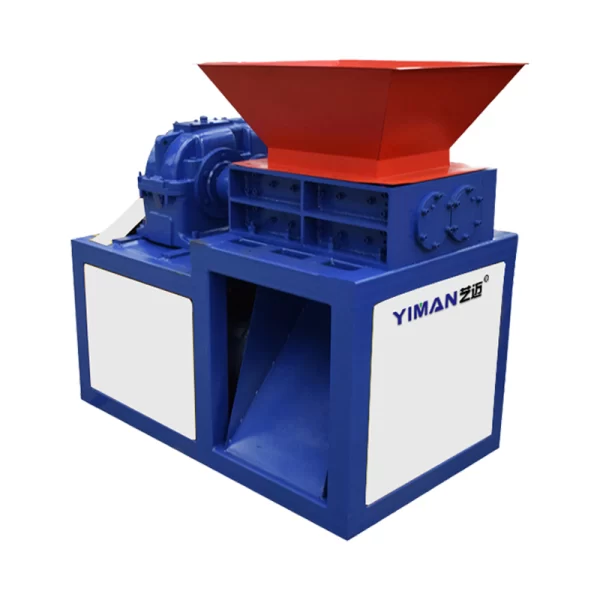
To enhance the performance of our sewage management solutions, we integrate Double Shaft Shredder into systems where large or difficult-to-manage solids are present. These powerful shredders pre-treat the wastewater by breaking down fibrous materials, plastics, and other debris into smaller, more uniform particles. This significantly reduces the load on downstream pumps and prevents clogging within the piping network. By effectively managing solid waste at the pretreatment stage, our double shaft shredders bolster the overall reliability and efficiency of the entire sewage system.
You might find valuable information in Double Shaft Shredder: Unmatched Durability for Tough Material Size Reduction.
3. How Yimai’s integrated solutions ensure reliable and efficient operation
Shanghai Yimai Industrial Co., Ltd. offers comprehensive, integrated solutions for clog-free sewage management. We combine our advanced Sewage Water Elevating Systems with powerful Double Shaft Shredders and intelligent control technologies. This synergistic approach ensures that wastewater is efficiently pre-treated, pumped, and transported without the common issues of clogging. Our systems are characterized by their robust design, energy efficiency, and minimal maintenance requirements, providing long-term reliability and cost savings for our clients. We deliver tailored solutions that meet the specific demands of various industrial and municipal applications.
Future Trends in Sewage Pump Technology and Clogging Prevention
The field of sewage pump technology continues to evolve, driven by the need for even greater efficiency, reliability, and sustainability. We anticipate several key trends that will shape future developments in clog prevention.
1. The role of AI and machine learning in predictive maintenance
Artificial intelligence (AI) and machine learning (ML) are poised to revolutionize predictive maintenance in sewage pumping systems. By analyzing vast amounts of operational data—such as flow rates, pressure, motor current, and vibration—AI algorithms can identify subtle patterns indicative of impending clogs or equipment failures. This allows for proactive intervention, scheduling maintenance before a problem escalates, thereby preventing unexpected downtime and extending equipment life. Predictive maintenance driven by AI will shift the industry from reactive repairs to intelligent, foresightful management.
2. Sustainable and energy-efficient pump designs for environmental impact
Future sewage pump designs will increasingly prioritize sustainability and energy efficiency. This includes the development of pumps with optimized hydraulic profiles that reduce energy consumption while maintaining high solid-handling capabilities. Innovations in motor technology, such as the use of Electric Motor with higher efficiency ratings, will also play a crucial role. Furthermore, materials science will contribute to more durable and corrosion-resistant components, reducing the environmental footprint associated with manufacturing and disposal. These advancements will support global efforts towards greener infrastructure and reduced carbon emissions.
Partner with Shanghai Yimai for Advanced Sewage Management
Ensure the reliability and efficiency of your wastewater infrastructure with Shanghai Yimai Industrial Co., Ltd.’s cutting-edge sewage management solutions. We offer a comprehensive range of products, including advanced Sewage Water Elevating Systems and robust Double Shaft Shredders, designed to effectively prevent clogging and optimize operational performance. Our expertise guarantees tailored solutions for your specific industrial and municipal needs.
Contact us today to discuss your project requirements and discover how our innovative technologies can benefit your operations.
Email: tony@yimaipump.com
Phone/WhatsApp: +86 134 8229 5009
FAQs
1. What are the primary types of modern sewage pumps designed to prevent clogging?
Modern sewage pumps designed for clog prevention primarily include vortex impeller pumps, channel impeller pumps, and grinder/macerating pumps. Vortex pumps create a swirling action to pass solids, while channel pumps feature wide passages. Grinder and macerating pumps actively cut and shred solids into smaller pieces before pumping, making them highly effective against fibrous materials.
2. How do impeller designs contribute to clog prevention in sewage pumps?
Impeller designs are critical for clog prevention. Vortex impellers minimize contact with solids, allowing them to pass freely. Channel impellers provide wide, unobstructed flow paths for larger debris. Non-clogging impellers feature smooth, optimized profiles that prevent materials from snagging and accumulating, ensuring continuous and efficient wastewater transport.
3. Can existing sewage pump systems be upgraded with anti-clogging features?
Yes, many existing sewage pump systems can be upgraded. This often involves replacing traditional impellers with modern clog-resistant designs like vortex or channel impellers. Integrating external cutting or grinding units upstream of the pump can also significantly improve solid handling. Additionally, installing smart monitoring systems can provide proactive clog detection and prevent future issues.
4. What maintenance practices are recommended to further prevent sewage pump clogging?
Regular maintenance is crucial for preventing sewage pump clogging. This includes periodic inspection and cleaning of the pump and wet well, removal of accumulated debris, and checking for wear on impellers and cutting mechanisms. Implementing a robust preventive maintenance schedule based on operational data can significantly reduce unexpected failures and extend pump life.
5. How do smart monitoring systems help in preventing sewage pump blockages?
Smart monitoring systems use sensors to track pump performance parameters such as current draw, vibration, and fluid levels. They can detect anomalies that indicate the early stages of a blockage or mechanical issue. By providing real-time alerts and diagnostic data, these systems enable operators to intervene proactively, schedule maintenance before a full clog occurs, and minimize downtime.