
How Pump Stations Drive Effective Sewer Separation
Urban development, bless its heart, always seems to be wrestling with these tricky wastewater problems. And let me tell you, the big one, the real head-scratcher, is figuring out how to properly separate our sewers. We all know those old combined sewer systems are just asking for trouble – environmental nightmares and public health risks galore. But here’s where we come in: our pump station tech offers some genuinely practical, scalable ways to tackle these crucial infrastructure demands. So, let’s chat about how these systems actually work to keep our cities cleaner and our public much, much healthier.
Understanding the Critical Need for Sewer Separation
You know, modern cities are under a huge amount of pressure to handle their wastewater properly. It’s not just a nice-to-have anymore; it’s essential. And those old combined sewer systems (CSS) – the ones that just dump stormwater and sewage into the same pipe – they’re a real headache. Especially in older towns, these things overflow constantly during a good rain, just spewing raw, untreated waste right into our rivers and lakes. Talk about a recipe for environmental disaster and public health crises!
1. The Environmental and Urban Challenges of Combined Sewer Systems
When those combined sewer overflows (CSOs) happen, it’s not just a little bit of dirty water. We’re talking pollutants, nasty pathogens, and excess nutrients all gushing into our rivers, lakes, and even coastal areas. This stuff just wreaks havoc on aquatic life, kills off biodiversity, and makes the water totally unsafe for swimming or, heaven forbid, drinking. And in the city itself? You get this ugly mess, terrible smells, and honestly, it can even drag down property values. Plus, the pipes themselves get hammered – more corrosion, more blockages, which means constant, expensive maintenance. It’s a vicious cycle.
2. Health and Economic Impacts of Inadequate Wastewater Management
Let’s be blunt: if you don’t manage wastewater properly, people get sick. Plain and simple. Being exposed to raw sewage can lead to all sorts of waterborne diseases – cholera, typhoid, giardiasis, you name it. And it’s always the kids and the most vulnerable folks who are hit the hardest. Economically, CSOs are a disaster too. Beaches close, fishing bans go up, and tourism takes a nosedive. Cities end up shelling out huge sums for emergency clean-ups, fixing busted infrastructure, and paying hefty regulatory fines. And who pays for all that in the end? Us, the taxpayers. It really underscores just how urgently we need solid, sustainable solutions.
3. The Regulatory Landscape Driving Sewer Separation Initiatives
It’s no surprise that governments all over the world are cracking down with stricter environmental rules to fight water pollution. You see it with things like the Clean Water Act in the US and the Water Framework Directive in Europe – they’re basically telling municipalities, “Hey, you need to clean up your act, treat your wastewater better, and stop those CSOs.” This forces cities to actually invest in sewer separation projects. And honestly, getting compliant often means massive infrastructure upgrades, so having efficient and affordable solutions is absolutely key.
The Role of Pump Stations in Modern Sewer Separation Strategies
Think of pump stations as the unsung heroes of modern sewer separation. They’re absolutely fundamental, making it possible to move wastewater efficiently even when gravity just isn’t cooperating. They give that crucial hydraulic push to get sewage and stormwater through their own separate pipe networks. This is how we ensure those separated systems actually work, preventing any nasty cross-contamination and keeping our environment clean.
1. Defining Pump Stations and Their Core Function in Wastewater Networks
So, what exactly is a pump station? At its heart, it’s a vital piece of any wastewater collection system. Its job is to lift wastewater from a lower spot to a higher one, so gravity can then take over and carry it off to the treatment plants. When we’re talking sewer separation, pump stations become super critical for keeping those distinct paths for sanitary sewage and stormwater. They’re the bouncers, making sure these two streams never mix, which is absolutely essential for proper separation.
2. How Pump Stations Facilitate the Creation of Separate Sewer Systems
Pump stations are brilliant at making sewer separation happen, especially in those tricky areas with challenging terrain or where existing infrastructure is already a mess. They give engineers the flexibility to design separate lines for sanitary waste and stormwater, even when hills and valleys or existing utility lines make gravity-fed systems a nightmare. This means sewage goes straight to the treatment plants, while stormwater gets directed to where it’s supposed to go – maybe a discharge point or a retention facility. And the clever part? Strategically placing these pump stations means less digging and less disruption to the city.
3. Key Components and Operational Principles of Sewer Separation Pump Stations
A typical sewer separation pump station usually includes a wet well (that’s where the wastewater collects), the pumps themselves, the motors that power them, the control systems, and a force main (the pipe that carries the pumped water). The wet well fills up, the pumps kick in and lift the wastewater into the force main. The motors, often with fancy variable frequency drives for energy saving, power those pumps. And the control systems? They’re constantly watching the water levels, turning pumps on and off, making sure everything runs smoothly. All these parts work together, like a well-oiled machine, to reliably move those separated flows.
Types of Pump Stations for Optimized Sewer Separation
Choosing the right kind of pump station is a huge deal for any successful sewer separation project. You’ve got to think about the site, how much water needs to move, and how easy it will be to maintain. Here at Shanghai Yimai Industrial Co., Ltd., we’ve got some pretty advanced solutions that fit all sorts of urban and industrial needs. We’re talking reliable, efficient, and smart pump station tech.
1. Exploring Integrated Pre-casting Pump Stations for Efficiency and Speed
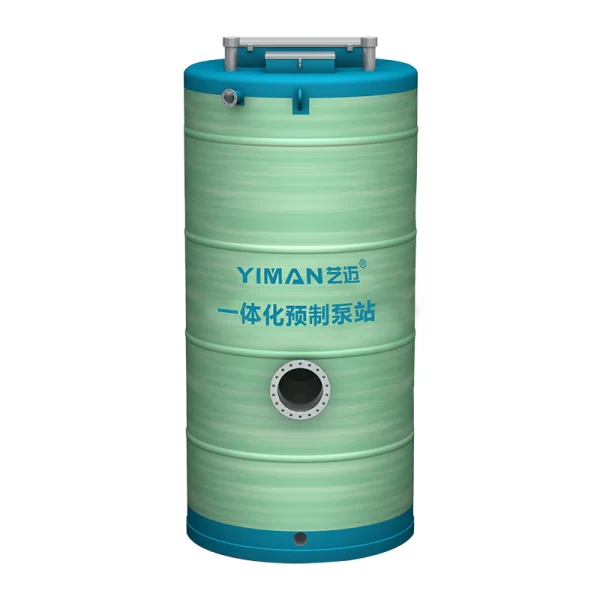
Integrated pre-casting pump stations are a game-changer when it comes to installation. These units are built off-site, in a factory, which means super high quality control and then, boom, they’re deployed fast. This cuts down on construction time and labor costs on-site big time. Their compact design is also fantastic for tight urban spaces. Plus, they often come with corrosion-resistant materials and smart control systems, making them extra durable and high-performing. We really specialize in these cutting-edge, ready-to-install solutions.
2. The Advantages of Prefabricated Pump Stations in Urban Environments
Prefabricated Pump Station offer a ton of perks for urban sewer separation. Because they’re modular, you can customize them to exactly what your project needs. Installation is quicker and way less disruptive than those old-school, pour-it-in-place concrete structures. And since they’re tested at the factory, you know they’re reliable, cutting down on those annoying commissioning issues. They’re tough, leak-proof, which is absolutely critical for preventing environmental contamination. Our prefabricated units are built to last and are easy to keep running smoothly. If you want to dive deeper into efficient urban drainage, you might want to check out Prefabricated Pump Station Revolutionizing Urban Drainage with Speed and Intelligence.
3. Specialized Pump Solutions for Diverse Sewer Separation Needs
Beyond the standard models, we also have specialized pump solutions for those really unique challenges. For example, Sewage Water Elevating System are absolutely essential in places where gravity just won’t cut it, like basements or underground facilities. We also offer Vertical Multi Stage Centrifugal Pump for when you need to pump water really high, and Split Casing Double Suction Pump for moving huge volumes of water. The choice really comes down to the specific characteristics of the wastewater, how high you need to pump it, and the overall flow capacity. These specialized pumps ensure top-notch performance across a wide range of applications.
Benefits of Implementing Pump Stations for Sewer Separation Projects
Putting pump stations into your sewer separation projects really pays off. The advantages are huge, from protecting our environment to making our cities more economically sound and just generally better places to live. When you strategically deploy these systems, it truly transforms how we manage wastewater.
1. Enhancing Environmental Protection and Water Quality
Sewer separation, made possible by pump stations, drastically cuts down on combined sewer overflows. This means raw sewage isn’t polluting our natural water bodies anymore. Cleaner rivers and lakes mean healthier ecosystems and more biodiversity. Better water quality also means safer places for us to swim and play, and it even reduces the cost of treating contaminated water for drinking. It’s a win-win-win!
2. Improving Urban Infrastructure Resilience and Flood Control
Separating sewage and stormwater makes our urban infrastructure much more robust. Dedicated stormwater systems, often backed up by pump stations, can handle heavy rainfall much better. This means less risk of urban flooding, which protects our homes, businesses, and all that critical infrastructure. It also takes the pressure off wastewater treatment plants, ensuring they can keep running smoothly. Resilient infrastructure isn’t just a buzzword; it’s absolutely vital for sustainable city living.
3. Achieving Operational Efficiency and Reducing Maintenance Costs
Modern pump stations are packed with advanced tech that makes them incredibly efficient. Things like variable frequency drives (VFDs) and smart control systems fine-tune pump performance, which means less energy consumption. And when you separate the flows, you get fewer blockages and less corrosion in the sewer lines, which translates to less frequent and less costly maintenance. Over the long haul, that adds up to some serious savings for municipalities.
Planning and Implementing Pump Station Solutions for Sewer Separation
Look, for any pump station project in sewer separation to really succeed, you need meticulous planning and execution. You’ve got to carefully consider the specific conditions of the site, how all the technology will fit together, and how sustainable it will be in the long run. That’s how you get optimal performance. And we’re here to help you every step of the way.
1. Critical Considerations for Site Selection and System Design
Choosing the right spot for a pump station means doing your homework: geological surveys, hydraulic modeling, and environmental impact assessments. Engineers have to think about things like how high or low the land is, what kind of soil they’re dealing with, and how close it is to existing utilities. When it comes to designing the system, you need super precise calculations for flow rates, how much “lift” the water needs, and the right size for the pumps. We bring our expertise to the table to really optimize these crucial design parameters.
2. Integrating Smart Technologies for Intelligent Pump Station Management
Bringing smart technologies into the mix truly transforms how pump stations are managed. Systems like SCADA (Supervisory Control and Data Acquisition) allow for real-time monitoring and even remote control – pretty cool, right? And predictive maintenance algorithms? They analyze all the operational data to spot potential problems before they even happen, which means way less downtime. This intelligent management boosts efficiency, cuts operational costs, and makes the whole system much more reliable. Our Intelligent Digital Drived VFD Booster System is a perfect example of this kind of advanced integration.
3. Ensuring Long-Term Sustainability and Performance of Pump Station Systems
For long-term sustainability, you need tough materials, energy-efficient components, and a solid maintenance plan. We make sure our pump stations are built with durable, corrosion-resistant materials so they last for ages. Energy-efficient motors and pumps not only help the environment but also save on running costs. And with comprehensive maintenance schedules and readily available spare parts, you can count on continuous, reliable performance.
Partner with Shanghai Yimai for Advanced Sewer Separation Solutions
Here at Shanghai Yimai Industrial Co., Ltd., we’re proud to offer some seriously cutting-edge pump station technologies for effective sewer separation. Our integrated pre-casting and prefabricated pump stations are all about efficiency, reliability, and sustainability. We don’t just offer off-the-shelf solutions; we provide customized designs to tackle the unique challenges of urban wastewater management. So, why not reach out today? Let’s chat about your project needs and see how our expertise can really benefit your infrastructure development.
Email: tony@yimaipump.com
Phone/WhatsApp: +86 134 8229 5009
About the Author
Well, that’s me! I’m a Senior SEO Content Strategist over at Shanghai Yimai Industrial Co., Ltd., and I really get into industrial pump and motor technologies. With a good chunk of experience in wastewater management solutions under my belt, I try to offer some solid, authoritative insights into urban infrastructure development and environmental engineering. Hopefully, what you’ve read reflects a deep understanding of industry standards, the latest tech advancements, and how all this stuff actually works in the real world.
FAQs
1. What is sewer separation and why is it important for urban areas?
Sewer separation is basically creating two distinct pipe networks: one for sanitary sewage and one for stormwater. It’s super important for cities because it stops raw sewage from mixing with rainwater. This means less pollution, better public health, and way less flooding when it rains hard. It’s a fundamental upgrade that makes our cities tougher and our water cleaner.
2. How do pump stations contribute to preventing sewer overflows?
Pump stations are absolutely crucial for moving wastewater through those separated sewer systems, especially in places where gravity just isn’t going to do the job. By lifting sewage and stormwater to higher ground, they ensure a steady flow to treatment plants or designated discharge points. This controlled movement prevents the system from getting overloaded, which in turn stops those nasty overflows into our natural waterways.
3. What are the main types of pump stations used in sewer separation?
The two big players are integrated pre-casting pump stations and prefabricated pump stations. Integrated pre-casting stations are built in a factory for quick installation, offering a compact design and high efficiency. Prefabricated stations are more modular and customizable, allowing for rapid deployment and less on-site construction hassle. Both types really boost system reliability and lessen our environmental footprint.
4. What are the environmental benefits of effective sewer separation?
The environmental benefits are huge! Effective sewer separation drastically cuts down on untreated wastewater being dumped into our rivers and lakes. This means better water quality, healthier aquatic ecosystems, and more biodiversity. It also makes our water bodies safer for fun activities and reduces the cost of cleaning up contaminated water for us to drink.
5. How can intelligent control systems enhance pump station performance?
Intelligent control systems, like SCADA, allow us to monitor and even operate pump stations remotely, in real-time. They optimize when pumps turn on and off based on how much water is flowing, which saves energy and cuts down on operating costs. These systems also help with predictive maintenance, spotting potential problems before they cause a breakdown, ensuring the system runs smoothly and reliably all the time.