Lifting Units vs. Standard Sewage Pumps: A Comprehensive Comparison
Picking the right sewage setup is one of those choices that quietly determines whether a site hums along or struggles. When I’m called to look at a flooded basement or a stubborn wet well, the decision almost always narrows to two paths: a compact lifting unit or a standard sewage pump system. Each has clear strengths tied to footprint, installation complexity, performance, maintenance, and compliance. Below, I’ve laid out a practical, technical comparison so you can align the solution with your site’s realities—not the other way around.
Understanding the Core Differences Between Lifting Units and Standard Sewage Pumps
Effective sewage management requires a clear understanding of the tools available. Lifting units and standard sewage pumps serve similar ends but employ distinct approaches. Each system offers unique advantages depending on site-specific challenges and wastewater characteristics. We will clarify these fundamental distinctions.
1. Defining Lifting Units and Their Purpose
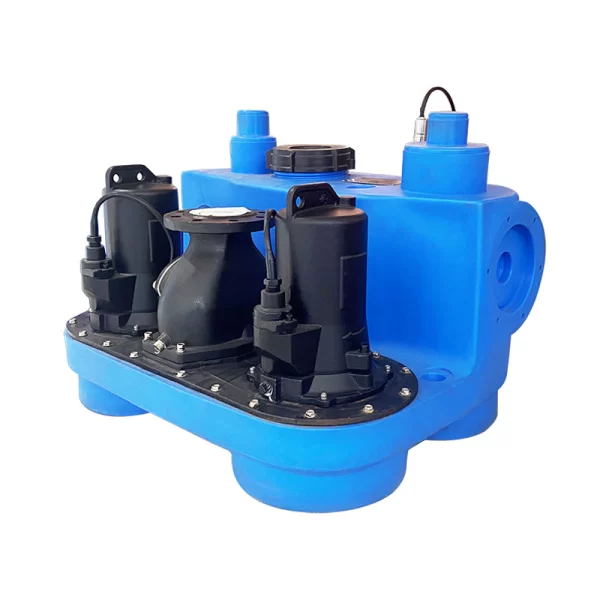
A lifting unit, often known as a sewage lifting station or package pump station, integrates a collection tank, one or more pumps, control systems, and associated pipework into a compact, pre-assembled system. Its primary purpose is to collect wastewater from areas below the main sewer line or where gravity drainage is impractical. The unit then pumps this wastewater upwards to the sewer system. These systems are essential for basements, underground car parks, and remote buildings. Shanghai Yimai Industrial Co., Ltd. offers advanced Sewage Water Elevating System solutions for such applications.
| Parameter | Specification (Sewage Water Elevating System) |
|---|---|
| Model | YMWM / YMWP / YMWB |
| Rated Voltage / Frequency | 380V – 50Hz / 60Hz |
| Max Flow Rate | 130 m³/h |
| Max Head | 60 m |
| Application Fields | Subway stations, underground shopping malls, parking lots (where gravity drainage is not possible) |
2. Defining Standard Sewage Pumps and Their Applications
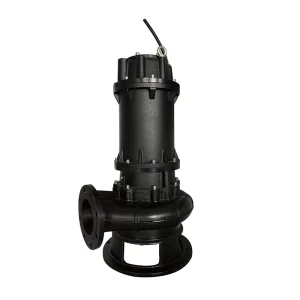
Standard sewage pumps are standalone pumping devices built to move wastewater with solids, typically installed in a wet well or sump. They depend on external control panels and separate collection structures. Common variants include submersible sewage pumps and dry-installed pumps. You’ll find them across municipal treatment plants, industrial sites, and large commercial buildings. We often suggest these where a collection system already exists or when a high degree of customization is needed.
3. Key Operational Principles and Mechanisms
Lifting units run on a demand-driven sequence: wastewater enters the integrated tank, level sensors register the rise, and the pump(s) discharge through a pressure line to the main sewer. The contained design helps curb odors and streamlines installation. Standard sewage pumps sit in a sump and start as levels increase, typically via float switches or level sensors. They draw directly from the wet well—open or closed—providing broad flexibility for pump selection and sizing.
Comparative Analysis of Design and Installation Requirements
The design and installation phases represent significant cost and labor considerations. Understanding the inherent differences between lifting units and standard sewage pumps is critical for project planning. These factors influence both initial capital expenditure and long-term operational viability.
1. Structural Design and Footprint Considerations
Lifting units package all components inside a compact, often sealed enclosure, shrinking the footprint and reducing civil work. Their modular format makes them straightforward to slot into tight retrofits or new builds with limited space. In contrast, standard sewage pump systems typically require a larger, purpose-built wet well or sump, meaning more excavation, construction, and room for the pump, controls, and pipework.
2. Installation Complexity and Site Preparation
Lifting units generally arrive pre-assembled, which cuts on-site work and potential installation errors. You’ll usually connect inlet/outlet lines, power, and set the unit in a prepared pit. Standard sewage pumps need more extensive setup: build the wet well, place pump(s), wire the control panel, and run a broader network of piping—often demanding specialized civil and plumbing expertise.
3. Material Composition and Durability
Lifting units commonly use corrosion-resistant housings like polyethylene or fiberglass-reinforced plastic (FRP), with internals (pumps, valves) in cast iron or stainless steel to withstand aggressive wastewater. Standard sewage pumps likewise use durable casings and impellers—cast iron or stainless grades—selected to match the corrosive and abrasive load. For example, 304 Stainless Steel Submersible Sewage Pump can be the right fit in specific environments.
Performance Metrics and Efficiency Evaluation
Evaluating performance metrics is essential for selecting a sewage pumping solution that meets specific operational demands. We analyze flow rate, head, energy consumption, and maintenance to provide a comprehensive overview. Each system presents distinct characteristics affecting overall efficiency and cost-effectiveness.
1. Flow Rate and Head Capabilities
Lifting units typically offer flow rates up to 130 m³/h and heads up to 60 m, as seen in our Sewage Water Elevating System. These specifications are suitable for smaller to medium-scale applications, such as commercial buildings or residential complexes. Standard sewage pumps, particularly submersible models, can achieve significantly higher flow rates and heads. They handle large volumes of wastewater over greater distances or to higher elevations. Their modular nature allows for greater flexibility in selecting pumps tailored to exact flow and head requirements.
2. Energy Consumption and Operational Costs
Energy is a major operating cost driver. Lifting units, with integrated controls and matched pump sizing, are efficient within their intended duty range, though smaller tanks can mean more frequent cycling under heavy load. Standard sewage pumps can be highly efficient when paired with variable frequency drives (VFDs), which trim speed to actual demand. That optimization becomes pivotal at scale. Pairing with IE4 Three Phase Electric Motor can drive further energy savings.
3. Maintenance Requirements and Lifespan
Lifting units favor accessibility and sealed operation, limiting exposure to wastewater; plan routine checks for sensors, pumps, and non-return valves. Service life is closely tied to build quality and preventive care. Standard sewage pumps require inspections for impeller wear, seal health, and motor performance. Submersibles need periodic retrieval for servicing. A proactive maintenance plan extends life and reliability for both.
4. Noise Levels and Environmental Impact
Lifting units are often buried or enclosed, naturally dampening sound and containing odors. Standard pump wet wells can be noisier without proper isolation, and open sumps may need additional odor control. With sound design and maintenance, both options protect the local environment by reliably moving and containing wastewater.
Application Suitability and Environmental Considerations
The choice between lifting units and standard sewage pumps depends heavily on the specific application and environmental context. Each system excels in different scenarios, offering distinct advantages for various wastewater management challenges. We consider these factors to ensure optimal system selection.
1. Ideal Scenarios for Lifting Units
Choose lifting units where gravity drainage simply won’t work—basements, underground facilities, or sites far from the main sewer. Their compact, integrated build is ideal when space is tight or when a sealed, hygienic system is a must. Our Sewage Water Elevating System is engineered precisely for these constraints.
2. Optimal Use Cases for Standard Sewage Pumps
Standard sewage pumps shine in larger-scale operations—municipal networks, industrial settings, and big commercial developments—where high flows and heads are common. Their flexibility lets you tailor configurations to complex hydraulic needs. If you’re weighing this route, consider Submersible Sewage Pump Robust and Intelligent Solutions for Demanding Wastewater Challenges.
3. Handling Different Types of Wastewater
Both systems can manage domestic and light commercial wastewater, but solids handling depends on pump type. Lifting units often use grinder or cutter pumps to macerate solids for smaller discharge lines. Standard pumps offer impeller options—vortex for robust solids handling, channel for less aggressive solids. Correct impeller selection is crucial to avoid clogs and ensure dependable operation.
4. Regulatory Compliance and Safety Features
All systems must align with local and national environmental requirements. Sealed lifting units help by containing odors and leaks, and typically include alarms for high level or pump fault. Standard pump installations must be designed with electrical safety and confined-space maintenance in mind. For both, redundancy (duty/standby) and backup power are common safeguards.
Making the Right Choice: Factors to Consider for Your Project
Choosing between a lifting unit and a standard sewage pump requires a thorough evaluation of various project-specific factors. We guide you through the critical considerations to ensure your investment yields reliable and efficient wastewater management.
1. Assessing Project Scale and Budget
Scale dictates complexity and capacity. Single-building basements often benefit from the compact, lower-installation-cost profile of lifting units. Municipal or industrial applications typically require the capacity and customization that standard pump systems provide. When budgeting, balance upfront equipment and install with long-term energy, maintenance, and downtime risk.
2. Evaluating Specific Site Conditions and Constraints
Elevation difference to the discharge point, available space, and soil/excavation limits all matter. Lifting units excel where space is constrained or heavy civil work isn’t feasible. Standard pumps adapt well to varied layouts—provided there’s room for sumps and safe access. For intricate cases, see Optimizing Sewage Water Elevating Systems for Modern Infrastructure.
3. Long-Term Reliability and Support
Reliability hinges on accurate specification, proper installation, and disciplined maintenance. Partner with proven manufacturers and suppliers who offer after-sales support, spare parts, and technical assistance. That continuity safeguards uptime and extends equipment life.
4. Shanghai Yimai Industrial Co., Ltd. Solutions for Sewage Management
Shanghai Yimai Industrial Co., Ltd. delivers end-to-end sewage management solutions. We supply Sewage Water Elevating System for diverse sites and a full lineup of high-performance standard pumps. Our focus is energy efficiency, durability, and environmental compliance. Our engineering team supports you through design, selection, commissioning, and ongoing service.
Choose Shanghai Yimai for Your Sewage Management Needs
Ensuring efficient and reliable sewage management is critical for any infrastructure project. Whether your needs point towards the compact efficiency of a lifting unit or the robust capacity of a standard sewage pump, Shanghai Yimai Industrial Co., Ltd. provides expert guidance and high-quality solutions. Our team is ready to assist you in selecting the optimal system tailored to your specific project requirements. Contact us today to discuss your wastewater management challenges.
Email: tony@yimaipump.com
Phone/WhatsApp: +86 134 8229 5009
About the Author
After-Sales Engineer
As an After-Sales Engineer at Shanghai Yimai Industrial Co., Ltd., I work hands-on with the design, installation, and maintenance of sewage lifting units and standard sewage pumps. I focus on practical, data-driven decisions that improve efficiency and reliability over the full lifecycle. My role is to provide thorough support and actionable technical insight for complex wastewater challenges.
FAQs
1. What are the main benefits of using a lifting unit over a standard sewage pump?
Lifting units combine tank, pumps, controls, and piping in a compact package, making installation simpler and reducing footprint. Their sealed build minimizes odors and supports hygiene—ideal for basements and underground locations where gravity isn’t an option. Pre-assembly also cuts on-site labor.
2. Can standard sewage pumps handle solids as effectively as lifting units?
Yes. Standard sewage pumps with vortex or channel impellers handle solids and fibrous material well. Lifting units often use grinder or cutter pumps to macerate solids, which helps prevent clogs in smaller discharge lines. Actual performance depends on the specific pump and impeller design.
3. What maintenance is typically required for each type of system?
Lifting units need routine checks of level sensors, pumps, and non-return valves, with less exposure thanks to sealed housings. Standard sewage pumps require inspections for impeller wear, seal condition, and motor health—and submersibles must be lifted for service periodically. Both benefit from planned preventive maintenance.
4. How do environmental regulations impact the choice between these two systems?
Regulations typically cover odor control, leak prevention, and discharge management. Sealed lifting units can simplify compliance by containing odors and spills. Standard systems, especially with open sumps, may need additional odor and spill control measures to meet requirements.
5. What factors should be considered when calculating the total cost of ownership for each pump type?
Account for purchase price, installation, energy use, maintenance parts and labor, and the potential cost of downtime or non-compliance. Efficiency, expected service life, and availability of spares and technical support are key drivers of long-term cost for both options.