
Mastering Electric Motor Noise Diagnostics for Industrial Reliability
Strange sounds from electric motors tell you something’s wrong before the repair bill arrives. Getting the diagnosis right matters because it keeps equipment running and avoids the kind of downtime that throws production schedules into chaos. Different faults produce different sounds, and learning to read those acoustic clues makes targeted repairs possible. What follows covers practical methods and the tools that actually work for tracking down and fixing motor noise problems.
Understanding Motor Noise Sources and Their Impact
Electric motor noise comes from several places, each with its own sound profile and consequences for your operation. These aren’t just annoying background sounds. They’re telling you the motor’s health is slipping. Let them go and you’ll see efficiency drop, power bills climb, and equipment fail sooner than it should. Unaddressed motor noise hits the bottom line hard through higher maintenance spending and lost production time. Motor vibration analysis and recognizing acoustic signatures form the backbone of keeping industrial motors healthy.
| Noise Type | Common Sources | Characteristics | Impact on Operations |
|---|---|---|---|
| Mechanical | Bearings, unbalance, misalignment | Grinding, rattling, knocking | Decreased efficiency, premature wear, failure |
| Electrical | Stator, rotor, harmonics | Humming, buzzing, whining | Overheating, power quality issues, reduced lifespan |
| Aerodynamic | Cooling fans, ventilation | Whistling, rushing air | Energy loss, increased ambient noise |
| Magnetic | Core lamination, air gap | Pulsating, rumbling | Vibration, structural fatigue |
Systematic Identification of Mechanical Noise Faults
Catching mechanical noise faults early stops catastrophic failures and stretches equipment life. A structured diagnostic approach fits naturally with preventive maintenance programs. Mechanical noise usually points to physical wear or structural problems inside the motor. Finding the exact source takes careful listening and the right diagnostic techniques.
What are the common causes of electric motor noise?
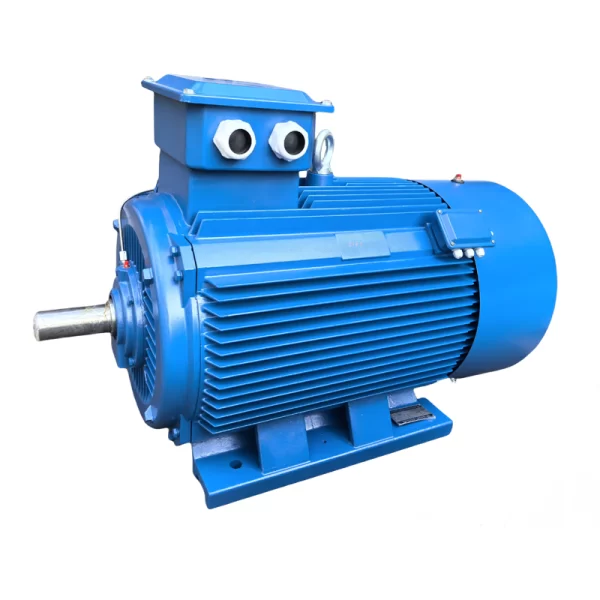
Mechanical problems drive most electric motor noise. Worn bearings make grinding or squealing sounds. Loose parts like mounting bolts or fan blades create rattling or knocking. Cooling fan noise adds to the overall sound level too. Each mechanical issue has its own noise fingerprint, which helps narrow down what’s actually wrong.
Advanced Electrical Noise Detection and Resolution
Electrical noise brings a different diagnostic puzzle than mechanical problems. Humming, buzzing, or whining sounds point to trouble in the motor’s electrical system. Shanghai Yimai’s electrical motor expertise supports accurate diagnosis and provides solutions for tricky electrical noise situations. The focus stays on finding the root cause so fixes actually last.
| Feature | Electrical Noise Indicators | Mechanical Noise Indicators |
|---|---|---|
| Sound Type | Humming, buzzing, whining, chattering | Grinding, rattling, knocking, squealing, clunking |
| Frequency | Often synchronous with electrical frequency (e.g., 2x line frequency) or related to VFD switching. | Often related to rotational speed, bearing frequencies, or structural resonances. |
| Cause | Stator winding faults, rotor bar issues, harmonic distortion, variable frequency drive noise, loose connections. | Worn bearings, unbalance, misalignment, loose components, friction, structural defects. |
| Impact | Overheating, insulation degradation, power quality issues, reduced efficiency. | Excessive vibration, premature wear, fatigue failure, structural damage. |
| Diagnostic Tools | Current clamps, power analyzers, oscilloscopes, motor circuit analyzers. | Vibration analyzers, acoustic sensors, stethoscopes, thermal imagers. |
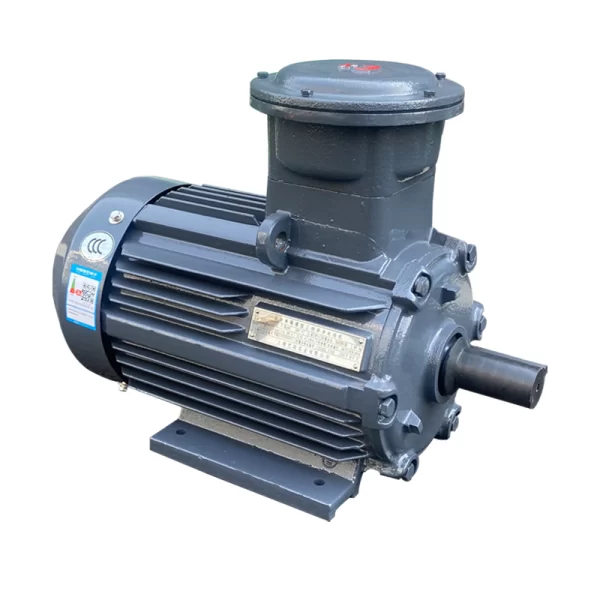
Our YBX3 Explosion-Proof Three Phase Electric Motor and YBX4 Explosion-Proof Three-Phase Electric Motor are built to minimize electrical inconsistencies, which keeps operation quieter. For more on advanced motor technologies, consider reading 《YBBPX3 Motor Revolutionizing Safety and Efficiency in Hazardous Environments》.
Practical Tools and Methodologies for Noise Analysis
Getting motor noise diagnosis right depends on professional-grade tools and a systematic approach. These instruments deliver the precision needed for effective industrial troubleshooting. A combination of tools captures different aspects of motor operation, building a complete picture of what’s happening inside.
How can I differentiate between mechanical and electrical motor noise?
Telling mechanical noise from electrical noise comes down to listening for their distinct characteristics. Mechanical noise shows up as grinding, rattling, or knocking, and it often changes with load or speed. Electrical noise sounds like humming, buzzing, or whining, frequently tied to power supply frequency or variable frequency drive operation. Noise signature analysis and frequency analysis help pin down where the problem actually lives.
What tools are essential for diagnosing motor noise issues?
Stethoscopes work well for pinpointing localized sounds. Accelerometers measure vibration levels. Data collectors track trends over time. Thermal imagers spot overheating that might not be obvious otherwise. Spectrum analysis software processes vibration and acoustic data into something actionable. Together, these instruments give you a full view of motor health.
Preventive Strategies for Sustained Motor Performance
Taking action before problems develop keeps motors running well and reduces noise potential. This goes beyond just finding faults to include quality motors and solid maintenance support. Effective preventive maintenance programs cut the chances of noise-related issues significantly.
Regular motor lubrication, alignment checks, and vibration monitoring belong in any preventive maintenance schedule. Scheduled inspections catch early signs of wear or damage. Our IE3 Three Phase Electric Motor and IE4 Three Phase Electric Motor are built for durability with inherently low noise levels. For more on maintaining optimal performance, explore 《Optimizing Three Phase Asynchronous Motor Reliability in Pump Systems A Technical Guide》.
Ensure Industrial Reliability with Shanghai Yimai Motor Solutions
Do not let motor noise compromise your operations. Shanghai Yimai Industrial Co., Ltd. provides professional-grade electrical motors, water pumps, and integrated systems designed for durability and quiet operation. For expert consultation on motor diagnostics or to upgrade your equipment, contact our specialists today. Email: overseas1@yimaipump.com | Phone/WhatsApp: +86 13482295009
Frequently Asked Questions About Electric Motor Noise
What is the most common cause of electric motor noise in industrial settings?
Worn or damaged bearings top the list for industrial motor noise sources. Electrical issues like imbalanced voltage or loose stator windings also contribute their share. Getting the diagnosis right matters because the fix depends entirely on what’s actually causing the problem.
Can motor noise indicate an impending motor failure?
Changes in motor noise often serve as early warnings of failure on the way. Unusual grinding, humming, or rattling can signal bearing wear, rotor imbalance, or electrical faults. Ignoring these sounds leads to costly downtime and motor breakdown.
How does Shanghai Yimai’s motor technology help reduce noise issues?
Shanghai Yimai Industrial Co., Ltd. builds electrical motors with precision engineering, quality materials, and advanced balancing techniques. This approach minimizes inherent vibrations and electrical inconsistencies, which significantly reduces noise potential and delivers reliable, quiet operation in industrial applications.