Mastering Industrial Shredding: Safe Practices for Complex Materials
Shredding complex industrial materials is seldom straightforward, and the risks are real. We routinely see how diverse waste streams and hazardous components raise the stakes, from potential explosions and entanglement hazards to exposure to harmful dust. That mix calls for robust safety measures. From experience, treating these dangers as a must keeps operations steady and people safe.
Implementing Robust Safety Solutions and Protocols for Industrial Shredding Operations
Addressing the identified pain points calls for a multi-faceted approach, integrating advanced safety solutions with rigorous operational protocols. This section lays out the key elements of a full safety strategy, from selecting appropriate personal protective equipment (PPE) and establishing lockout/tagout procedures to implementing emergency stop systems and dust suppression technologies. We also cover the role of regular safety training and hazard communication in helping personnel recognize and mitigate risks effectively, creating a safer working environment for everyone involved in the shredding process.
1. Essential Personal Protective Equipment (PPE) for Shredder Operators
Proper personal protective equipment (PPE) underpins operator safety during industrial shredding. This includes heavy-duty gloves, safety glasses or face shields, hearing protection, and respiratory masks to prevent dust inhalation. We emphasize that all PPE must meet industry standards and be regularly inspected for wear and tear.
2. Lockout/Tagout Procedures and Emergency Response Planning
Strict lockout/tagout procedures are required to prevent accidental machine startup during maintenance or clearing of jams. We implement well-defined emergency response plans, including clearly marked emergency stop buttons and evacuation routes. If you’re interested, check 《Fire Fighting Diesel Engine Uninterrupted Power for Life Safety Critical Systems》. These measures ensure rapid and effective action in unforeseen incidents, minimizing risks to personnel and equipment.
Leveraging Advanced Equipment and Operational Best Practices for Enhanced Safety and Efficiency
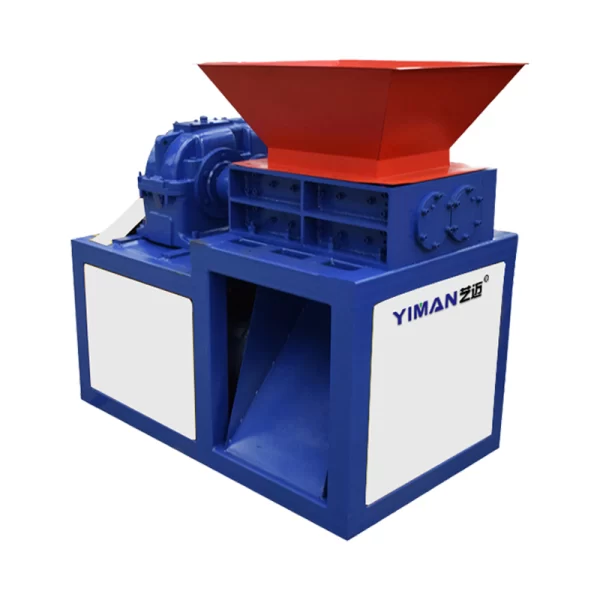
Choosing the right industrial shredding equipment is paramount to ensuring both safety and operational efficiency when handling complex materials. This section explains how specialized machinery, such as Shanghai Yimai Industrial Co., Ltd.’s Double Shaft Shredder Machine contributes to safer processing by design, emphasizing features like robust construction, precision cutting, and integrated safety mechanisms. We also outline best practices for material feeding, machine monitoring, and routine inspections, demonstrating how optimized operational workflows can significantly reduce risks and improve overall productivity in complex material shredding environments.
1. The Role of Double Shaft Shredders in Safe Material Processing
Double Shaft Shredder Machine are engineered for challenging industrial applications and offer enhanced safety. These machines feature two counter-rotating shafts with intermeshing blades, providing powerful and controlled size reduction. This design minimizes the risk of material bridging and sudden ejection, common hazards with other shredder types. Their robust construction handles diverse materials, from construction debris to medical waste, reducing operational risks.
| Parameter | Value Range |
|---|---|
| Model | YMPS |
| Treatment Capacity | 500 – 10,000 Kg/h |
| Broken Particle Size | 6 – 10 mm |
| Application Fields | Construction, Industrial, Household, Municipal, Garden, Medical, Kitchen Waste, Biomass Crushing |
2. Optimizing Material Feeding and Machine Monitoring for Risk Reduction
Optimizing material feeding and continuous machine monitoring are central to risk reduction in shredding operations. We ensure controlled and consistent material input to prevent overloading, which can lead to equipment damage or dangerous kickbacks. Automated feeding systems and sensors monitor the shredder’s performance, detecting anomalies like unusual vibrations or temperature spikes. This proactive monitoring allows for immediate intervention, preventing potential failures and enhancing overall safety.
Realizing the Value: Benefits of a Safety-First Approach in Industrial Material Shredding
Adopting a safety-first approach to shredding complex industrial materials yields substantial benefits beyond mere compliance, translating into tangible value for businesses. This section outlines the positive impacts, including reduced workplace accidents, lower insurance costs, enhanced equipment longevity, and improved public and regulatory perception. By investing in thorough safety measures and high-quality equipment, companies can achieve a more sustainable and profitable operation, demonstrating a commitment to environmental responsibility and employee welfare while efficiently managing diverse waste streams.
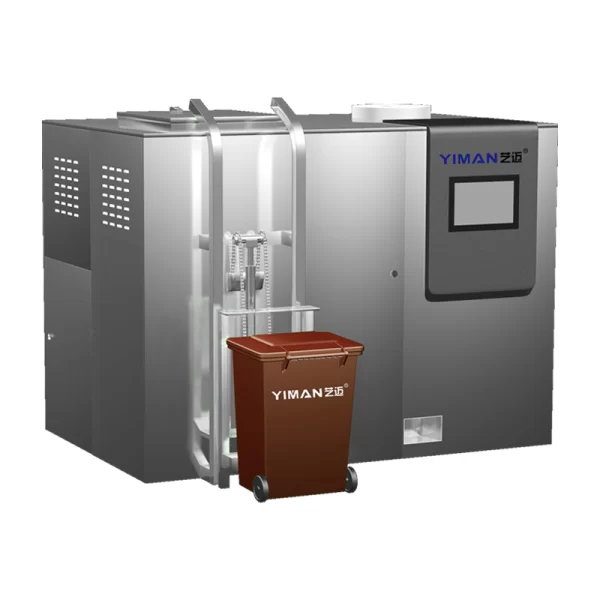
A safety-first approach directly reduces the frequency and severity of workplace accidents. This leads to fewer injuries, lower medical expenses, and decreased lost workdays. We have observed that companies prioritizing safety often experience significant reductions in insurance premiums and regulatory fines. Well-maintained equipment, operated within safety guidelines, lasts longer and requires less frequent repairs. This commitment to safety also enhances a company’s reputation, attracting skilled labor and demonstrating corporate responsibility. For example, implementing advanced shredding solutions like the Intelligent Waste Food Treatment System can significantly improve operational safety while managing waste efficiently. We believe these combined benefits contribute to a more sustainable and profitable business model.
FAQs
What are the primary safety concerns when shredding complex industrial materials?
Shredding complex industrial materials presents several key safety concerns, including the risk of entanglement, projectile hazards from unexpected material ejection, dust inhalation, potential for fires or explosions (especially with volatile materials), and machine-related injuries due to improper operation or maintenance. For example, materials with high moisture content or certain chemical compositions can generate flammable gases when shredded, necessitating specialized explosion-proof motors like Yimai’s YBX4 Explosion Proof Three Phase Electric Motor series.
How does a Double Shaft Shredder contribute to safer material processing?
A Double Shaft Shredder Machine, such as those manufactured by Shanghai Yimai Industrial Co., Ltd., enhances safety through its design and operational characteristics. Its dual-rotor system with intermeshing blades provides powerful, controlled shredding, reducing the likelihood of material jamming or sudden ejection. The slower speed and high torque minimize dust generation and noise compared to single-shaft designs, and its robust construction is designed to handle various complex materials, thereby reducing operational risks and increasing worker safety.
What are the essential steps for establishing an emergency response plan for industrial shredding?
An effective emergency response plan for industrial shredding operations should include clearly defined procedures for machine shutdown, personnel evacuation routes, first aid protocols, and communication channels for contacting emergency services. Conduct regular drills to ensure all staff are familiar with the plan and equip the area with accessible emergency stop buttons, fire suppression systems, and spill containment kits. This proactive planning minimizes the impact of unforeseen incidents and protects both personnel and equipment.
Elevate Your Industrial Waste Management
Improve your industrial waste management safety and efficiency. Contact Shanghai Yimai Industrial Co., Ltd. today to learn more about our Double Shaft Shredder and waste treatment solutions, or to schedule a consultation with our experts.
Email: overseas1@yimaipump.com
Phone/WhatsApp: +86 13482295009