
Mastering Motor Maintenance: A Strategic Blueprint for Industrial Reliability
Industrial motors keep production lines moving. When they fail unexpectedly, everything stops, and the costs add up fast. A solid maintenance approach changes that equation entirely, turning unpredictable breakdowns into scheduled, manageable interventions. What follows lays out a practical framework for motor care that actually works in real operating environments.
Why Proactive Beats Reactive Every Time
The difference between waiting for motors to fail and anticipating problems before they occur shows up directly on the balance sheet. Reactive maintenance means emergency calls, expedited parts, overtime labor, and production losses that compound quickly. Proactive approaches flip this dynamic. A well-executed preventive program can cut unexpected breakdowns by roughly 75%, which translates to real money saved and schedules kept.
Regular inspections and lubrication schedules for IE3 Three-Phase Electric Motors and IE4 Three-Phase Electric Motors keep them running within their designed parameters. Skip these basics, and premature wear becomes inevitable. The choice between maintenance strategies comes down to how critical each motor is and what resources are available. Not every motor needs the same level of attention. A systematic evaluation helps match the right maintenance approach to each piece of equipment, which forms the foundation of any successful program.
Building a Motor Inspection and Monitoring Program That Works
Early fault detection prevents small problems from becoming expensive disasters. A strong monitoring program combines traditional hands-on inspection with diagnostic technology. Vibration analysis catches imbalances, misalignment, and bearing wear before they cause damage. Thermal imaging spots overheating components that signal electrical faults or excessive friction.
These tools allow maintenance to happen when the motor actually needs it, not according to some arbitrary calendar. Monitoring YBX3 Explosion-Proof Three-Phase Electric Motors or YBX4 Explosion-Proof Three-Phase Electric Motors in hazardous environments becomes especially important. Catching anomalies early prevents safety incidents and keeps production running.
| Common Motor Fault | Diagnostic Method | Early Warning Signs | Impact of Failure |
|---|---|---|---|
| Bearing Wear | Vibration Analysis | Increased noise, temperature | Catastrophic mechanical breakdown |
| Winding Insulation | Electrical Testing | High resistance, current spikes | Short circuits, motor burnout |
| Misalignment | Laser Alignment, Vibration | Excessive vibration | Shaft damage, coupling failure |
| Overheating | Thermal Imaging | Hot spots, discolored casing | Insulation degradation, fire |
| Contamination | Visual Inspection, Oil Analysis | Dirt buildup, lubricant degradation | Reduced efficiency, premature wear |
Making Predictive Maintenance Deliver Real Results
IoT sensors and AI-driven analysis have changed what predictive maintenance can accomplish. Continuous data collection on temperature, vibration, and current draw feeds algorithms that spot subtle patterns humans would miss. This enables targeted repairs instead of broad-stroke interventions, reducing labor costs while extending equipment life. Applications using Vertical Multi-Stage Centrifugal Pump and Split Casing Double Suction Pump equipment have shown clear advantages from this approach.
What are the key components of a robust motor maintenance plan?
Start with routine visual inspections to catch obvious damage. Regular lubrication reduces friction and heat in moving parts. Cleaning schedules prevent dirt buildup that impedes cooling or causes electrical problems. Layer in advanced diagnostics like vibration analysis, thermal imaging, and electrical testing to find hidden faults. Each component serves a purpose, and skipping any of them creates gaps.
How can predictive maintenance improve motor longevity and reduce costs?
Detecting early degradation signs like minor bearing wear or insulation breakdown allows repairs before problems escalate. This prevents secondary damage and eliminates expensive emergency responses. A single catastrophic motor failure can run into tens of thousands in repairs and lost production. Predictive maintenance catches these situations early, which adds up to significant savings over time.
Getting Schedules and Resources Right
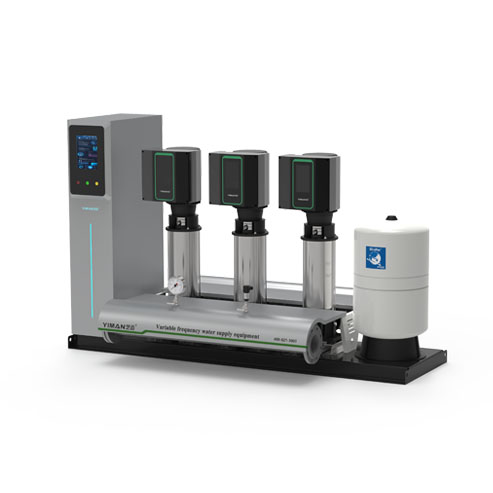
Computerized Maintenance Management Systems handle the logistics that make maintenance programs actually function. A CMMS automates task assignments, tracks maintenance history, and manages spare parts inventory. This matters when managing diverse equipment ranging from Heat Conducting Oil Pump units to Intelligent Digital Driven VFD Booster System installations.
Dynamic scheduling based on real-time condition data ensures maintenance happens when equipment actually needs it. Prioritization follows equipment criticality and actual wear patterns rather than arbitrary timelines. Centralizing data and automating workflows cuts administrative overhead and keeps maintenance personnel productive.
| Priority Level | Criteria | Action | Example Equipment |
|---|---|---|---|
| High | Critical to production, imminent failure risk | Immediate repair, emergency shutdown | Main production line motor |
| Medium | Significant impact on efficiency, potential failure | Scheduled maintenance during planned downtime | Auxiliary pump motor |
| Low | Minor issues, no immediate threat | Monitor, schedule with routine checks | Lighting system motor |
Handling the Hard Parts and Improving Over Time
New maintenance strategies run into predictable obstacles. Data integration gets messy when monitoring systems don’t talk to each other. Finding technicians who can interpret advanced diagnostic data takes effort. Initial technology investments require justification. Training programs and scalable CMMS platforms address these issues, though implementation takes time and commitment.
Total productive maintenance principles involve everyone in equipment care, from operators doing daily checks to engineers refining procedures. Regular performance reviews and feedback loops identify what needs adjustment. This iterative process keeps programs effective as technologies evolve and operational demands shift.
What common challenges arise when implementing a new motor maintenance strategy?
Data integration headaches come first when combining information from various sensors and older systems. Skilled personnel shortages create bottlenecks, especially for advanced diagnostics like vibration analysis or thermal imaging. Upfront costs for predictive maintenance technology and training require budget approval. Phased implementation and targeted training help manage these realities.
Partner with Shanghai Yimai Industrial Solutions
Shanghai Yimai Industrial Co., Ltd. manufactures electrical motors, water pumps, and integrated water systems built for demanding industrial environments. Contact us for consultation and solutions matched to your specific operational requirements. Email: overseas1@yimaipump.com | Phone/WhatsApp: +86 13482295009
Frequently Asked Questions About Motor Maintenance Plans
What is the primary goal of an effective motor maintenance plan?
Maximizing equipment uptime, extending motor life, and reducing operational costs through systematic inspection, monitoring, and proactive intervention. Preventing unexpected failures keeps production running and budgets intact.
How do predictive maintenance technologies enhance motor maintenance strategies?
Vibration analysis and thermal imaging provide real-time motor health data. Early detection of potential issues enables scheduled repairs before critical failures happen, improving uptime and cutting downtime costs.
What role does maintenance scheduling software play in optimizing motor care?
CMMS platforms automate task assignments, track maintenance history, manage spare parts, and forecast future needs. This streamlines operations, improves resource allocation, and ensures preventive maintenance happens on schedule.
Can a motor maintenance plan specifically reduce energy consumption?
Well-maintained motors run more efficiently. Bearing wear, misalignment, and improper lubrication all increase energy demand. Regular maintenance and diagnostics keep motors operating at peak efficiency, which shows up in lower utility bills.