Maximize Efficiency: Best Energy-Saving Tips for Water Pump Systems
Water pump systems are essential in various industries. Optimizing their energy consumption is crucial for reducing operational costs and supporting sustainability goals. This guide provides practical strategies and advanced technologies to maximize the efficiency of your water pump systems.
Understanding Energy Consumption in Water Pump Systems
Pumping systems account for a significant portion of industrial electricity use, often exceeding 20% in many facilities. Inefficient operation directly translates into higher electricity bills and a larger carbon footprint. Understanding the factors that contribute to this energy consumption is the first step toward improvement.
The Impact of Inefficient Pumping on Operational Costs
Inefficient pumping leads to substantial financial losses. Over-sized pumps or those operating far from their best efficiency point consume more power than necessary. This results in inflated electricity costs, increased wear and tear on components, and shorter equipment lifespans. Prolonged inefficiency can also necessitate more frequent maintenance and premature replacement, adding further to expenses. For instance, a pump operating at 50% efficiency instead of 80% can increase energy consumption by 60%.
Key Factors Influencing Pump Energy Use
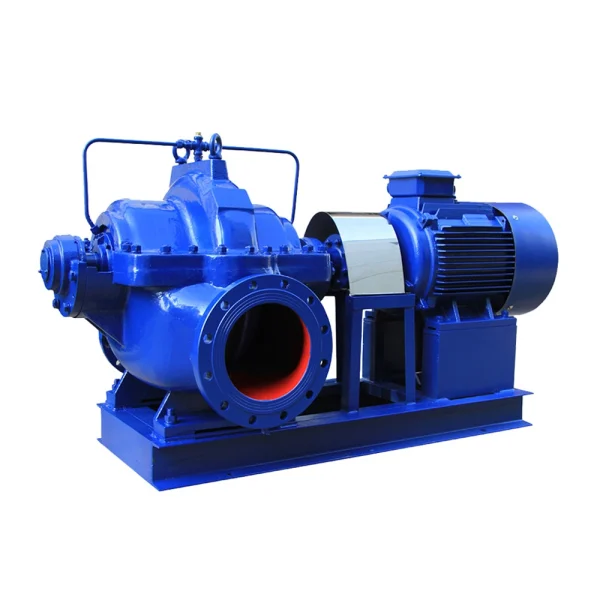
Several factors dictate how much energy a pump system consumes. These include pump size and type, motor efficiency, control methods, system design, and fluid characteristics. The most significant factor is often the operating point relative to the pump’s design specifications. Running a pump at partial load or under conditions different from its intended design can severely reduce efficiency. Additionally, system friction losses, caused by pipe diameter, length, and fittings, also contribute to higher energy demands.
Implementing Advanced Technologies for Energy Savings
Modern technology offers powerful tools for enhancing pump system efficiency. Integrating these solutions can yield significant energy reductions and operational improvements.
Harnessing Variable Frequency Drives (VFDs) for Optimal Performance
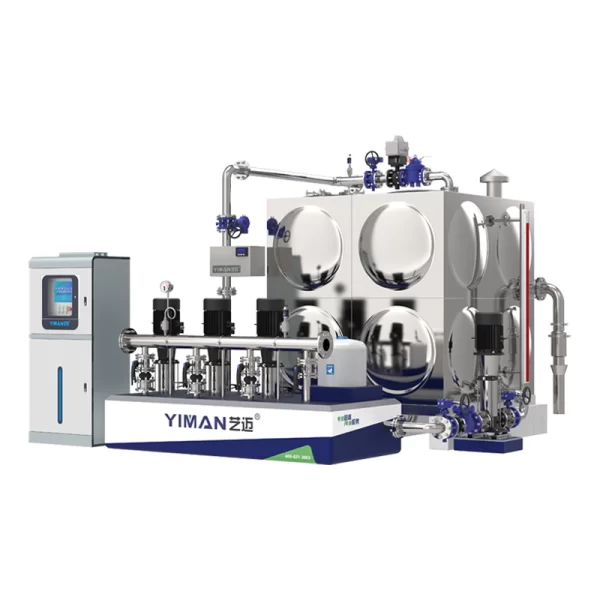
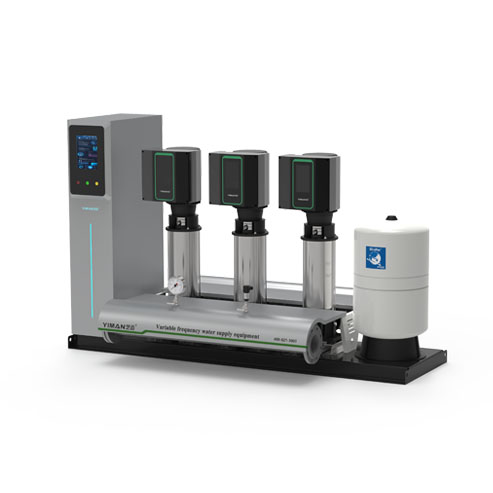
Variable Frequency Drives (VFDs) adjust motor speed to match demand, rather than running at a constant, often excessive, speed. This precise control reduces energy consumption dramatically, especially in systems with fluctuating flow requirements. For example, reducing pump speed by 20% can cut energy consumption by nearly 50%. VFDs also extend equipment life by minimizing mechanical stress during start-up and operation. We recommend exploring our VFD Controlled Booster System for intelligent pressure management and energy savings.
Upgrading to High-Efficiency Motors (IE3, IE4, IE5 Standards)
Electric motors are the heart of pump systems. Upgrading to high-efficiency motors, such as those meeting IE3, IE4, or IE5 standards, can significantly reduce energy losses. These motors are designed with advanced materials and construction techniques to minimize electrical and mechanical losses. An IE3 motor, for instance, can offer up to 15% energy savings compared to older, standard efficiency motors. For more information, read our article 《Turn 15% Less Energy into Profit with Yimai YE3 Three-Phase Asynchronous Motor》. We also offer IE4 Three-Phase Electric Motors that provide even greater efficiency.
The Role of Smart Control Systems in Demand Management
Smart control systems integrate VFDs, sensors, and programmable logic controllers (PLCs) to automate pump operation based on real-time demand. These systems monitor parameters like pressure, flow, and liquid levels, adjusting pump speed and sequencing to maintain optimal performance. This proactive management prevents over-pumping and ensures that energy is only consumed when genuinely needed. Such systems can reduce energy consumption by 20-40% in many applications.
Practical Strategies for System Optimization and Maintenance
Beyond technological upgrades, operational practices and regular maintenance are vital for sustaining energy efficiency in water pump systems.
Regular Audits and Performance Monitoring
Conducting regular energy audits and performance monitoring is critical. These activities identify inefficiencies, pinpoint areas for improvement, and track the effectiveness of implemented changes.
- Baseline Data Collection: Establish current energy consumption and performance metrics.
- System Analysis: Evaluate pump curves, motor load, and system pressure.
- Identify Opportunities: Locate pumps operating inefficiently or areas with excessive friction losses.
- Implement Changes: Apply recommended upgrades or operational adjustments.
- Monitor and Verify: Continuously track performance to ensure sustained savings.
Proper Sizing and Selection of Pump Components
Many pump systems are oversized for their actual needs, leading to constant operation at inefficient partial loads. Correctly sizing pumps and selecting components like impellers and piping for the specific application ensures the system operates near its best efficiency point. This initial design consideration can prevent significant energy waste over the system’s lifespan. Our experts can assist with proper sizing to ensure optimal efficiency.
Minimizing Friction Losses and Leakage
Friction losses in piping and components increase the energy required to move fluid. Factors like pipe diameter, material, and the number of bends and valves all contribute. Regularly inspecting for and repairing leaks is equally important, as even small leaks can lead to substantial water and energy losses over time. A 1/8-inch leak, for example, can waste thousands of gallons of water annually, requiring the pump to work harder.
| Strategy | Estimated Energy Savings | ROI Period | Operational Impact |
|---|---|---|---|
| VFD Implementation | 20% – 50% | 1-3 years | Reduced wear, precise control |
| High-Efficiency Motors | 5% – 15% | 2-4 years | Lower heat generation, longer life |
| System Optimization | 10% – 30% | 6-18 months | Improved flow, reduced noise |
| Regular Maintenance | 5% – 10% | Immediate | Extended equipment life, fewer breakdowns |
Solutions for Energy-Efficient Pumping
We provide solutions designed to meet the highest standards of energy efficiency and operational reliability. Our offerings address various industrial and commercial pumping needs.
Intelligent Digital Driven VFD Booster Systems
Our Intelligent Digital Driven VFD Booster Systems integrate advanced VFD technology with smart controls. These systems offer precise pressure management, adapting pump speed to real-time demand. This results in significant energy savings, reduced operational costs, and extended equipment longevity. They are ideal for applications requiring constant pressure with varying flow rates. Perfect Pressure With 40% Less Energy: The Yimai VFD Controlled Booster System provides further insights into these systems.
High-Efficiency IE3 and IE4 Three-Phase Electric Motors
We supply a range of high-efficiency electric motors, including IE3 and IE4 Three-Phase Electric Motors. These motors comply with international efficiency standards, ensuring minimal energy loss during operation. They are built for durability and performance, offering a reliable and cost-effective solution for powering pump systems. Upgrading to these motors can lead to substantial long-term energy savings. You can learn more about our offerings in 《High Efficient Three-phase Asynchronous Motor: The Engineering Behind Industrial Energy Savings》.
Integrated Pump System Design for Sustainable Operations
Our expertise extends to integrated pump system design. We consider the entire system, from pump selection and motor integration to piping layout and control strategies. This holistic approach ensures that all components work together efficiently, minimizing energy waste and maximizing performance. We aim to deliver sustainable solutions that provide both environmental benefits and economic advantages.
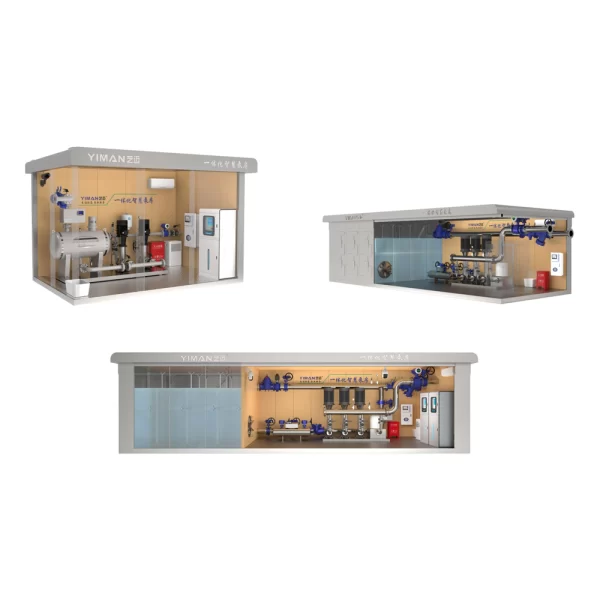
Enhance Your Pumping System’s Efficiency
Optimizing your water pump systems for energy efficiency is a strategic investment. It reduces operational costs, extends equipment life, and contributes to environmental sustainability. We offer a comprehensive range of products and services, from advanced VFD booster systems to high-efficiency motors and integrated design solutions, to help you achieve these goals.
Contact our specialists today to discuss how we can tailor an energy-saving solution for your specific needs.
FAQs
What are the most common causes of energy waste in pump systems?
Energy waste in pump systems often stems from oversized pumps, constant speed operation when variable flow is needed, poor system design leading to excessive friction, and lack of regular maintenance causing component degradation and leaks. Addressing these issues can significantly improve efficiency.
How quickly can I expect to see ROI from energy-saving upgrades?
The Return on Investment (ROI) for energy-saving upgrades typically ranges from 6 months to 4 years, depending on the specific technology implemented, the scale of the system, and local energy costs. VFDs often offer quicker ROIs due to their substantial energy reduction capabilities.
Is it always necessary to replace old pumps to achieve significant savings?
No, it is not always necessary to replace entire pump units. Often, significant savings can be achieved by upgrading components like motors to IE3 or IE4 standards, installing VFDs, or optimizing system controls. However, for very old or severely inefficient pumps, replacement might be the most cost-effective long-term solution.
What role does maintenance play in pump system energy efficiency?
Regular maintenance is crucial for maintaining energy efficiency. It involves checking for leaks, ensuring proper lubrication, monitoring vibration levels, and cleaning impellers. Neglecting maintenance can lead to increased friction, reduced performance, and higher energy consumption.
How can I determine the right VFD for my existing pump system?
Determining the right VFD involves analyzing your pump’s operating curve, motor specifications, and system flow requirements. Factors such as motor power, voltage, and the application’s specific control needs must be considered. Consulting with a pump system expert is recommended to ensure proper selection and integration.
Keywords:
Best Energy-Saving Tips for Water Pump Systems, VFDs, High-Efficiency Motors, System Optimization, Energy Consumption