Maximizing Electric Motor Lifespan Advanced Maintenance Strategies
Electric motors sit at the heart of most industrial operations. When one fails unexpectedly, the ripple effects hit production schedules, maintenance budgets, and bottom lines hard. After years working with manufacturers across different sectors, I’ve seen how the difference between a motor that lasts five years and one that runs for fifteen often comes down to understanding what actually causes degradation and acting on that knowledge before problems compound.
What Actually Causes Motors to Fail
Electric motors are built tough, but they’re not invincible. Several degradation pathways work simultaneously, and catching them early makes all the difference. 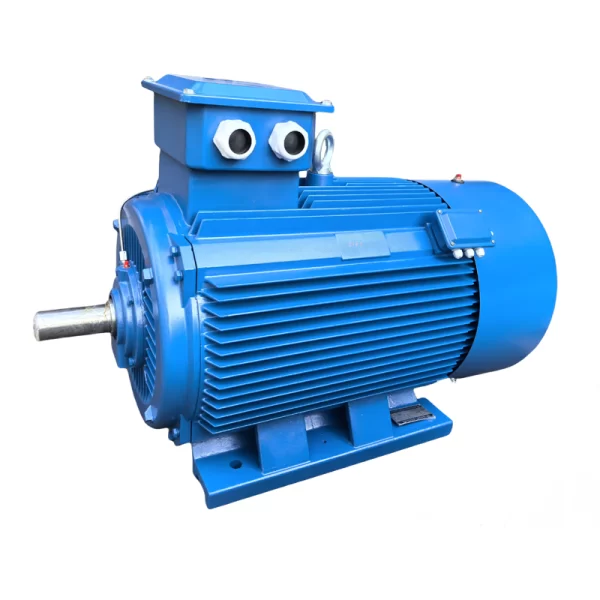
Insulation breakdown ranks among the most common failure modes. The materials separating conductors degrade under thermal cycling, voltage stress, and chemical exposure. Once insulation weakens past a certain threshold, short circuits become inevitable. Bearing problems run a close second. These components handle constant friction and loading, making them vulnerable to wear, fatigue, and lubrication breakdown. Contamination, misalignment, or running with the wrong lubricant accelerates the damage curve dramatically.
Electrical stress creates its own set of problems. Voltage imbalances, transients, and harmonic distortion generate excess heat in windings. Industrial facilities with complex power distribution networks see these issues more frequently. Mechanical factors like shaft misalignment or rotor imbalance create vibration that stresses every component, from bearings to windings to the housing itself.
Environmental conditions pile on additional challenges. Dust infiltration, moisture exposure, and corrosive atmospheres contaminate lubricants, corrode electrical connections, and attack insulation properties. Recognizing how these failure modes interact helps target maintenance efforts where they’ll have the greatest impact.
Getting Lubrication and Bearing Care Right
Bearings determine motor reliability more than most people realize. Getting lubrication practices right prevents a substantial percentage of motor failures.
Lubrication frequency depends on operating conditions. Speed, load, and ambient environment all factor into the equation. Using the correct lubricant matters just as much as timing. Mixing incompatible greases causes accelerated wear or outright bearing damage. High-temperature applications demand synthetic formulations with better thermal stability.
Vibration monitoring provides early warning of bearing deterioration. Changes in vibration signatures often appear weeks or months before catastrophic failure, creating a window for planned intervention. Bearing selection also plays a role. Load capacity, speed ratings, and sealing arrangements should match the application. Proper installation and alignment during maintenance prevent the premature wear that comes from starting with a compromised setup.
| Lubricant Type | Application Temperature Range | Typical Re-lubrication Interval |
|---|---|---|
| Lithium Grease | -20°C to 120°C | 6-12 months |
| Polyurea Grease | -30°C to 160°C | 12-24 months |
| Synthetic Grease | -40°C to 200°C | 24-36 months |
These intervals serve as starting points. Actual requirements vary based on specific motor designs and operating conditions.
For additional perspective on motor reliability in demanding applications, see 《Optimizing Three Phase Asynchronous Motor Reliability in Pump Systems A Technical Guide》.
Managing Heat Before It Manages You
Heat kills motors faster than almost anything else. Insulation materials have temperature limits, and exceeding them shortens service life in predictable ways. A 10°C rise above rated temperature can cut insulation life in half.
Motors generate heat through electrical resistance in windings and mechanical friction. When cooling systems can’t keep up, temperatures climb and damage accumulates. IE3 and IE4 Three-Phase Electric Motors incorporate IC411 cooling methods specifically to maintain stable thermal performance under load.
Practical thermal management starts with basics. Keep cooling fins clean. Ensure adequate airflow around the motor housing. Consider external cooling systems for high-duty applications. Temperature monitoring provides real-time visibility into operating conditions, catching overheating before it causes permanent damage. Motors designed for demanding applications, including those used in water pump systems, need robust cooling capabilities built in from the start.
| Cooling Method | Heat Dissipation Capability | Maintenance Requirements |
|---|---|---|
| IC411 (TEFC) | High | Low |
| IC416 (TEAO) | Very High | Medium |
| IC81W (Water-cooled) | Excellent | High |
Power Quality Problems and Solutions
Electrical supply quality affects motor health more than many facilities recognize. Unstable power conditions stress motor components in ways that accumulate over time. Integrated water systems and other applications requiring consistent operation depend on stable electrical supply.
Poor power quality shows up as voltage fluctuations, harmonic distortion, and phase imbalances. Voltage sags force motors to draw excessive current, generating heat and stressing insulation. Harmonics from variable frequency drives and other non-linear loads create additional winding heat. Both accelerate insulation degradation and reduce operating efficiency.
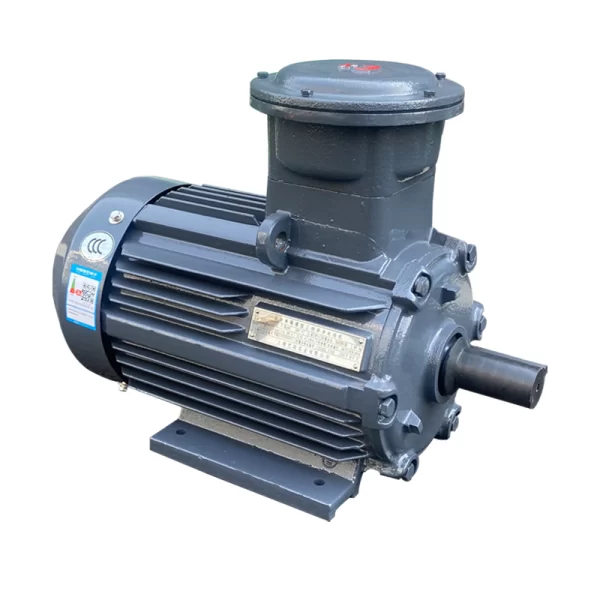
Addressing power quality requires appropriate countermeasures. Surge protectors, harmonic filters, and voltage regulators each target specific problems. Motor protection devices including overload relays and phase failure relays guard against abnormal electrical conditions. Periodic electrical system audits identify developing issues before they cause significant damage. The Intelligent Digital Drived VFD Booster System demonstrates how optimized electrical systems support consistent performance. Motors like the YBX3 Explosion Proof Three Phase Electric Motor are designed to handle typical industrial electrical environments while maintaining efficient operation.
For more on power management strategies, see 《VFD Controlled Booster System Powering Smarter Water Pressure with Efficiency and Precision》.
Moving from Reactive to Predictive Maintenance
Traditional time-based maintenance schedules have their place, but condition-based approaches deliver better results. Monitoring actual equipment condition rather than following fixed intervals catches problems earlier and avoids unnecessary maintenance interventions.
Predictive maintenance for electric motors relies on several monitoring technologies. Vibration analysis detects bearing wear and mechanical imbalance. Thermal imaging reveals hot spots indicating electrical or mechanical problems. Oil analysis identifies contamination and lubricant degradation. Electrical signature analysis catches winding faults and power quality issues. Tracking trends in this data allows maintenance scheduling based on actual need rather than calendar dates.
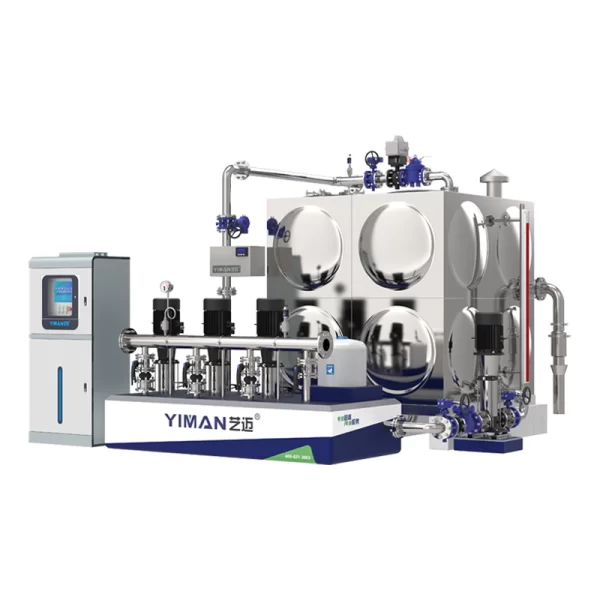
IoT sensors enable remote monitoring of motor fleets, feeding real-time data to centralized systems. AI algorithms process this information, identifying patterns that human operators might miss. The VFD Controlled Booster System incorporates intelligent control features that support this kind of predictive framework. The payoff includes extended motor life, optimized maintenance timing, reduced operational costs, and fewer unplanned outages.
Working Together on Motor Reliability
Motor longevity and performance represent investments worth protecting. Shanghai Yimai Industrial Co., Ltd. provides solutions ranging from high-efficiency motors to advanced integrated systems. Our experience with electrical motors, water pumps, and integrated systems supports robust, long-lasting industrial operations.
For inquiries or to discuss specific requirements, contact us at overseas1@yimaipump.com or +86 13482295009.
Frequently Asked Questions About Motor Lifespan
What are the most common causes of electric motor failure?
Bearing problems account for a large percentage of failures, typically from wear, improper lubrication, or contamination. Insulation degradation follows closely, usually driven by thermal or electrical stress. Overheating from excessive loading or inadequate cooling also takes a significant toll. Power quality issues including voltage imbalances and harmonic distortion contribute to premature degradation across all motor types.
How does proper maintenance extend motor life?
Systematic maintenance catches developing problems before they become failures. Regular lubrication schedules and cleaning reduce wear and prevent overheating. Vibration analysis provides early detection of mechanical issues. These proactive measures maintain operating efficiency and prevent the cascading damage that turns minor problems into major rebuilds or replacements.
Can power quality affect electric motor lifespan?
Power quality has a substantial impact on motor longevity. Voltage fluctuations and harmonic distortion increase operating temperatures and accelerate insulation breakdown. These electrical stresses reduce both efficiency and reliability over time. Appropriate protection devices and electrical system optimization mitigate these effects and protect the investment in motor assets.