One-Stop Integrated Water Treatment Defined and Its Industrial Impact
Industrial sites are feeling the strain of complex water demands, and piecemeal fixes tend to drive up risk and cost. Fragmented systems create inefficiencies and compliance headaches that rarely stay contained. We’ve seen unified solutions change that dynamic by tightening control and improving sustainability. Here, we define one-stop integrated water treatment, explore its industrial impact, and share how end-to-end water management comes together in practice.
Understanding Comprehensive Water Management Solutions
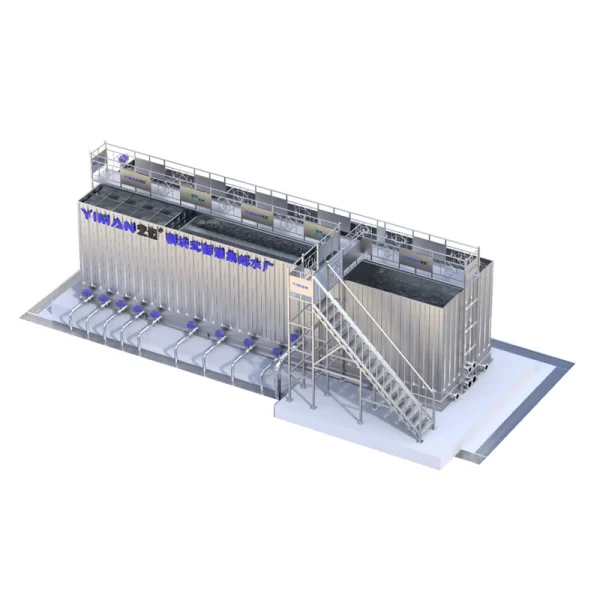
One-stop integrated water treatment systems bring the entire water journey, from source to discharge, under one roof. Instead of isolated equipment and handoffs, the framework ties each stage into a single architecture. It covers intake, purification, process water optimization, wastewater treatment, and potential water reuse. For instance, a system might integrate a Modular Integrated Water Plant for initial purification, followed by advanced filtration for specific industrial processes. The result is smooth operation and consistent water quality across all stages.
In contrast to fragmented systems where different vendors or departments manage individual components, integrated solutions provide a cohesive strategy. This includes the design, manufacturing, installation, and ongoing maintenance, all coordinated by a single provider. Such unified oversight minimizes compatibility issues and optimizes overall system performance. For example, a Direct Drinking Water System can be integrated into a facility’s overall water supply, ensuring high-quality potable water alongside industrial process water. This approach significantly reduces administrative burden and technical complexities for industrial clients.
The scope of integrated water treatment extends to specialized applications, such as managing high-temperature fluids. A Heat Conducting Oil Pump is vital for circulating thermal oil efficiently in industrial heating processes, demonstrating how specialized components fit into a broader integrated system. Similarly, for wastewater challenges, a Sewage Water Elevating System can be incorporated to manage effluent where gravity drainage is impractical. This unified approach ensures all water-related needs are met with coordinated, high-performance solutions.
Addressing Industrial Water Treatment Challenges
Industries face numerous water treatment challenges, including stringent regulatory requirements, high operational costs, and the need for consistent water quality. Non-integrated systems often amplify these issues, leading to operational inefficiencies and increased environmental risks. Disparate technologies that do not communicate effectively can cause suboptimal performance and higher resource consumption. These tensions create real pain points for operators trying to maintain efficiency and compliance.
For example, managing diverse waste streams requires specialized equipment. An Oil Water Separator System is essential for industries dealing with oily wastewater, preventing environmental contamination. Similarly, for solid waste, a Double Shaft Shredder can process various materials, reducing volume and facilitating recycling. These components, when integrated, address specific challenges efficiently.
| Challenge Type | Fragmented Approach | Integrated Approach |
|---|---|---|
| Operational Control | Multiple interfaces, manual adjustments | Centralized, automated control |
| Maintenance | Varied schedules, multiple vendors | Unified schedule, single provider |
| Compliance Risk | Inconsistent monitoring, potential gaps | Continuous monitoring, proactive adaptation |
| Resource Use | Higher energy/chemical consumption | Optimized, reduced consumption |
| Scalability | Difficult, costly upgrades | Modular, flexible expansion |
Streamlining Complex System Architectures
Integrated solutions simplify the complex system architectures that often plague industrial water treatment. With a unified design, all components, from pumps to treatment units, are engineered to work together as a single system. This reduces the need for extensive customization and troubleshooting between disparate platforms. For instance, the deployment of a VFD Controlled Booster System ensures stable pressure and flow across the entire network, optimizing performance and reducing wear on individual components. This cohesive design minimizes potential points of failure and enhances overall system reliability.
Optimizing Resource Utilization and Costs
Consolidating water treatment processes leads to meaningful reductions in operational expenditure. Integrated systems optimize energy consumption through efficient pump selection and intelligent control. For example, the use of IE3 Three Phase Electric Motor or IE4 Three Phase Electric Motor in pumps and other equipment can drastically lower electricity costs. Chemical use often falls due to precise dosing and improved treatment efficacy within a unified system. Labor costs decline as one team can manage and maintain the entire integrated infrastructure, rather than multiple specialists for each component.
Article Recommendation: If you are looking for ways to reduce your operational costs, you may find our article on “Optimizing Three Phase Asynchronous Motor Reliability in Pump Systems A Technical Guide” particularly insightful.
Strategic Advantages of Unified Water Solutions
Adopting unified water solutions provides significant strategic advantages for industrial operations. These benefits extend beyond operational efficiency, encompassing enhanced regulatory compliance, improved sustainability, and long-term infrastructure resilience. By integrating all aspects of water management, businesses gain a more predictable and controlled environment, better prepared for future challenges. This proactive stance helps water systems support broader business objectives.
For example, in critical applications like fire safety, a Vertical Turbine Fire Fighting Pump delivers reliable performance, essential for protecting assets and personnel. Similarly, for residential or public water supply, an Intelligent Digital Drived VFD Booster System ensures consistent pressure and flow, enhancing user experience and system longevity. These specialized systems are integral to a comprehensive water strategy.
Ensuring Regulatory Adherence and Risk Mitigation
Integrated water treatment systems inherently simplify compliance tracking and reporting. A unified platform enables comprehensive monitoring of effluent quality and resource usage, supporting adherence to evolving environmental standards. Centralized control reduces the risk of non-compliance and associated penalties. We implement advanced monitoring technologies within our systems, providing real-time data for proactive adjustments. This mitigates environmental risks and supports operational continuity.
Driving Innovation in Water Reuse and Recycling
A holistic approach accelerates water recycling and reuse initiatives, aligning with circular economy principles. Integrated systems can incorporate technologies like ultrafiltration and reverse osmosis to treat wastewater to a quality suitable for various non-potable applications. This reduces reliance on fresh water sources and minimizes discharge volumes. Our modular intelligent water plants are designed to support such initiatives, offering significant production capacities up to 50,000 m³/day for diverse applications.
Future Proofing Industrial Water Infrastructure
Integrated water systems are designed with modularity and scalability in mind, ensuring long-term adaptability. This allows industries to expand or modify their water treatment capabilities without overhauling the entire infrastructure. Advanced technologies, such as intelligent control systems and high-efficiency motors like the YBX4 Explosion Proof Three Phase Electric Motor, contribute to the resilience and longevity of these systems. This forward-thinking design helps industrial water infrastructure meet future demands and regulatory changes effectively.
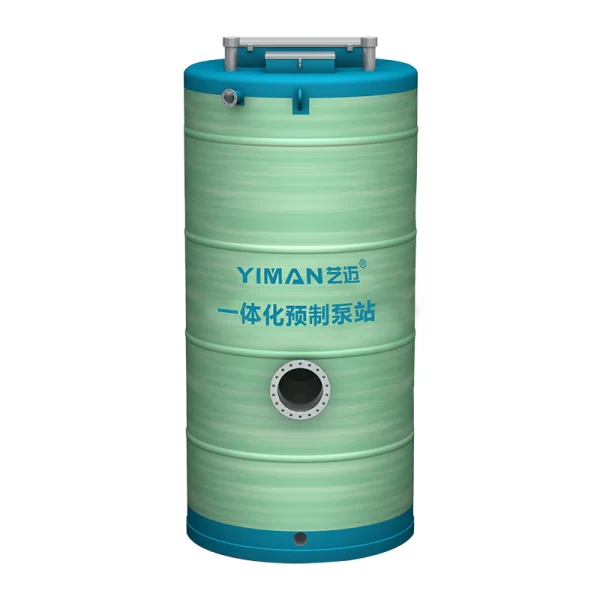
Article Recommendation: To understand how modern infrastructure benefits from integrated solutions, consider reading “Integrated Prefabricated Pump Stations The Smart Sustainable Choice for Modern Infrastructure”.
Implementing Integrated Water Treatment Successfully
Successful implementation of integrated water treatment requires careful planning and strategic partnerships. The first step involves a thorough assessment of current water usage, effluent characteristics, and future operational needs. This data-driven approach informs the design of a tailored solution. Next, selecting a provider with proven expertise in diverse water treatment technologies and project management is vital. Shanghai Yimai Industrial Co., Ltd. offers solutions from initial design to ongoing support.
Key considerations include the integration of various components such as pumps, filtration units, and control systems. For example, our Split Casing Double Suction Pump and Vertical Multi Stage Centrifugal Pump are designed for high efficiency and reliability, forming critical parts of an integrated system. Intelligent control systems ensure optimal performance with minimal human intervention, making operations more efficient.
The project management phase is critical for smooth deployment. This includes detailed scheduling, quality control, and rigorous testing to confirm all components function as intended. Post-installation, ongoing maintenance and technical support are vital for sustained performance and longevity. Our commitment extends to providing continuous service, ensuring your integrated water treatment system operates at peak efficiency for years to come. This end-to-end approach supports a successful transition to unified water management.
Article Recommendation: For insights into pump selection, we recommend “Picking the Right Water Pump A Step by Step Selection Guide”.
Transform Your Water Management
Power your operations with Shanghai Yimai Industrial Co., Ltd.’s expertise in one-stop integrated water treatment solutions. From advanced water pumps and booster systems to modular intelligent water plants and full-scope sewage treatment, we engineer efficiency, ensure compliance, and drive sustainability. Contact us to discuss how our integrated approach can turn your water management challenges into strategic advantages. Email: overseas1@yimaipump.com | Phone/WhatsApp: +86 13482295009
FAQs
What defines a ‘one-stop integrated water treatment’ provider?
A ‘one-stop integrated water treatment’ provider offers a full suite of water management solutions, covering everything from initial assessment and design to manufacturing, installation, and ongoing maintenance. This unified model ensures tight integration of components like water pumps, filtration systems, and wastewater treatment under a single, accountable source, simplifying project management and operations. Shanghai Yimai Industrial Co., Ltd. exemplifies this model by supplying a full range of equipment and services.
How does integrated water treatment impact operational costs?
Integrated water treatment systems are designed to reduce operational costs. By optimizing system design, consolidating procurement, and streamlining maintenance through a single vendor, industries can achieve higher energy efficiency, lower chemical consumption, and reduced labor requirements. This joined-up approach removes redundancies and maximizes resource use. Our VFD controlled booster systems and high-efficiency electric motors contribute directly to these cost reductions.
Can integrated water solutions improve environmental compliance?
Yes. Integrated water treatment solutions are inherently structured to enhance environmental compliance. A unified system ensures all stages of water treatment meet stringent regulatory standards, from intake to discharge. With a single provider managing the entire process, monitoring, reporting, and adaptation to changing environmental regulations become more efficient and reliable, reducing the risk of non-compliance. Our modular intelligent water plants are engineered to exceed national effluent standards.
What types of industries benefit most from one-stop water treatment?
A wide range of industries benefit from one-stop integrated water treatment, particularly those with complex water demands or significant wastewater discharge. This includes manufacturing, petrochemical, power generation, food and beverage, pharmaceuticals, and municipal utilities. Any industry seeking to improve efficiency, reduce costs, ensure compliance, and enhance sustainability in water management can gain from a unified solution. Our solutions cater to diverse needs, from direct drinking water systems to industrial wastewater treatment.