
Optimizing Industrial Heating: A Deep Dive into the Heat Conduction Oil Pump
The efficient transfer of heat is a cornerstone of numerous industrial processes, from petroleum refining to pharmaceutical manufacturing. At the heart of many such systems lies the heat conduction oil pump, a specialized centrifugal pump designed to circulate high-temperature thermal fluids. These pumps are critical for maintaining stable operating temperatures, ensuring process efficiency, and safeguarding equipment. Understanding their function, selection criteria, and maintenance is paramount for any industrial operation relying on thermal oil systems. We aim to provide comprehensive insights into this vital component, highlighting its significance and how to optimize its performance.
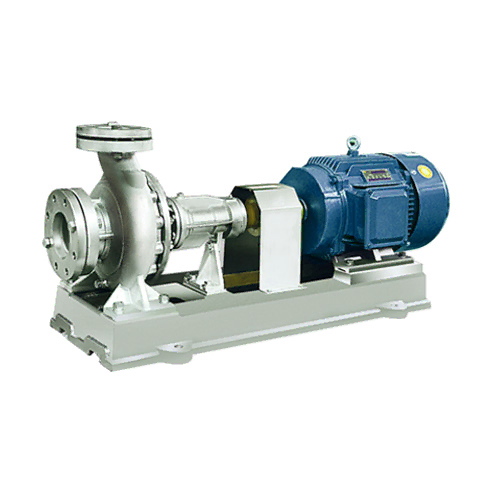
The heat conduction oil pump operates within closed-loop systems, where it continuously circulates thermal oil to transfer heat from a source to various applications. Unlike water, thermal oil can operate at much higher temperatures without boiling, making it ideal for processes requiring elevated heat levels. The pump’s role is to overcome the system’s resistance and maintain a consistent flow rate, ensuring uniform heat distribution. Its design incorporates specific features to handle the demanding conditions of high temperature and potentially corrosive media, differentiating it from standard centrifugal pumps.
Why Reliable Heat Conduction Oil Pumps Matter for Industrial Efficiency
Reliability in a thermal oil system directly correlates with the performance of the heat conduction oil pump. Any failure or inefficiency in the pump can lead to significant operational disruptions, costly downtime, and even safety hazards. For industries such as petroleum, lubricants, and construction, consistent heat supply is not just about productivity but also about product quality and regulatory compliance. A robust pump ensures continuous operation, which translates into stable production schedules and reduced operational costs. The ability of these pumps to handle media temperatures up to 350°C, as seen in our offerings, underscores their critical role in high-temperature applications.
Key Design Elements of a High-Performance Thermal Oil Pump
The design of the heat conduction oil pump is tailored to its challenging operating environment. Key elements include the materials of construction, the sealing mechanism, and the overall hydraulic design. High-temperature applications demand materials that resist thermal stress and corrosion. Mechanical seals, often combined with gland seals, are crucial for preventing leakage of expensive and potentially hazardous thermal oil. Furthermore, the pump’s impeller and casing are engineered for optimal flow characteristics at high temperatures, minimizing cavitation and maximizing efficiency. These design considerations directly impact the pump’s lifespan and overall system performance.
Understanding the Technical Parameters for Optimal Selection
Selecting the correct heat conduction oil pump requires a thorough understanding of its technical parameters and how they align with specific application needs. Parameters such as maximum flow rate, maximum head, and media temperature are critical. For instance, a pump with a max flow rate of 500 m³/h and a max head of 125 m, like our Heat Conducting Oil Pump, can cater to a wide range of industrial demands. The maximum power of 160 kW further indicates its capacity for heavy-duty applications. Considering the pumping media, which should be low-corrosive liquid without solid particles, is also essential for longevity.
| Parameter | Description | Importance |
|---|---|---|
| Max Flow Rate | Volume of liquid pumped per unit time | Determines system capacity and heat transfer speed |
| Max Head | Maximum height the pump can lift the fluid | Essential for overcoming system resistance and elevation |
| Media Temperature | Maximum operating temperature of the fluid | Crucial for material selection and seal integrity |
| Seal Type | Mechanism preventing fluid leakage | Impacts safety, maintenance, and operational costs |
| Pumping Media | Characteristics of the fluid being pumped | Influences material compatibility and pump longevity |
Real-World Application of Heat Conduction Oil Pumps
In a recent project for a major pharmaceutical company, we encountered a challenge with an existing thermal oil system that suffered from frequent pump failures due to inadequate sealing and material degradation at high temperatures. The client needed a solution that could reliably maintain a process temperature of 280°C for extended periods. We recommended and installed a specialized heat conduction oil pump with enhanced mechanical seals and high-grade stainless steel components. The new pump not only eliminated leakage issues but also improved the system’s overall thermal stability, leading to a 10% reduction in energy consumption for heating. This experience underscores the importance of selecting pumps specifically designed for demanding high-temperature applications.
Maintenance Best Practices for Thermal Oil Pumps
Proper maintenance is crucial for extending the lifespan and ensuring the continuous, efficient operation of the heat conduction oil pump. Regular inspections should focus on the mechanical seal for any signs of leakage, bearing conditions, and motor performance. Thermal oil quality should also be monitored, as degradation can lead to increased viscosity and reduced heat transfer efficiency, putting additional strain on the pump. Adhering to manufacturer-recommended service intervals and using genuine replacement parts are essential practices. Proactive maintenance, rather than reactive repairs, significantly reduces the likelihood of unexpected downtime and costly emergency interventions.
Enhancing System Performance with Advanced Control
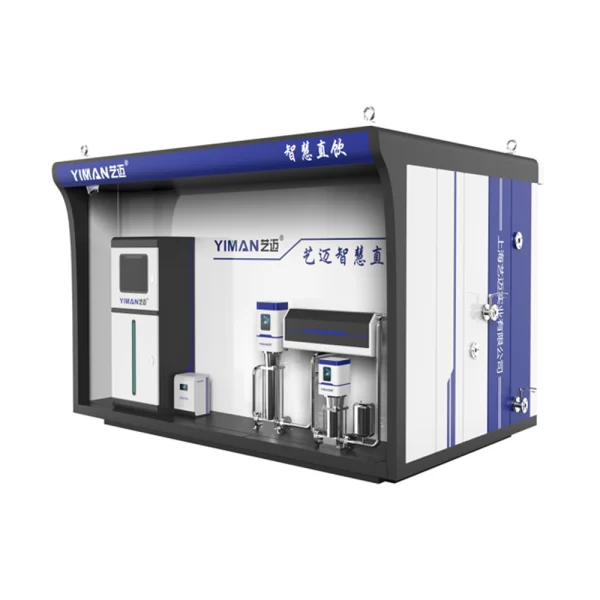
Beyond the pump itself, integrating advanced control systems can further optimize the performance of thermal oil circuits. Variable Frequency Drives (VFDs), for example, allow precise control over pump speed, matching flow rates to real-time process demands. This not only saves energy but also reduces wear and tear on the pump, extending its operational life. For comprehensive system management, an Intelligent Digital Driven VFD Booster System, with its wide flow and head capabilities, offers advanced control and monitoring features that can be adapted to thermal oil applications, even though it’s primarily designed for water systems. Such integration can lead to significant operational efficiencies and cost savings.
Expert Insight into Future Trends
The industrial landscape is continuously evolving, and we anticipate a growing demand for the heat conduction oil pump with enhanced energy efficiency and predictive maintenance capabilities. As industries strive for sustainability and operational excellence, the focus will shift towards pumps that not only perform reliably but also consume less energy and provide early warnings of potential failures. We foresee the integration of IoT sensors and AI-driven analytics becoming standard, allowing for real-time monitoring and optimized maintenance schedules. For instance, leveraging the principles of intelligent control seen in systems like the Intelligent Digital Driven VFD Booster System, which boasts a maximum overload capacity of 120% and IP65 protection, could be adapted to thermal oil pumps. This would enable more responsive and resilient thermal management, pushing the boundaries of what is possible in high-temperature fluid circulation.
About the Author
The Shanghai Yimai Industrial Co., Ltd. content team comprises seasoned engineers and industry specialists with extensive hands-on experience in industrial pumping solutions, water treatment systems, and waste management technologies. Our expertise is rooted in practical application and a deep understanding of the challenges faced by various industries. We are committed to providing accurate, reliable, and insightful information to help our clients make informed decisions and optimize their operations.
Contact our specialists to explore tailored solutions for your industrial heating needs.
FAQs
Q1: What is the primary function of the heat conduction oil pump in an industrial setting?
A1: The primary function of the heat conduction oil pump is to circulate high-temperature thermal oil within a closed-loop system, facilitating efficient heat transfer from a heat source to various industrial processes that require elevated temperatures.
Q2: How does a heat conduction oil pump differ from a standard water pump?
A2: Heat conduction oil pumps are specifically designed with heat-resistant materials and robust mechanical seals to handle high-temperature thermal oils (up to 350°C) and prevent leakage, whereas standard water pumps are not built for such extreme conditions.
Q3: What industries commonly use heat conduction oil pumps?
A3: Industries such as petroleum, lubricants, boilers, construction, road maintenance, pharmaceuticals, plastics, rubber, fiber-reinforced textiles, dyeing, and food processing frequently utilize the heat conduction oil pump for their high-temperature heating requirements.
Q4: What is the typical lifespan of the heat conduction oil pump?
A4: The lifespan of the heat conduction oil pump varies depending on factors such as operating conditions, maintenance practices, and the quality of the thermal oil. With proper selection, installation, and regular maintenance, these pumps can operate reliably for many years, often exceeding a decade.
Q5: Can a heat conduction oil pump be repaired, or does it always need replacement?
A5: Many components of the heat conduction oil pump, such as mechanical seals, bearings, and impellers, can be repaired or replaced. However, extensive damage to the casing or motor might necessitate a full pump replacement, depending on the cost-effectiveness of the repair.
Keyword: the heat conduction oil pump, thermal oil pump, high-temperature pump, industrial heating solutions, centrifugal pump