Optimizing Sewage Water Elevating Systems for Modern Infrastructure
Sewage water elevating systems are critical components in urban and industrial infrastructure, ensuring the efficient and hygienic transport of wastewater. These systems become indispensable in scenarios where gravity drainage is impractical, such as underground facilities, low-lying areas, or locations distant from main sewage lines. We understand the complexities involved in managing wastewater, and our focus remains on providing reliable, high-performance solutions that meet stringent environmental and operational standards. Our advanced sewage water elevating systems are designed to address common challenges like clogging, energy consumption, and maintenance, offering a comprehensive approach to wastewater management.
The Need for Advanced Sewage Water Elevating Systems
Modern urbanization and industrial development often present significant challenges for wastewater management. Traditional gravity-fed systems are not always feasible, particularly in areas with varied topography or deep underground structures. This creates a demand for robust and efficient sewage water elevating systems. These systems actively pump wastewater from lower elevations to higher ones, or over long distances, integrating seamlessly into broader sewage networks. The proper functioning of these systems directly impacts public health, environmental protection, and the operational continuity of commercial and residential facilities.
Core Components of an Elevating System
A typical sewage water elevating system comprises several key components, each playing a vital role in its overall functionality and reliability. Understanding these components helps in proper selection, installation, and maintenance. The main elements include collection tanks, pumps, control panels, and piping. Each part is engineered to handle the corrosive and abrasive nature of wastewater, ensuring longevity and consistent performance. Our systems are designed with these considerations in mind, emphasizing durability and operational efficiency.
Collection Tanks and Basins
Collection tanks, also known as wet wells, serve as temporary storage for wastewater before it is pumped. These tanks are typically constructed from corrosion-resistant materials such as fiberglass, concrete, or polyethylene. Their design often incorporates features to minimize solids accumulation and facilitate easy cleaning. The size of the tank is crucial, determined by the anticipated inflow rate and pumping frequency, ensuring an adequate buffer for peak flows. Proper sizing prevents frequent pump cycling, which can reduce pump lifespan and increase energy consumption.
Specialized Sewage Pumps
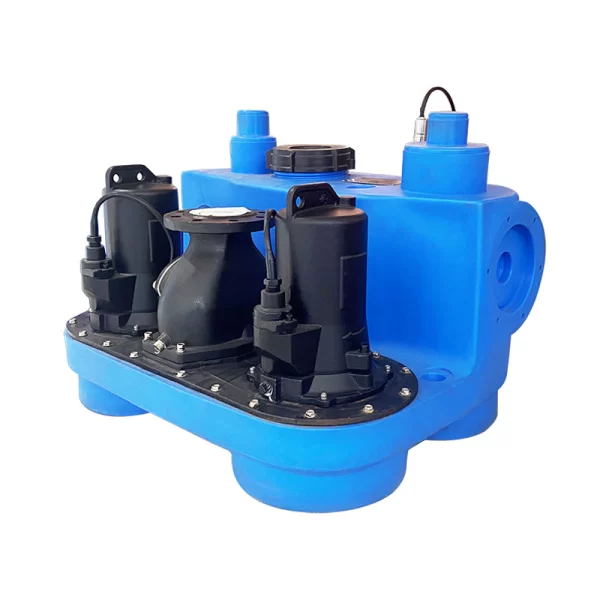
The heart of any sewage water elevating system is the pump. Unlike standard water pumps, sewage pumps are specifically designed to handle liquids containing solids, debris, and sometimes corrosive chemicals. Our Sewage Water Elevating System utilize robust pump models (YMWM, YMWP, YMWB) that feature powerful motors and specialized impellers capable of passing large solids without clogging. These pumps are often submersible, operating directly within the wet well, which reduces noise and saves space. The selection of the right pump depends on factors such as flow rate, head, and the nature of the wastewater.
Intelligent Control Panels
Control panels manage the operation of the pumps, integrating various sensors and safety features. These panels typically include level sensors that detect the wastewater level in the collection tank, activating or deactivating pumps as needed. Advanced control systems incorporate features like alternating pump operation to ensure even wear, alarm systems for malfunctions, and variable frequency drives (VFDs) for energy optimization. A well-designed control panel enhances system reliability and minimizes human intervention.
Robust Piping and Valves
The piping network transports wastewater from the collection tank to the discharge point. These pipes must be durable, resistant to corrosion, and sized appropriately to handle the flow without excessive friction loss. Check valves prevent backflow into the collection tank when pumps are off, while isolation valves allow for maintenance and repair without shutting down the entire system. Proper installation and material selection for piping are crucial for long-term system integrity.
Advantages of Our Sewage Water Elevating Systems
We offer sewage water elevating systems that deliver superior performance and reliability, addressing the critical needs of diverse applications. Our systems are engineered with a focus on efficiency, durability, and ease of maintenance, providing a comprehensive solution for wastewater management. We prioritize advanced features that translate into tangible benefits for our clients, ensuring smooth and uninterrupted operation.
Enhanced Reliability and Durability
Our systems are built with high-quality, corrosion-resistant materials, ensuring a long operational life even under harsh conditions. The robust construction of our pumps and components minimizes the risk of breakdowns, providing consistent performance. This durability reduces the frequency of repairs and replacements, leading to lower long-term operational costs. We understand that reliability is paramount in wastewater management, and our designs reflect this commitment.
Energy Efficiency
Energy consumption is a significant operational cost for pumping systems. Our sewage water elevating systems incorporate energy-efficient motors and, in some configurations, variable frequency drives (VFDs). These technologies optimize pump speed based on demand, significantly reducing power consumption. For example, our Intelligent Digital Driven VFD Booster System (Flow: 5 ~ 900+ m³/h, Power: 0.37 kW ~ 22 kW) demonstrates our commitment to energy savings across various applications. This intelligent control not only saves energy but also extends the lifespan of the pumps by reducing mechanical stress.
Clog-Free Operation
Clogging is a common issue in sewage systems, leading to downtime and increased maintenance. Our pumps feature specialized impellers and large-passage designs that effectively handle solids and fibrous materials found in wastewater, preventing blockages. This design minimizes the need for manual intervention to clear clogs, ensuring continuous operation and reducing maintenance efforts. We prioritize designs that can manage the unpredictable nature of sewage content.
Compact and Adaptable Design
Our systems are designed for easy installation and integration into various environments, including confined spaces. The compact footprint of our units allows for flexible placement, making them suitable for subway stations, underground shopping malls, and parking lots. The modular nature of some components also facilitates scalability, allowing systems to be adapted to changing flow requirements. This adaptability ensures our solutions can meet specific project needs.
Application Fields and Case Studies
Sewage water elevating systems are indispensable across a wide range of applications where gravity drainage is not feasible. These systems play a crucial role in maintaining sanitation and preventing flooding in various urban and industrial settings. Our experience spans numerous successful implementations, demonstrating the versatility and effectiveness of our solutions.
Urban Infrastructure
In urban environments, these systems are vital for managing wastewater in underground facilities like subway stations and parking garages. They also serve low-lying residential and commercial areas, ensuring that sewage is effectively transported to higher main sewer lines. Without efficient sewage water elevating systems, these critical urban spaces would face significant public health and operational challenges.
Commercial and Industrial Settings
Commercial buildings, such as large shopping malls and hotels, often have extensive underground areas that require effective wastewater removal. Industrial facilities, particularly those with complex layouts or processes that generate significant wastewater, also rely on these systems. Our systems provide the necessary capacity and reliability for these demanding environments, ensuring compliance with wastewater discharge regulations.
Residential Developments
Modern residential complexes, especially those built on challenging terrains or with basements, benefit from sewage water elevating systems. These systems prevent sewage backup and ensure the hygienic disposal of household wastewater, contributing to a clean and safe living environment. We have successfully deployed systems in numerous residential projects, enhancing their overall infrastructure.
The Importance of System Maintenance
Regular maintenance is crucial for ensuring the long-term efficiency and reliability of any sewage water elevating system. Proactive maintenance helps prevent costly breakdowns, extends equipment lifespan, and maintains optimal performance. We provide comprehensive guidance and support for maintaining our systems, ensuring their continuous operation.
Routine Inspections
Scheduled inspections should include checking pump performance, motor health, and the condition of electrical connections and sensors. Inspecting the wet well for excessive solids buildup and ensuring proper float switch operation are also critical steps. Early detection of minor issues can prevent them from escalating into major problems.
Cleaning and De-clogging
Regular cleaning of the wet well and pump impellers is essential to prevent solids accumulation and potential clogging. Our systems are designed to minimize clogging, but periodic cleaning ensures optimal flow and efficiency. Following manufacturer recommendations for cleaning frequency and methods is important.
Component Replacement
Over time, certain components like seals, bearings, and electrical contacts may wear out. Replacing these parts as part of a preventive maintenance schedule can significantly extend the overall system life and prevent unexpected failures. We offer genuine replacement parts to ensure compatibility and performance.
Expert Insight
The future of sewage water elevating systems lies in greater integration of smart technologies and enhanced material science. We anticipate a growing demand for systems that offer real-time monitoring, predictive maintenance capabilities, and even greater energy efficiency. For instance, the current Sewage Water Elevating System models boast a Max Flow Rate of 130 m³/h and Max Head of 60 m, indicating a strong foundation for handling substantial wastewater volumes. Future iterations will likely push these boundaries further while incorporating advanced sensor networks and AI-driven analytics to optimize operation and minimize environmental impact. This evolution will be particularly crucial for expanding urban areas and industries facing stricter environmental regulations.
Contact our specialists to explore tailored solutions.
About the Author
The author is a seasoned SEO content strategist at Shanghai Yimai Industrial Co., Ltd., specializing in industrial equipment and infrastructure solutions. With extensive experience in technical writing and digital marketing, the author focuses on creating informative, authoritative, and engaging content that adheres to Google’s E-E-A-T standards. The goal is to provide valuable insights and practical information to professionals in the water treatment and industrial sectors.
FAQs
Q1: What are the primary benefits of investing in a high-quality sewage water elevating system?
A1: Investing in a high-quality sewage water elevating system ensures reliable wastewater transport, prevents environmental contamination, and minimizes operational disruptions. It also contributes to long-term cost savings through reduced maintenance and energy consumption, offering a robust solution for challenging drainage situations.
Q2: How does a sewage water elevating system prevent clogging?
A2: Our sewage water elevating systems are designed with specialized impellers and large-passage pump designs. These features allow the pumps to handle solids and fibrous materials effectively, significantly reducing the risk of clogging and ensuring continuous, trouble-free operation.
Q3: Can these systems be customized for specific project requirements?
A3: Yes, our sewage water elevating systems can be customized to meet diverse project needs. We offer various models with different flow rates, heads, and control options. This flexibility ensures that our solutions integrate seamlessly into unique urban, commercial, or industrial applications.
Q4: What is the typical lifespan of a well-maintained sewage water elevating system?
A4: A well-maintained sewage water elevating system can have an extended operational lifespan, often exceeding 10-15 years. Regular inspections, timely cleaning, and proactive replacement of worn components are key to maximizing durability and ensuring consistent performance over time.
Q5: What kind of maintenance is required for a sewage water elevating system?
A5: Maintenance for a sewage water elevating system typically involves routine inspections of pumps, motors, and electrical components, along with periodic cleaning of the wet well and impellers. It also includes checking and replacing worn parts like seals and bearings to ensure optimal functionality.
Keywords
Keyword: Sewage water elevating system, wastewater management, pump station, urban infrastructure, industrial drainage