Optimizing Water Pump Reliability for Industrial Operations
Industrial water pumps keep operations running. When they fail without warning, you’re looking at halted production, emergency repair bills, and the kind of downtime that makes accountants nervous. After years working with industrial water systems, I’ve seen what separates facilities that struggle with constant pump issues from those that rarely think about them. The difference usually comes down to a few core practices that aren’t complicated but require consistency.
Why Pump Reliability Matters More Than Most Realize
Reliable industrial water pumps do more than move fluid from point A to point B. They maintain the rhythm of entire production lines. A pump failure during peak operations doesn’t just mean fixing one piece of equipment. It means cascading delays, potential equipment damage from interrupted cooling or process flows, and financial hits that extend far beyond the repair invoice. Taking pump reliability seriously isn’t about being overly cautious. It’s about protecting everything downstream of that pump.
Building Reliability Into Pump Selection and Installation
Long-term pump reliability starts before the pump ever runs. Material selection needs to match what you’re actually pumping and the conditions you’re pumping it under. Get this wrong, and you’re fighting corrosion and wear from day one.
The Heat Conducting Oil Pump handles temperatures up to 350°C because it’s built with heat-resistant materials and mechanical seals designed for that environment. The Vertical Multi Stage Centrifugal Pump comes in Cast Iron, SS304, or SS316L specifically because different applications demand different chemical and temperature resistance.
| Material Type | Common Applications | Corrosion Resistance | Temperature Range |
|---|---|---|---|
| Cast Iron | General water, HVAC | Moderate | -15°C to 120°C |
| SS304 | Mildly corrosive | Good | -15°C to 120°C |
| SS316L | Corrosive fluids | Excellent | -15°C to 120°C |
| Specialty | High-temp, abrasive | Varies | Up to 350°C |
Installation matters just as much. Misalignment or piping stress introduces vibration that wears components faster than any fluid ever could. I’ve seen pumps fail in months because someone rushed the installation and created stress points that showed up later as bearing failures.
Staying Ahead of Problems Through Proactive Maintenance
Waiting for something to break is expensive. Scheduled inspections, proper lubrication, and replacing components before they fail completely keeps pumps running and prevents those 2 AM emergency calls.
Recognizing How Pumps Actually Fail
Most pump failures follow predictable patterns. Cavitation happens when vapor bubbles form and collapse inside the pump, eating away at internal surfaces. You can hear it sometimes, a crackling or rattling sound that shouldn’t be there. Bearings fail when lubrication runs low or vibration gets excessive. Mechanical seals leak when they’re installed wrong, when the materials don’t match the fluid, or when abrasive particles wear them down.
Addressing these root causes through pump cavitation prevention and careful bearing analysis prevents small issues from becoming major failures.
Setting Maintenance Schedules That Actually Work
How often a pump needs service depends on how hard it’s working. A Vertical Turbine Fire Fighting Pump running continuously needs more frequent attention than one sitting on standby. Manufacturer guidelines provide a starting point, but real-world operating data tells you what your specific pumps actually need. The goal is finding the balance where you’re catching problems early without over-maintaining equipment that’s running fine.
Using Monitoring Technology to Predict Problems
Modern sensors and analytics have changed what’s possible in pump maintenance. Instead of guessing when something might fail, you can watch it happen in real time and act before it becomes critical.
Vibration analysis catches imbalances and misalignment early. Thermal imaging spots overheating bearings or electrical issues. IoT sensors track performance continuously, flagging anomalies that human inspections might miss. These remote diagnostics let you schedule maintenance around actual equipment condition rather than arbitrary calendar dates.
| Feature | Traditional Maintenance | Predictive Maintenance |
|---|---|---|
| Detection Method | Reactive (failure-based) | Proactive (data-driven) |
| Downtime | High, unscheduled | Low, scheduled |
| Cost | High repair costs | Lower, planned costs |
| Component Life | Shorter | Extended |
| Monitoring | Manual inspections | Automated, continuous |
| Data Utilization | Limited | Extensive analytics |
Running Pumps the Right Way Every Day
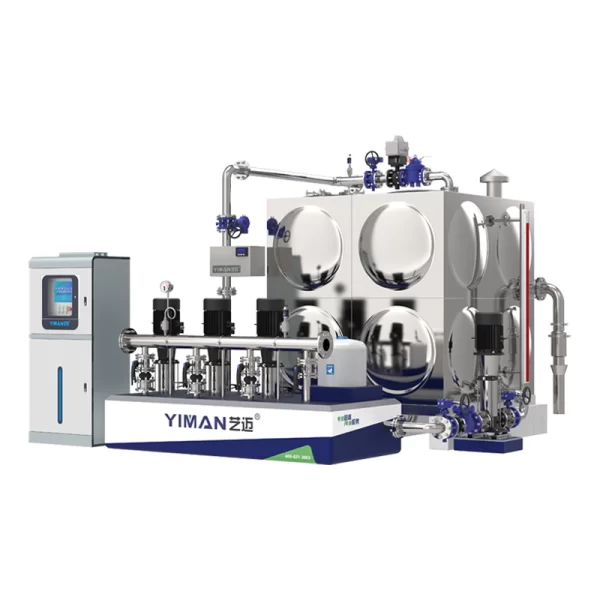
Even well-designed, well-maintained pumps suffer when operated carelessly. Proper sizing ensures the pump works within its design envelope rather than straining against conditions it wasn’t built for. Variable Frequency Drives let pumps adjust speed to match actual demand, reducing both energy consumption and mechanical wear.
Some operational mistakes show up quickly. Running a pump dry destroys seals in minutes. Operating outside the preferred range stresses components unnecessarily. Others accumulate slowly, like consistently running at flows that create inefficient hydraulic conditions. Paying attention to fluid dynamics and system pressure keeps pumps healthy over the long term.
Upgrading Equipment for Better Performance and Longer Life
Sometimes the best reliability investment is replacing or upgrading existing equipment. VFD integration benefits include precise speed control that reduces mechanical stress and cuts energy costs significantly.
Switching to energy efficient pump solutions with IE3 or IE4 motors delivers ongoing operational savings. Our IE3 and IE4 Three-Phase Electric Motors represent the current standard for efficiency. Replacing worn components with modern alternatives often makes more sense than repeatedly repairing older designs. These upgrades improve reliability while reducing what you spend over the equipment’s lifetime.
Putting It All Together
Reliable industrial water pumping comes from doing several things consistently rather than any single magic solution. Start with the right materials and proper installation. Maintain proactively based on actual operating conditions. Use monitoring technology to catch problems early. Operate within design parameters. Upgrade strategically when it makes sense.
This approach reduces unexpected failures, improves efficiency, and keeps operations running smoothly. At Shanghai Yimai Industrial Co., Ltd., we build these principles into our products and recommendations because we’ve seen what works over thousands of installations.
Partner With Shanghai Yimai Industrial Co., Ltd. for Reliable Pumping Solutions
For expertise in electrical motors, water pumps, and integrated water solutions, Shanghai Yimai Industrial Co., Ltd. brings professional manufacturing and real-world experience to every project. Our systems are designed for the operational demands that industrial facilities actually face. Reach out to discuss your specific pumping requirements.
Email: overseas1@yimaipump.com
Phone/WhatsApp: +86 13482295009
Frequently Asked Questions About Water Pump Reliability
What factors most affect how long a water pump lasts?
Pump lifespan depends on getting the sizing and installation right from the start, maintaining consistently rather than reactively, operating within the pump’s design limits, and managing fluid quality. Monitoring for cavitation and bearing wear catches problems before they cause failures. These factors shape our design choices and maintenance recommendations for the Vertical Multi Stage Centrifugal Pump and Split Casing Double Suction Pump product lines.
How does remote monitoring improve pump reliability?
Remote monitoring with IoT sensors provides continuous data on vibration, temperature, and pressure. Instead of discovering problems during scheduled inspections or after something breaks, you see anomalies developing in real time. This enables maintenance before failures occur, improving pump efficiency optimization and eliminating most unscheduled downtime. The Intelligent Digital Drived VFD Booster System includes this monitoring capability.
Why does fluid quality matter so much for pump longevity?
What flows through a pump directly affects how long it lasts. Abrasive particles grind away at impellers and seals. Corrosive chemicals attack internal surfaces. Excessive temperatures stress materials and seals. Proper filtration and matching pump materials to fluid chemistry prevents accelerated wear. The Stainless Steel Single Screw Pump uses SUS304 and SUS316 construction specifically for applications requiring chemical resistance.