Preventing Clogging in Lifting Systems: A Comprehensive Guide
Clogging in lifting systems can bring operations to a halt faster than almost anything else—I’ve seen a smooth shift turn into an emergency call-out in minutes. Over time, we’ve found that the surest way to stay ahead of it is to understand why clogs form, then bake prevention into both design and day-to-day routines. With the right pump selection, smart screening, thoughtful hydraulics, and consistent maintenance (plus a few well-chosen technologies), reliability climbs, equipment lasts longer, and fluid transfer runs the way it should—quietly and efficiently.
Understanding the Root Causes of Clogging in Lifting Systems
Clogging in lifting systems stems from various factors, impacting efficiency and increasing maintenance demands. Identifying these underlying issues is the first step toward developing effective prevention strategies. We analyze the common culprits that compromise system performance.
1. Identifying common solid waste and debris
Solid waste and debris are primary contributors to clogging. These materials include rags, wipes, plastics, and other non-biodegradable items. They accumulate within pumps, pipes, and wet wells, restricting flow and damaging components. Undersized or poorly designed screens often fail to capture these solids effectively.
2. Analyzing the impact of fats, oils, and grease (FOG)
Fats, oils, and grease (FOG) pose a significant challenge, especially in wastewater lifting systems. FOG congeals and adheres to pipe walls and pump impellers, reducing pipe diameter and impeding pump operation. This buildup creates sticky matrices that trap other solid debris, exacerbating clogging issues. The presence of FOG often necessitates specialized cleaning and treatment methods.
3. Recognizing the role of system design flaws
Inadequate system design significantly contributes to clogging. Design flaws include insufficient pump capacity for expected solids loading, inappropriate pipe diameters, and poorly configured sumps or wet wells. Sharp bends in piping or abrupt changes in elevation can also create areas where solids accumulate. Correct design ensures smooth flow and minimizes potential blockage points.
4. Understanding operational and maintenance deficiencies
Operational and maintenance deficiencies frequently lead to clogging. Irregular inspection schedules, inadequate cleaning protocols, and delayed repairs allow minor issues to escalate. Lack of proper training for personnel on system operation and preventative maintenance also contributes to these problems. Consistent, well-executed maintenance is essential for preventing blockages.
Implementing Effective Design Strategies to Minimize Clogging Risks
Effective design is foundational to preventing clogging in lifting systems. We focus on strategies that integrate advanced technologies and optimized configurations to ensure reliable operation. These measures address potential clog points before they become critical issues.
1. Optimizing pump selection for challenging media
Selecting the correct pump type is paramount for handling challenging media containing solids and fibrous materials. Non-clog pumps, such as vortex or chopper pumps, are designed with large passages or cutting mechanisms to pass solids without obstruction. We consider factors like impeller design, flow rate, and head requirements to match the pump to the specific application. For example, our Stainless Steel Single Screw Pump is ideal for viscous fluids with solids, offering consistent flow and pressure.
2. Incorporating pre-screening and grinding technologies
Pre-screening and grinding technologies are crucial for reducing the size of incoming solids. Screens remove larger debris, while grinders or macerators break down smaller solids into manageable particles. Installing these systems upstream of pumps protects downstream equipment and prevents blockages. This proactive approach significantly reduces maintenance frequency and costs.
3. Designing sumps and wet wells for efficient flow
Proper sump and wet well design prevents solids from settling and accumulating. We design sumps with sloped bottoms and minimal corners to promote self-cleaning velocities and direct solids towards the pump intake. Adequate sizing ensures sufficient retention time without allowing excessive solids deposition. This design principle minimizes dead zones where debris can collect.
4. Ensuring proper pipe sizing and configuration
Correct pipe sizing and configuration maintain adequate flow velocity, preventing solids from settling. Pipes should be sized to achieve self-cleaning velocities at minimum flow conditions. Avoiding sharp bends, unnecessary fittings, and sudden diameter changes reduces turbulence and potential catch points for debris. Smooth transitions and gradual changes in direction are critical for clog prevention.
Best Practices for Operational Maintenance to Prevent Clogging
Consistent and proactive operational maintenance is indispensable for maintaining clog-free lifting systems. We emphasize scheduled interventions and intelligent monitoring to ensure continuous, efficient operation. These practices extend equipment life and reduce unexpected failures.
1. Establishing routine inspection and cleaning schedules
Regular inspections identify potential clogging issues early, preventing their escalation. We recommend daily visual checks and weekly detailed inspections of pumps, wet wells, and screens. Implementing a comprehensive cleaning schedule, including periodic wet well washdowns and pipe flushing, removes accumulated debris and FOG. This routine maintenance is vital for system longevity.
2. Utilizing smart monitoring and control systems
Smart monitoring and control systems provide real-time data on system performance, detecting anomalies that indicate impending clogs. Sensors can monitor pump current, vibration, and liquid levels, triggering alarms or automatic adjustments when parameters deviate from normal. This predictive maintenance approach minimizes manual intervention and prevents costly breakdowns. Our Intelligent Digital Drived VFD Booster System offers advanced monitoring capabilities.
3. Adopting effective waste management protocols
Implementing strict waste management protocols at the source prevents problematic materials from entering the lifting system. Educating users about what not to flush or dispose of in drains significantly reduces solid waste ingress. For industrial applications, pre-treatment steps, such as grease traps and industrial screens, are essential. These measures reduce the burden on the lifting system.
4. Training personnel on preventative maintenance techniques
Well-trained personnel are critical for effective clog prevention. We provide comprehensive training on proper operation, routine inspection procedures, and troubleshooting common issues. Empowering operators with the knowledge to identify and address minor problems proactively prevents major system failures. Continuous training ensures adherence to best practices.
Advanced Solutions and Technologies for Clog Prevention
Shanghai Yimai Industrial Co., Ltd. offers advanced solutions and technologies specifically designed to combat clogging in lifting systems. Our products integrate innovative engineering with practical application to ensure maximum efficiency and reliability. We provide tailored solutions for diverse industrial and municipal needs.
1. Exploring Yimai’s Sewage Water Elevating System for reliable operation
Our Sewage Water Elevating System is engineered for locations lacking gravity drainage, such as basements and underground facilities. These systems feature robust pumps and integrated controls capable of handling sewage with solids, minimizing clogging risks. Their intelligent design ensures reliable and efficient wastewater transfer, reducing manual intervention. We have seen significant improvements in uptime for our clients using these systems. You may also be interested in Optimizing Your Sewage Elevating System for Peak Performance.
2. Leveraging Oil-Water Separator Systems to manage FOG
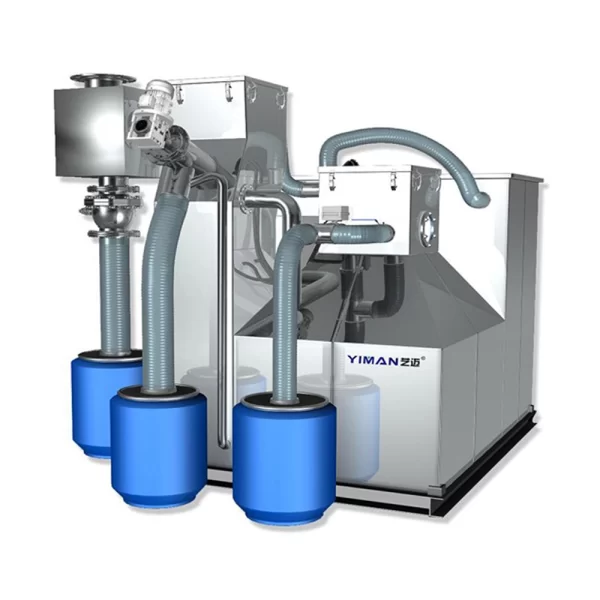
Fats, oils, and grease (FOG) are major contributors to clogging. Our Oil Water Separator Sewage Elevator System effectively removes FOG from wastewater streams before it enters the lifting system. These systems prevent FOG buildup in pipes and pumps, protecting equipment and reducing maintenance. They are particularly vital for the catering industry and food processing plants.
| Parameter | Value Range |
|---|---|
| Model | YMGY |
| Treatment Capacity | 10 – 50 m³/h |
| Max Head | 30 m |
| Max Heating Temp. | 60 ℃ |
| Application Fields | Catering, malls, hospitals, food processing |
3. Implementing Double Shaft Shredders for waste reduction
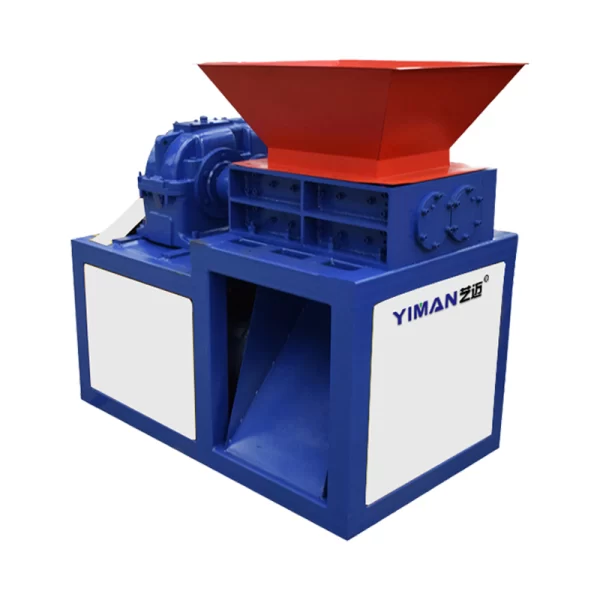
For environments with high solid waste content, our Double Shaft Shredder Machine provides an effective solution. These shredders reduce large, bulky waste into smaller, manageable particles, preventing them from clogging pumps and pipes. This technology is applicable across various waste streams, including municipal, industrial, and construction waste.
4. Considering intelligent integrated water plant solutions
Intelligent integrated water plant solutions offer a holistic approach to water management, including advanced wastewater treatment and lifting. These systems incorporate smart sensors, automated controls, and efficient pumping mechanisms to prevent clogging and optimize overall performance. They ensure consistent water quality and reliable operation with minimal human oversight. For more information, read Modular Integrated Water Plant The Future of Smart Water Management Revolutionizing Efficiency and Sustainability.
The Long-Term Benefits of a Clog-Free Lifting System
A clog-free lifting system delivers substantial long-term benefits, impacting operational efficiency, cost savings, and environmental compliance. These advantages contribute to a more sustainable and reliable infrastructure. We observe these positive outcomes across various industries.
1. Reducing operational costs and energy consumption
Preventing clogs directly translates to lower operational costs. Reduced instances of pump failures and pipe blockages decrease the need for emergency repairs and specialized cleaning services. Efficient flow, unhindered by obstructions, also minimizes energy consumption as pumps operate within their optimal performance range. This leads to significant savings over the system’s lifespan.
2. Extending equipment lifespan and minimizing downtime
Clogging causes excessive wear and tear on pumps, motors, and other components, shortening their operational life. By preventing clogs, we extend the lifespan of critical equipment, delaying costly replacements. Minimized downtime ensures continuous operation, preventing disruptions to essential services or production schedules. This enhances overall system reliability.
3. Enhancing environmental compliance and safety
Clog-free systems reduce the risk of sewage overflows and environmental contamination, ensuring compliance with regulatory standards. Fewer blockages also create a safer working environment for maintenance personnel, reducing exposure to hazardous materials and confined spaces. This commitment to safety and compliance is paramount.
4. Improving overall system efficiency and reliability
Ultimately, a comprehensive clog prevention strategy leads to improved system efficiency and reliability. Consistent performance, reduced maintenance burdens, and extended equipment life contribute to a more robust and dependable lifting system. This ensures that critical fluid transfer operations proceed without interruption.
Partner with Yimai for Clog-Free Lifting Solutions
Ensuring your lifting systems operate efficiently and without interruption is critical. At Shanghai Yimai Industrial Co., Ltd., we specialize in providing advanced, reliable solutions designed to prevent clogging and optimize performance. Our expertise spans a wide range of products, from Sewage Water Elevating System to Double Shaft Shredder Machine. We are committed to delivering innovative and sustainable solutions tailored to your specific needs. Contact us today to discuss how we can help you achieve a clog-free and highly efficient lifting system.
Email: tony@yimaipump.com
Phone/WhatsApp: +86 134 8229 5009
About the Author
As a Senior SEO Content Strategist for Shanghai Yimai Industrial Co., Ltd., I combine industry know-how with technical depth to share practical insights on fluid management and industrial equipment. My work centers on data-driven, real-world solutions that improve operational efficiency, lower costs, and build long-term reliability for our clients’ systems.
FAQs
1. What are the most common materials that cause clogging in lifting systems?
The most common materials causing clogs include non-biodegradable items like rags, wet wipes, plastics, and sanitary products. Additionally, solidified fats, oils, and grease (FOG) create sticky matrices that trap these solids, exacerbating blockages. Proper waste disposal and pre-screening are essential to mitigate these issues.
2. How often should a lifting system be inspected for potential clogging issues?
We recommend daily visual checks for obvious issues and detailed inspections at least weekly. A comprehensive internal inspection and cleaning should occur quarterly or semi-annually, depending on the system’s usage and the nature of the media being lifted. Smart monitoring systems can also provide continuous oversight.
3. Can pump selection significantly impact clogging prevention?
Yes, pump selection is crucial. Pumps designed specifically for handling solids, such as vortex or chopper pumps, significantly reduce clogging compared to standard centrifugal pumps. Matching the pump’s hydraulic characteristics and impeller design to the specific media and solids content is vital for effective clog prevention.
4. What role do smart technologies play in preventing clogs?
Smart technologies, including sensors and automated control systems, provide real-time monitoring of pump performance, liquid levels, and flow rates. They can detect anomalies indicative of impending clogs, trigger alarms, or initiate preventative actions like pump reversals or increased flow, thus minimizing manual intervention and downtime.
5. How can Yimai’s products contribute to a clog-free lifting system?
Yimai offers specialized products like our Sewage Water Elevating System with robust pumps for solids, Oil Water Separator Sewage Elevator System to manage FOG, and Double Shaft Shredder Machine for waste reduction. These integrated solutions work together to prevent clogs, protect equipment, and ensure efficient, reliable operation across various applications.