Preventing Settlement in Pump Station Bases: A Comprehensive Guide
Pump station infrastructure is absolutely crucial for keeping our cities and industries running smoothly, especially when it comes to managing water. But let’s be honest, these systems face a ton of headaches. One that really grinds my gears is base settlement. It’s not just some minor annoyance; it genuinely messes with the structural integrity of these stations and, in turn, how well they actually work. From what I’ve seen, tackling this beast isn’t a simple fix. You really need to throw everything at it – I’m talking about some serious geotechnical analysis mixed with rock-solid engineering solutions. My gut tells me, and our experience backs this up, that you’ve got to be proactive. That’s the only way to ensure these critical systems stay stable and perform reliably for the long haul.
Understanding the Critical Problem of Pump Station Base Settlement
1. What is pump station base settlement and why does it occur
So, what exactly is pump station base settlement? Think of it as the foundation of the pump station slowly, or sometimes not so slowly, sinking into the ground. It’s a downward creep, essentially. This usually happens because the soil underneath decides to change its mind. You know, things like the soil not being packed down enough when it was first built, or maybe you’ve got a weird mix of soil types with different strengths. Then there are those annoying fluctuating groundwater levels, or even worse, compressible soils like clay or peat that just love to squish. And let’s not forget the sheer weight of the pump station itself, plus all those pumps vibrating away – that just makes everything worse over time.
2. The significant risks and consequences of base settlement
Now, if you let this settlement go unchecked, you’re looking at some serious trouble for both the pump station’s daily grind and how long it’s actually going to last. If it settles unevenly, that’s when the real headaches start. You get cracks – in the foundation, the walls, even the pipes! This kind of structural damage isn’t just unsightly; it compromises the whole system. We’re talking leaks, equipment getting knocked out of alignment, and in the worst cases, a complete breakdown. Operationally, this means you’re shelling out more for maintenance, your pumps aren’t working as efficiently, and you’re facing unexpected downtime. That can really mess up essential water or wastewater services. And in those truly nightmare scenarios, the whole thing could just collapse, which is a huge safety risk and a massive bill for reconstruction.
3. Identifying early warning signs of settlement in pump stations
Catching settlement early is like finding a small leak before it becomes a flood – absolutely vital for keeping things from getting out of hand. Engineers and operators really need to keep their eyes peeled for a few key things. Those visible cracks in the concrete, whether they’re running up and down or side to side, are often a dead giveaway that something’s moving underneath. If your pumps, pipes, or other mechanical bits start looking a bit wonky or out of line, that’s another big clue. Sometimes, even a change in how noisy or shaky the equipment is can point to structural stress. And if you start seeing puddles around the base where there shouldn’t be any, or the groundwater levels are acting weird, those are definitely red flags. Honestly, regular visual checks and keeping an eye on performance are your best friends for spotting these signs quickly.
Comprehensive Geotechnical Investigation and Site Preparation Strategies
1. Conducting thorough soil analysis and site surveys
Look, if you want any pump station project to actually succeed, you have to start with a rock-solid geotechnical investigation. It’s the foundation of everything. This means really digging in – literally – with detailed soil analysis. We’re talking boreholes, those cone penetration tests (CPTs), and then hauling soil samples back to the lab for testing. All this tells you what the soil is made of, how dense it is, its shear strength, and how much it’s likely to compress. That’s absolutely critical info for designing the foundation. And don’t forget the site surveys; they help map out what’s going on underground, pointing out any potential geological hazards or spots where the soil is just plain weak. This meticulous data collection lets engineers get ahead of the game, anticipating settlement issues and designing ways to prevent them.
2. Effective ground improvement techniques for unstable soils
So, what happens when your soil analysis comes back and says, “Uh oh, this ground is unstable or super compressible”? Don’t panic! There are tons of ways to beef up the ground, making it stronger and less likely to settle. You’ve got dynamic compaction, which is basically dropping really heavy weights to squish granular soils together. Or there’s vibro-compaction and vibro-replacement, where vibrating probes either compact loose soil or swap it out for something denser. Grouting is another cool trick – you inject a mixture into the soil to solidify those weak spots. And for really squishy soils, you can preload them with extra weight or install vertical drains to speed up the consolidation process. Choosing the right technique really depends on the soil, how big the project is, and, let’s be real, how much money you’re willing to spend.
3. Implementing proper drainage and dewatering solutions
Water management, my friends, is absolutely paramount if you want to avoid settlement. High groundwater or just plain bad surface drainage can turn your soil into a soggy mess, weakening it and making settlement a real risk. That’s why you need robust drainage systems – think French drains or those perforated pipes buried underground – to shunt water away from the pump station’s base. If you’re dealing with consistently high groundwater, dewatering techniques like well points or deep wells can temporarily lower the water table during construction. For the long haul, you might even need permanent perimeter drains or cutoff walls to keep that groundwater from sneaking in. Good drainage means the soil moisture stays stable, and that’s key to keeping your foundation intact.
Advanced Foundation Design and Construction Methods
1. Designing robust foundations for varying soil conditions
Designing a foundation isn’t a one-size-fits-all deal; it has to be custom-made for the specific soil conditions you found during your geotechnical investigations. If you’ve got nice, stable soil that can bear a lot of weight, a shallow foundation like spread footings or a mat foundation might do the trick. But if you’re dealing with softer, more compressible stuff, you’re probably looking at deep foundations – piles or caissons – to push the load down to stronger layers. The design also has to consider both the static weight of the structure and the dynamic loads from those pumps humming away. It’s all about making sure the load is spread out properly and not putting too much stress on the soil underneath. Honestly, advanced computer modeling helps a ton in optimizing these designs for long-term performance.
2. Utilizing integrated pre-casting and prefabricated pump station solutions
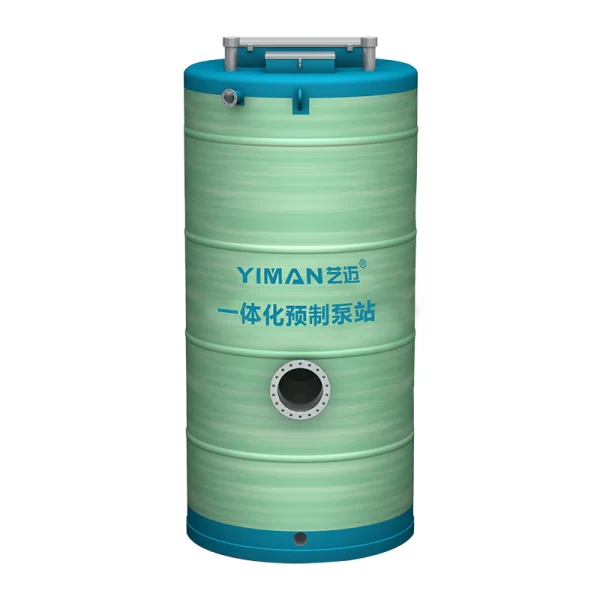
You know, modern construction is really leaning into integrated pre-casting and prefabricated pump station solutions these days. Systems like the Prefabricated pump station offer so many advantages when it comes to preventing settlement. They’re built off-site in controlled environments, which means top-notch quality and super precise dimensions. Plus, they’re modular, so you can snap them together quickly on-site. That cuts down on exposure to bad weather and minimizes all that ground disturbance you get with traditional construction. The integrated design often includes really tough base structures that are specifically engineered for the site, which just makes them more resistant to settlement. And they’re easier to install, too, making them a smart, sustainable choice for today’s infrastructure.
3. Best practices for concrete pouring and curing to prevent settlement
The quality of your concrete work, believe it or not, plays a huge role in how well a pump station resists settlement. Getting the concrete pouring right means minimizing air pockets and making sure everything’s uniformly dense. That includes using the right mixes, keeping an eye on the water-cement ratio, and vibrating the concrete to get rid of any trapped air. But just as important is the curing process – that’s what lets the concrete reach its full strength. Proper curing, whether it’s water curing, membrane curing, or even steam curing, stops it from drying out too fast and cracking. These practices really boost the concrete’s durability and its ability to bear weight, which, in turn, gives you a stable, long-lasting foundation.
Monitoring and Maintenance for Long-Term Stability
1. Implementing continuous monitoring systems for base stability
If you want your pump station bases to stay stable for the long haul, continuous monitoring systems are an absolute must. These clever systems use all sorts of sensors – tiltmeters, extensometers, piezometers – to keep tabs on ground movement, how the structure is deforming, and even groundwater levels. All that data gives you real-time insights into how the foundation is performing, letting engineers spot those tiny changes that might signal settlement is brewing. Catching things early means you can jump in and fix minor issues before they blow up into huge problems. Smart systems can even pull all this data together for predictive maintenance, which is pretty cool.
2. Regular inspection and preventive maintenance protocols
Beyond all the fancy automated monitoring, you absolutely cannot skip regular physical inspections and preventive maintenance. Your scheduled inspections should always include a good visual check for cracks, any signs of water getting in, and if equipment is looking out of alignment. Maintenance protocols should cover things like routinely cleaning drainage systems, fixing any small foundation damage, and making sure all mechanical components are perfectly aligned. Being proactive with maintenance really extends the life of your pump station and protects its structural integrity from all those settlement-related stresses.
3. Remedial actions for addressing minor settlement issues
When you do spot minor settlement issues, acting fast can stop things from getting worse. For localized settlement, techniques like underpinning – think micro-piles or grout injection – can really help stabilize the affected areas. If equipment is out of whack, re-leveling or shimming it can get things back to normal. But here’s the kicker: you also need to address the root cause, whether that’s improving drainage or strengthening weak soil, for any long-term fix. Trust me, ignoring minor settlement is just asking for more damage down the road and way higher repair costs.
The Role of High-Quality Materials and Engineering Expertise
1. Selecting durable materials for pump station construction
The materials you pick directly impact how well a pump station can stand up to settlement and, frankly, how long it’s going to last. High-strength, corrosion-resistant concrete is non-negotiable for foundations and structural bits. You also need good waterproofing membranes and sealants to keep moisture out, because moisture can really weaken soil and concrete. And for piping, durable stuff like ductile iron or high-density polyethylene (HDPE) can handle minor movements without cracking under pressure. Choosing materials that can tough out environmental stresses and operational demands is how you ensure your pump station performs robustly for decades.
2. The importance of experienced engineering and construction teams
Successful pump station projects, in my humble opinion, absolutely hinge on the expertise of the engineering and construction teams. You need experienced geotechnical engineers who can accurately assess the site and design the right foundations. Structural engineers are crucial for making sure the whole pump station structure is sound. And then you need skilled construction teams who can execute that design with precision, following all the best practices for excavation, foundation installation, and concrete work. Their combined knowledge and meticulous attention to detail are what prevent settlement and guarantee the infrastructure’s long-term reliability. If you are interested in how we ensure quality, check 《Russian customers’ in-depth visit to Yimai: Witnessing the core production techniques of motors and pumps》.
3. Integrating intelligent systems for enhanced structural integrity
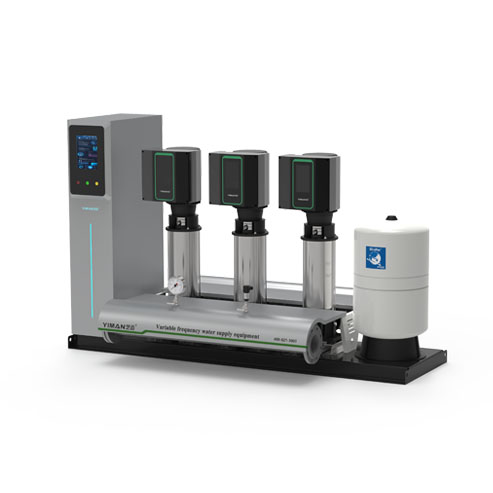
Bringing intelligent systems into the mix really boosts a pump station’s structural integrity and how efficiently it runs. These systems can include smart sensors for constant monitoring, automated controls for the pumps, and even advanced data analytics platforms. For example, an Intelligent Digital Driven VFD Booster System can fine-tune pump operations, cutting down on those dynamic loads and vibrations that contribute to settlement. Similarly, a Sewage Water Elevating System can have smart controls to manage flow and prevent hydraulic surges. These technologies give you predictive capabilities, meaning you can do proactive maintenance and seriously reduce the risk of settlement-related failures.
Partner with Shanghai Yimai Industrial for Robust Pump Station Solutions
Ensuring your pump stations stay stable and run efficiently for years to come really boils down to having expert knowledge and reliable solutions. Here at Shanghai Yimai Industrial Co., Ltd., we’re all about providing those integrated pre-casting and prefabricated pump stations that are specifically engineered to prevent settlement and stand strong against even the toughest environmental conditions. Our wide range of products – from advanced water pumps to booster water systems and smart control solutions – means your infrastructure will be both robust and super efficient. Don’t hesitate to reach out today to chat about your project needs; let’s figure out how our expertise can really make a difference for you. Email: tony@yimaipump.com Phone/WhatsApp: +86 134 8229 5009
FAQs
1. How often should a pump station base be inspected for settlement?
You know, pump station bases really should be checked regularly for settlement, usually once a year as part of your overall maintenance plan. But if you’re in an area with really unstable soil, or there’s seismic activity, or even just big swings in groundwater levels, then you should definitely be looking more often – maybe every six months or even quarterly. Those continuous monitoring systems are great because they give you real-time data, which perfectly complements your physical inspections and lets you react immediately if something looks off.
2. What are the most common causes of pump station base settlement?
From what I’ve seen, the most common culprits behind pump station base settlement are usually things like the soil not being compacted enough during construction, or having really squishy soils like clay or peat underneath. Fluctuating groundwater tables are a big one too, as are the dynamic loads from the pumps themselves. Poor drainage, seismic activity, or even nearby digging and construction can also play a role in causing settlement.
3. Can existing pump station settlement be fully remediated?
While you might not always be able to get it back to “brand new” condition, you can definitely address significant settlement issues pretty effectively. Typically, you’re looking at things like underpinning techniques – micro-piles or grout injection – to stabilize the foundation. Re-leveling structural components and fixing damaged parts are also common. How much remediation you need really depends on how bad the settlement is and what caused it in the first place.
4. What role do integrated pre-casting pump stations play in preventing settlement?
Integrated pre-casting pump stations are fantastic for minimizing settlement risks because of their controlled manufacturing process and super robust design. They offer superior structural integrity, consistent material quality, and really precise engineering, all of which are crucial for resisting ground movement. Plus, they get installed quickly, which means less disturbance to the site, further reducing potential settlement issues compared to those traditional, poured-in-place constructions.
5. How does soil type influence the choice of foundation design for a pump station?
Soil type is absolutely critical when it comes to foundation design. If you’ve got cohesive soils like clays, you’ve got to think about consolidation settlement. Granular soils, like sands and gravels, are more prone to immediate settlement. Engineers use all that geotechnical data to pick the right foundations – maybe shallow footings for strong, stable soils, or deep piles/caissons for weak, compressible, or variable ground conditions. It’s all about making sure the foundation effectively transfers loads to the right bearing strata.