Smart Plant Technologies for Industrial Energy Reduction
Smart Plant Technologies Cut Industrial Energy Costs
Industrial facilities burn through energy at rates that make finance teams wince. Most plants operate with blind spots—equipment running harder than necessary, processes cycling when they shouldn’t, systems fighting each other instead of working together. The gap between current consumption and what’s actually needed is often wider than anyone realizes until someone finally measures it properly.
Smart plant technologies close that gap. Sensors, automation, predictive systems, and integrated platforms give operators the visibility and control to trim waste without sacrificing output. The savings compound over time as systems learn and optimize. Here’s how these technologies work in practice and what they deliver.
IoT Sensors Create Visibility Into Energy Waste
The Internet of Things gives plants something they’ve never had before: granular, real-time data on where energy actually goes. Sensors attached to individual assets track consumption patterns continuously, revealing inefficiencies that periodic audits miss entirely.
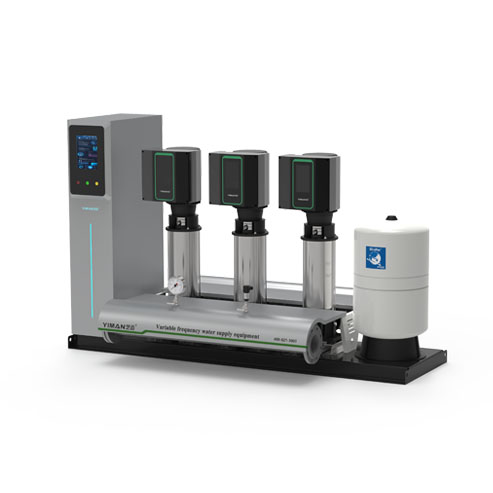
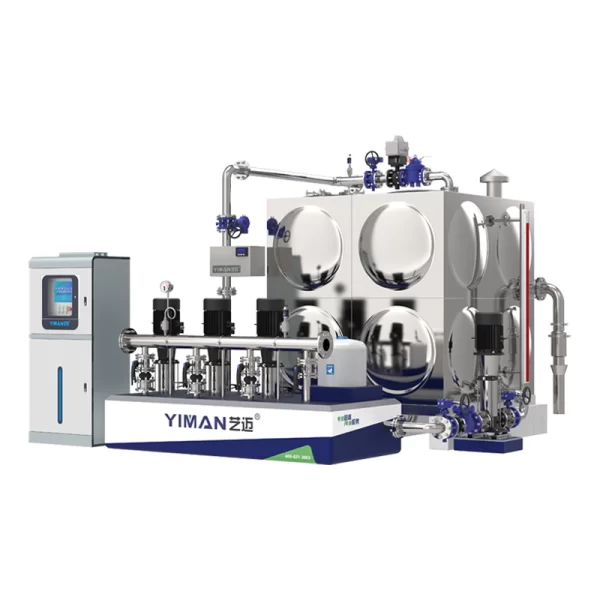
Consider a booster system running at constant speed regardless of actual demand. Without monitoring, that waste stays invisible. Our Intelligent Digital Driven VFD Booster System uses internal CAN communication and external RS485 to track flow and pressure in real time. The system adjusts output to match actual needs rather than running at fixed capacity. Energy that would otherwise dissipate as heat or excess pressure stays in the budget.
This visibility extends across entire production lines. Power consumption for individual machines can be isolated, compared, and optimized. When a compressor starts drawing more current than its neighbors doing identical work, that anomaly surfaces immediately rather than hiding in aggregate utility bills.
Predictive analytics layer on top of this data. Equipment schedules shift based on actual conditions rather than fixed timers. Peak demand charges drop when systems coordinate their heavy draws. The foundation is simple—measure everything, adjust constantly—but the results accumulate into substantial savings.
Automation Systems Eliminate Manual Inefficiency
Programmable Logic Controllers and SCADA systems manage industrial processes with precision that manual operation can’t match. These systems hold machinery within optimal operating ranges, preventing the drift toward inefficiency that happens when human attention wanders or shift changes introduce inconsistency.
Variable frequency drives represent one of the clearest wins. Our VFD Controlled Booster System adjusts pump speed according to actual demand rather than running at full capacity and throttling output mechanically. Pressure adjustment accuracy reaches ≤0.01 MPa—tight enough to prevent over-pressurization while maintaining required flow. In pump and fan applications, VFDs routinely cut energy consumption by 30-50%.
The motors themselves matter too. Our IE3 and IE4 Three-Phase Electric Motors meet IEC60034/IEC60072 standards for high efficiency. The difference between an IE2 and IE4 motor might seem small on paper, but across thousands of operating hours the gap becomes significant. These motors integrate into broader automation solutions, providing reliable power without the losses that cheaper alternatives accept as normal.
| Automation Technology | Energy Saving Impact | Examples |
|---|---|---|
| Variable Frequency Drives (VFDs) | Up to 50% in pump/fan applications | VFD Controlled Booster System |
| PLCs & SCADA | Optimized process control, reduced waste | Industrial control systems |
| Robotics | Precision, reduced rework, consistent operation | Automated assembly lines |
| Energy-Efficient Motors | Reduced electrical consumption | IE3 and IE4 motors |
Robotics contribute through consistency. A robot executing the same motion thousands of times doesn’t get tired, distracted, or sloppy. Material waste drops. Rework—which consumes energy twice for the same output—becomes rare. The efficiency gains aren’t always obvious in energy terms, but they’re real.
Predictive Maintenance Catches Problems Before They Waste Energy
Equipment doesn’t fail suddenly in most cases. It degrades. Bearings wear, seals leak, windings develop hot spots. During this degradation period, efficiency drops—sometimes dramatically—before anyone notices a problem. A motor drawing 15% more current than normal might run for months before failing, wasting energy the entire time.
Predictive maintenance systems monitor equipment health continuously, flagging deviations from baseline performance. AI and machine learning identify patterns that indicate impending problems. Maintenance happens when needed, not on arbitrary schedules that either come too late or waste resources on equipment that’s running fine.
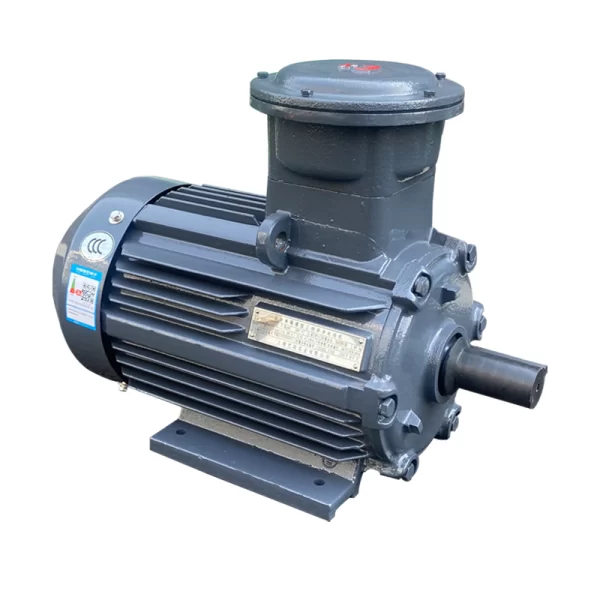
Our YBX3 and YBX4 Explosion-Proof Three-Phase Electric Motors operate in hazardous environments where unplanned downtime creates serious problems. Monitoring these motors for performance degradation allows maintenance scheduling that prevents both failures and the energy waste that precedes them. A motor running with worn bearings might consume 10-20% more power than one in good condition—waste that’s invisible without proper monitoring.
The financial case extends beyond energy savings. Predictive maintenance extends asset life, reducing capital expenditure on replacements. It prevents the cascade failures that happen when one component’s breakdown damages others. And it eliminates the energy waste of emergency repairs, which often involve running backup equipment that’s less efficient than primary systems.
Integrated Platforms Provide Unified Control
Most plants evolved piecemeal. HVAC runs on one system, production equipment on another, lighting on a third. Each system optimizes locally without considering how its decisions affect the others. The result is conflict—HVAC fighting process heat loads, lighting schedules misaligned with actual occupancy, production equipment cycling in ways that create demand spikes.
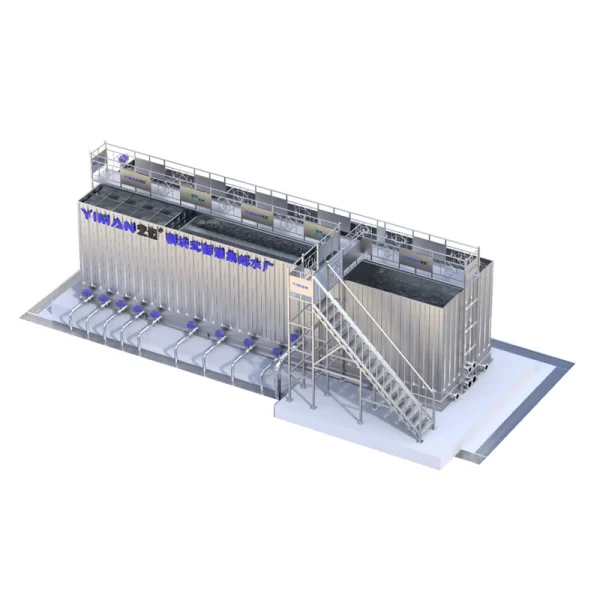
Integrated energy management platforms consolidate data from these disparate sources into a unified view. Optimization happens across systems rather than within silos. A Modular Integrated Water Plant benefits from this approach, managing filtration, treatment, and distribution processes together rather than as separate operations that happen to share a building.
These platforms also enable smart grid integration. Plants can respond to real-time pricing signals, shifting flexible loads to periods when electricity costs less. Demand response programs become practical when a platform can identify which loads can shift without affecting production. Some facilities generate revenue by providing grid services—reducing consumption on request during peak periods in exchange for payments from utilities.
Building management systems integrate naturally into this framework. Environmental controls that account for process heat loads, occupancy patterns, and weather forecasts operate more efficiently than systems running on fixed schedules. The holistic view reveals optimization opportunities that siloed systems miss entirely.
Renewable Energy and Storage Reduce Grid Dependence
Solar and wind power have reached price points that make them viable for industrial facilities, not just as environmental gestures but as genuine cost reduction strategies. The economics work particularly well for plants with daytime operations that align with solar generation peaks.
Battery storage extends the value of onsite generation. Excess energy produced during peak solar hours stores for use during evening shifts or demand spikes. This smooths consumption profiles, reducing demand charges that often represent a significant portion of industrial electricity costs. A Prefabricated Pump Station equipped with battery storage can maintain operations during grid outages or periods of high electricity prices.
| Renewable Energy Option | Key Benefit | Application Example |
|---|---|---|
| Solar Photovoltaic (PV) | Reduced electricity bills, lower emissions | Rooftop installations on factory buildings |
| Wind Turbines | Consistent power generation in suitable locations | Onsite power generation for large industrial sites |
| Battery Storage | Energy resilience, demand-side management | Storing solar power for night-time operations |
Our water pumps and booster systems often integrate with renewable energy sources for applications where grid connection is impractical or expensive. The combination of efficient equipment and clean power generation creates systems that operate reliably without ongoing fuel costs.
The strategic value extends beyond immediate savings. Energy independence reduces exposure to utility rate increases and grid instability. Facilities with onsite generation and storage can maintain critical operations during outages that shut down competitors. These resilience benefits are harder to quantify but increasingly valuable as grid reliability becomes less certain in some regions.
Financial Returns and Environmental Benefits Compound
The ROI calculation for smart plant technologies starts with reduced utility bills but extends further. Our VFD Controlled Booster System typically reduces energy consumption by up to 40% compared to constant-speed alternatives. For a system running continuously, that translates to thousands of dollars annually in a single application.
Predictive maintenance reduces capital expenditure by extending equipment life. Motors that might need replacement after 15 years run for 20 or more when maintained properly. The avoided replacement cost often exceeds the cumulative energy savings.
Environmental benefits follow naturally from reduced consumption. Lower energy use means lower emissions, whether the power comes from the grid or onsite generation. Our Organic Waste Treatment System converts waste streams into resources, addressing another environmental impact while potentially generating additional value from materials that would otherwise require disposal.
These improvements matter for regulatory compliance, customer relationships, and employee recruitment. Companies with credible sustainability programs face fewer regulatory hurdles, win contracts with environmentally conscious customers, and attract workers who prefer employers aligned with their values. The financial value of these benefits is real even when it’s difficult to quantify precisely.
Partner With Shanghai Yimai for Industrial Efficiency Solutions
Shanghai Yimai Industrial Co., Ltd. provides advanced water pumps, booster systems, and integrated intelligent water plants designed for energy efficiency. Our product range includes high-efficiency motor systems and comprehensive sewage treatment solutions. Contact us to discuss how these technologies can reduce your energy consumption and improve operational performance.
Email: overseas1@yimaipump.com | Phone/WhatsApp: +86 13482295009
Frequently Asked Questions
How do smart plants integrate renewable energy sources?
Smart plants connect solar panels, wind turbines, and battery storage through energy management systems that coordinate generation, consumption, and storage. These systems track real-time production from renewable sources and match it with facility loads, storing excess for later use. The integration reduces grid purchases during expensive peak periods while maintaining reliable power for operations. Battery systems provide buffer capacity that smooths the intermittency inherent in renewable generation.
What are the ROI benefits of smart plant energy reduction?
Financial returns come from multiple sources: lower utility bills from reduced consumption, avoided demand charges through load management, extended equipment life from predictive maintenance, and reduced downtime from proactive repairs. Many facilities see payback periods of two to four years on smart technology investments, with ongoing savings continuing indefinitely. Additional value comes from improved regulatory compliance, enhanced reputation with environmentally conscious customers, and competitive advantages in markets that prioritize sustainability.
Which smart technologies are most effective for industrial energy savings?
Variable frequency drives deliver some of the fastest paybacks, particularly in pump and fan applications where loads vary. IoT sensors and monitoring platforms provide the visibility needed to identify waste and verify savings. Predictive maintenance systems protect efficiency gains by catching degradation before it becomes significant. Integrated energy management platforms coordinate these individual technologies into systems that optimize across the entire facility rather than in isolated pockets.