
Understanding Integrated Pump Stations: Definition and Operation
Modern infrastructure demands efficient and reliable fluid management solutions. Integrated pump stations represent a significant advancement in this field, offering a streamlined approach to various pumping needs. We have observed a growing trend towards these compact, intelligent systems due to their operational advantages over traditional setups. This comprehensive overview will define integrated pump stations, explain their operation, outline their benefits, and explore their diverse applications.
What is an Integrated Pump Station
1. Defining the Integrated Pump Station Concept
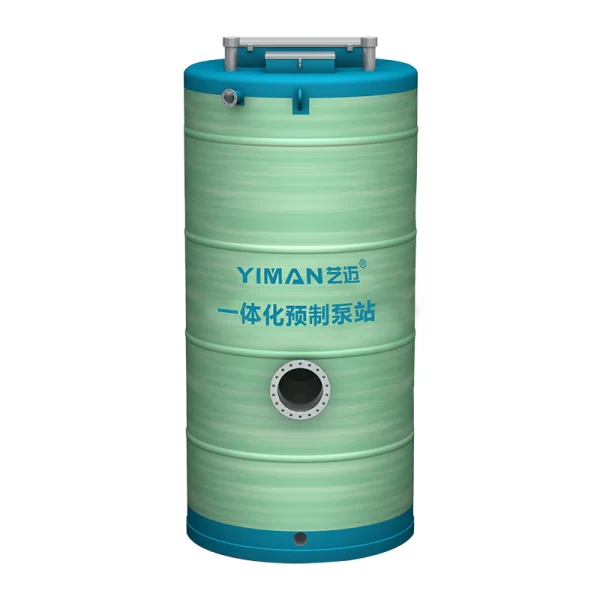
An integrated pump station, often referred to as a prefabricated pump station or packaged pump station, is a complete, self-contained pumping system. It combines pumps, motors, piping, valves, control systems, and often a wet well or sump, all housed within a single, compact unit. This design contrasts sharply with conventional pump stations, which typically require on-site construction and assembly of individual components. The integrated nature means these stations are manufactured off-site, then transported and installed as a single unit. This approach minimizes construction time and reduces on-site labor requirements.
2. Key Characteristics of Modern Integrated Pump Stations
Modern integrated pump stations possess several distinguishing characteristics that enhance their performance and user experience. Firstly, they feature a compact design, optimizing space utilization, which is crucial in urban environments or areas with limited footprint. Secondly, they incorporate intelligent control systems, enabling automated operation, remote monitoring, and predictive maintenance capabilities. Thirdly, these stations prioritize energy efficiency through optimized hydraulic designs and the use of high-efficiency motors, often paired with variable frequency drives (VFDs). Fourthly, their robust construction, typically using corrosion-resistant materials like fiberglass-reinforced plastic (FRP) or stainless steel, ensures long service life and minimal maintenance. Finally, they offer simplified installation, significantly reducing project timelines and associated costs.
3. The Evolution from Traditional Pumping Solutions
The shift from traditional pumping solutions to integrated pump stations marks a significant evolution in fluid management. Traditional pump stations typically involve extensive civil engineering works, including concrete wet wells and separate pump houses. This process is time-consuming, labor-intensive, and susceptible to weather delays and construction errors. Moreover, traditional systems often lack advanced automation and remote monitoring capabilities, leading to higher operational costs and less efficient performance. Integrated pump stations address these challenges by providing a factory-assembled, quality-controlled unit. This evolution offers superior performance, reduced environmental impact, and greater cost-effectiveness over the system’s lifecycle. The advantages are particularly evident in projects demanding rapid deployment and high reliability.
How Integrated Pump Stations Function
1. Core Components and Their Roles in the System
Integrated pump stations operate through a synchronized interplay of several core components.
1. Casing/Wet Well: This is the primary structural component, typically a cylindrical tank made from fiberglass-reinforced plastic (FRP) or concrete. It acts as a collection reservoir for the fluid being pumped.
2. Pumps: The heart of the system, pumps are selected based on the fluid type, flow rate, and head requirements. Submersible pumps are common in wastewater applications, while vertical or horizontal pumps are used for clean water.
3. Motors: These power the pumps. Modern stations often utilize high-efficiency motors, sometimes paired with variable frequency drives (VFDs), for optimal energy consumption.
4. Piping and Valves: Internal piping directs the fluid, while valves control flow, prevent backflow, and isolate components for maintenance.
5. Control Panel: This houses the electrical controls, programmable logic controllers (PLCs), and human-machine interface (HMI). It manages pump operation, monitors system parameters, and communicates with external systems.
6. Sensors: Level sensors, pressure transducers, and flow meters provide real-time data to the control system, enabling precise operation and fault detection.
7. Lifting Equipment: Cranes or guide rails facilitate easy installation and removal of pumps for maintenance.
2. The Hydraulic Design and Flow Dynamics
The hydraulic design of an integrated pump station is critical for its efficiency and performance. Engineers optimize the wet well geometry to minimize turbulence and prevent solids accumulation, ensuring smooth flow into the pumps. The selection of pumps involves detailed calculations to match the system’s head and flow requirements, often considering future demand. Computational Fluid Dynamics (CFD) is frequently employed to simulate fluid behavior within the station, refining the design for maximum efficiency and reduced energy consumption. This optimization extends to piping layouts, where bends and restrictions are minimized to reduce head losses. Proper hydraulic design ensures that pumps operate at their Best Efficiency Point (BEP), leading to lower operating costs and extended equipment life.
3. Intelligent Control Systems and Automation
Intelligent control systems are integral to modern integrated pump stations, enabling advanced automation and remote management. These systems typically feature Programmable Logic Controllers (PLCs) that monitor various parameters, such as fluid levels, pressure, and pump status. They automatically start and stop pumps based on demand, rotate pump usage for even wear, and detect potential faults. Remote monitoring capabilities allow operators to access real-time data, receive alerts, and control the station from a central location. This reduces the need for on-site personnel and facilitates rapid response to operational issues. Furthermore, integration with SCADA (Supervisory Control and Data Acquisition) systems enables comprehensive data logging and analysis, supporting predictive maintenance and operational optimization. This intelligent control contributes significantly to the station’s overall reliability and efficiency.
The Benefits of Integrated Pump Stations
1. Enhancing Efficiency and Energy Savings
Integrated pump stations significantly enhance efficiency and yield substantial energy savings. Their optimized design, including hydraulically efficient wet wells and precisely matched pumps, minimizes energy losses. The integration of Variable Frequency Drives (VFDs) allows pumps to operate at variable speeds, precisely matching output to demand. This demand-driven operation prevents unnecessary energy consumption associated with constant-speed pumps. Advanced control algorithms further refine pump scheduling, ensuring that the most efficient pump combinations are utilized. These factors collectively reduce electricity consumption, lowering operational costs and contributing to a smaller carbon footprint. We believe that incorporating such technologies is crucial for sustainable infrastructure development.
For more information on optimizing energy use, consider reading Building an Energy-Efficient Water Pumping System.
2. Simplifying Installation and Reducing Construction Time
The prefabricated nature of integrated pump stations drastically simplifies installation and reduces overall construction time. Unlike traditional pump stations that require extensive on-site civil works, integrated units arrive as complete, factory-tested assemblies. This minimizes the need for complex on-site excavation, concrete pouring, and component assembly. Installation typically involves preparing a foundation, lowering the unit into place, and connecting inlet, outlet, and electrical services. This streamlined process significantly shortens project timelines, reduces labor costs, and mitigates risks associated with adverse weather conditions. The rapid deployment capability makes them ideal for urgent projects or temporary installations.
3. Ensuring Reliability and Long-Term Durability
Integrated pump stations are engineered for high reliability and long-term durability. Manufacturers construct these units using robust, corrosion-resistant materials such as fiberglass-reinforced plastic (FRP) or high-grade stainless steel, ensuring resistance to aggressive fluids and harsh environmental conditions. Factory assembly and rigorous quality control procedures ensure that all components are correctly installed and tested before deployment, minimizing the risk of on-site errors. The intelligent control systems provide continuous monitoring and diagnostic capabilities, allowing for early detection of potential issues. This proactive approach to maintenance, coupled with high-quality components, extends the operational lifespan of the station and reduces unexpected downtime.
4. Minimizing Environmental Impact and Noise Pollution
Minimizing environmental impact and noise pollution represents a key advantage of integrated pump stations. Their compact, sealed design prevents leaks and odors, protecting surrounding ecosystems and communities. The use of high-efficiency motors and optimized hydraulic designs reduces energy consumption, thereby lowering greenhouse gas emissions. Furthermore, the enclosed nature of these stations significantly attenuates noise generated by pumps and motors, making them suitable for installation in residential or environmentally sensitive areas. This commitment to environmental stewardship aligns with modern sustainability goals and regulatory requirements.
Diverse Applications of Integrated Pump Stations
1. Water Supply and Pressurization in Urban Areas
Integrated pump stations are indispensable for water supply and pressurization in urban areas. They ensure consistent water pressure across various elevations and demand fluctuations in high-rise buildings and sprawling residential complexes. These stations are particularly effective in boosting water pressure in areas with insufficient municipal supply or for distributing water within large facilities. Their compact footprint allows for discreet installation in urban landscapes where space is at a premium. The intelligent control systems maintain precise pressure levels, preventing water hammer and optimizing energy use.
We offer solutions like the VFD Controlled Booster System: Intelligent Pressure Management for Energy and Water Savings which exemplify this application.
2. Effective Sewage Collection and Wastewater Treatment
Integrated pump stations play a crucial role in effective sewage collection and wastewater treatment. They are deployed in areas where gravity flow is not feasible, lifting wastewater from lower elevations to treatment plants or higher points in the sewer network. Their sealed design prevents odor emissions and leakage, which are critical considerations for public health and environmental protection. Robust submersible pumps handle raw sewage with solids, while intelligent controls manage pump cycles to prevent blockages and optimize flow. These stations are vital components in modern sanitation infrastructure, ensuring efficient and hygienic wastewater management.
For more details on wastewater solutions, refer to Optimizing Your Sewage Elevating System for Peak Performance.
3. Industrial Water Management and Process Applications
In industrial settings, integrated pump stations are essential for various water management and process applications. They handle the transfer of process water, cooling water, and industrial wastewater, often under demanding conditions. The ability to customize materials and pump types allows these stations to manage corrosive, abrasive, or high-temperature fluids. Examples include water circulation in manufacturing plants, chemical dosing systems, and effluent discharge control. Their reliability and automated operation ensure continuous process flow, minimize downtime, and comply with environmental regulations. The robust construction and intelligent controls are particularly valuable in harsh industrial environments.
4. Rural Drinking Water Upgrades and Agricultural Irrigation
Integrated pump stations are instrumental in rural drinking water upgrades and agricultural irrigation projects. In rural areas, they facilitate the distribution of clean drinking water to remote communities, often drawing from wells or surface water sources. Their ease of installation and minimal maintenance requirements make them suitable for locations with limited infrastructure. For agricultural irrigation, these stations provide reliable water supply to fields, optimizing water usage and supporting crop growth. They can be configured to manage varying flow rates and pressures required for different irrigation methods. These applications significantly improve living standards and agricultural productivity in rural regions.
Choosing the Right Integrated Pump Station Solution
1. Factors to Consider for Optimal System Selection
Selecting the optimal integrated pump station solution requires careful consideration of several key factors.
1. Fluid Type: Determine the characteristics of the fluid to be pumped, including viscosity, temperature, presence of solids, and corrosiveness. This influences pump material and type.
2. Flow Rate and Head: Accurately calculate the required flow rate (volume per unit time) and total dynamic head (vertical lift plus friction losses). These parameters dictate pump size and motor power.
3. Application: Identify the specific application (e.g., sewage, potable water, industrial process) as this impacts design features and regulatory compliance.
4. Site Constraints: Evaluate available space, soil conditions, and access for installation and maintenance. The compact design of integrated stations often provides flexibility.
5. Power Availability: Assess the electrical supply and consider the need for backup power sources, such as a fire fighting diesel engine for critical applications.
6. Environmental Conditions: Account for ambient temperature, humidity, and potential for freezing or extreme heat.
7. Automation and Monitoring: Define the level of intelligent control, remote monitoring, and data integration required.
8. Budget and Lifecycle Costs: Consider both initial capital expenditure and long-term operating and maintenance costs.
2. Customization Options for Specific Project Requirements
Integrated pump stations offer extensive customization options to meet specific project requirements. Manufacturers can tailor the wet well dimensions, material of construction, and internal coatings to suit various fluid types and environmental conditions. The number and type of pumps, ranging from submersible to vertical pump or Horizontal Pump, can be selected based on flow and head demands. Control systems are highly configurable, allowing for bespoke automation logic, communication protocols, and integration with existing SCADA systems. Additional features like odor control systems, heating/cooling, and specialized instrumentation can also be incorporated. This flexibility ensures that each integrated pump station is optimally designed for its intended purpose.
3. Maintenance and Operational Considerations for Longevity
Effective maintenance and operational practices are crucial for ensuring the longevity and reliable performance of integrated pump stations. Regular inspections of pumps, motors, seals, and control components are essential. Predictive maintenance, facilitated by intelligent control systems that monitor pump vibration, temperature, and electrical parameters, helps identify potential issues before they lead to failure. Routine cleaning of the wet well prevents solids buildup and maintains hydraulic efficiency. Operators should also verify the calibration of sensors and test safety features periodically. Adhering to manufacturer-recommended maintenance schedules and promptly addressing any anomalies will maximize the operational life and minimize unexpected downtime.
Contact Us
For expert guidance on selecting the ideal integrated pump station solution for your project, or to learn more about our comprehensive range of fluid management products, please contact Shanghai Yimai Industrial Co., Ltd. Our team of professionals is ready to assist you with tailored solutions that meet your specific needs and ensure optimal performance.
Email: tony@yimaipump.com
Phone/WhatsApp: +86 134 8229 5009
FAQs
1. What are the main advantages of an integrated pump station over a conventional one?
Integrated pump stations offer several key advantages. They feature a compact, prefabricated design, significantly reducing on-site construction time and costs. Their intelligent control systems enable automated operation, remote monitoring, and enhanced energy efficiency. Furthermore, they are typically built with corrosion-resistant materials, ensuring greater durability and reliability compared to conventional, custom-built stations. This leads to lower lifecycle costs and reduced environmental impact.
2. How does an integrated pump station contribute to energy efficiency?
Integrated pump stations contribute to energy efficiency through optimized hydraulic designs, which minimize energy losses. They often incorporate Variable Frequency Drives (VFDs) that allow pumps to adjust their speed according to real-time demand, preventing unnecessary energy consumption. Advanced control algorithms further optimize pump scheduling and operation, ensuring that the system runs at its most efficient point, thereby reducing electricity usage and operational expenses.
3. What kind of maintenance do integrated pump stations require?
Integrated pump stations generally require less maintenance than traditional systems due to their robust construction and intelligent monitoring capabilities. Routine maintenance includes periodic inspections of mechanical components (pumps, motors, seals), electrical systems, and sensors. Cleaning the wet well is also necessary to prevent solids accumulation. Predictive maintenance features, enabled by smart controls, help identify potential issues early, allowing for proactive intervention and minimizing unexpected breakdowns.
4. Can integrated pump stations be customized for specific project needs?
Yes, integrated pump stations are highly customizable. Manufacturers can tailor various aspects, including the size and material of the wet well, the type and number of pumps, and the specifications of the control system. Customization extends to incorporating specialized features like odor control, heating/cooling, and specific instrumentation to meet unique fluid characteristics, site constraints, and operational requirements of diverse projects.
5. What is the typical lifespan of an integrated pump station?
The typical lifespan of an integrated pump station can range from 20 to 50 years, depending on the quality of materials, environmental conditions, and adherence to maintenance schedules. Stations constructed with high-grade, corrosion-resistant materials like FRP or stainless steel, and equipped with durable components and intelligent monitoring systems, tend to have a longer operational life. Regular, proactive maintenance is crucial for achieving the maximum possible lifespan.