Unraveling the Causes of Oil Pollution in Urban Pipelines: A Comprehensive Guide
Urban pipelines are the hidden arteries of a city, carrying the burden of public health and environmental protection. They take hits from many contaminants, and oil is the one that keeps showing up as trouble. Knowing where that oil comes from and what it does to the network helps keep infrastructure intact and the environment safe. Fixing it takes discipline on the front end and solid treatment on the back end.
Understanding the Critical Role of Urban Pipelines in Modern Infrastructure
Urban pipelines are complex networks moving wastewater and stormwater, the backbone of modern city sanitation. Keeping them running prevents floods, preserves hygiene, and shields rivers and lakes. When these systems fail, the fallout can be severe for urban spaces and public health. Sustaining these networks calls for constant vigilance and proven engineering.
The Interconnected Network of Urban Drainage Systems
Urban drainage systems comprise stormwater drains, sanitary sewers, and combined sewer systems. These networks move water away from populated areas. Stormwater drains carry runoff to reduce localized flooding. Sanitary sewers transport domestic and industrial wastewater to treatment plants. Combined systems handle both, which can cause overflows during heavy rain. Every component is vulnerable to oil contamination.
Primary Sources of Oil Contamination in Urban Pipeline Networks
Oil in urban pipelines comes from many places, spanning industrial inputs and everyday behaviors. Pinpointing the main contributors supports targeted prevention and mitigation. Managing these sources helps protect system integrity and environmental health.
Industrial and Commercial Discharges as Major Contributors
Industrial sites such as manufacturing plants and vehicle maintenance shops often send wastewater containing oil and grease. Commercial operations, including restaurants and food processors, add significantly to the load. Improper disposal, weak pre-treatment, and accidental spills introduce these contaminants into sewers. The outcome is severe blockages and operational issues.
| Source Type | Examples of Facilities | Primary Contaminants | Impact on Pipelines |
|---|---|---|---|
| Industrial | Manufacturing plants, refineries, vehicle repair shops | Petroleum products, lubricants, cutting fluids | Corrosion, blockages, reduced flow capacity |
| Commercial | Restaurants, hotels, food processing plants | Fats, oils, grease (FOG) from cooking | FOG accumulation, pipe narrowing, foul odors |
If you’re interested, check Oil Water Separator System Efficient and Eco Friendly Compliance for Industrial Wastewater.
Everyday Activities and Illicit Discharges Leading to Oil Pollution
Beyond industry, daily routines add oil to the system. Public awareness and responsible disposal reduce widespread, cumulative impacts. Addressing these smaller but numerous sources depends on community habits and education.
Residential and Automotive Contributions to Pipeline Contamination
Homes contribute when cooking oil or grease goes down the drain. Automotive waste, such as motor oil and lubricants, adds to the problem through improper disposal or from vehicle washing that drains into stormwater systems. Illegal dumping of used oil into storm drains makes it worse.
Mechanisms of Oil Accumulation and Its Detrimental Impact on Pipelines
Oil and grease do not pass through cleanly. They adhere to pipe surfaces and accumulate, cutting efficiency and raising environmental risk. Understanding how this buildup occurs supports better prevention.
How Oil and Grease Damage Infrastructure and Disrupt Flow
As they cool, oil and grease solidify and cling to pipe walls. Thick layers form and shrink the internal diameter. Flow is restricted, pressure rises, and sewer overflows can result. Those overflows contaminate nearby water bodies and harm aquatic ecosystems. Some oil byproducts are corrosive and degrade pipe materials, undermining structural integrity.
If you’re interested, check Optimizing Industrial Heating A Deep Dive into the Heat Conduction Oil Pump.
Mitigating Urban Pipeline Oil Pollution with Advanced Solutions
A layered approach works best, pairing prevention with advanced treatment technologies. Shanghai Yimai Industrial Co., Ltd. offers solutions designed to handle these challenges. Putting them in place protects infrastructure and preserves environmental quality.
Implementing Effective Oil-Water Separation and Wastewater Treatment
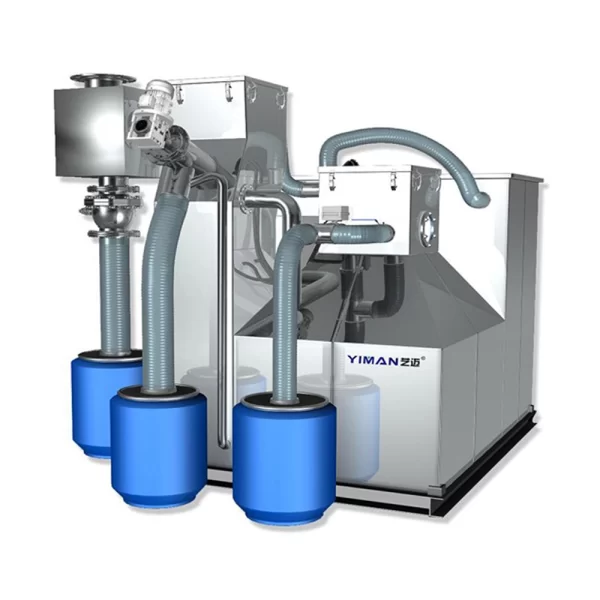
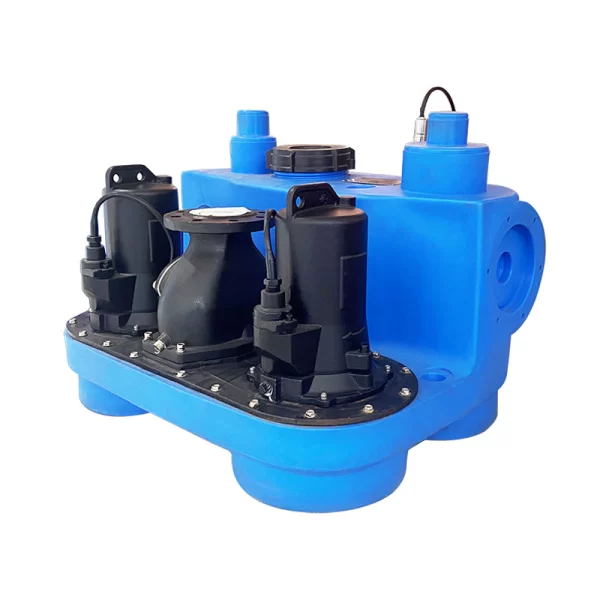
Preventative measures include proper grease trap maintenance in commercial kitchens and robust pre-treatment systems in industrial facilities. Advanced Oil Water Separator System remove oil and grease from wastewater before discharge. These systems keep oil out of municipal pipelines, avoiding blockages and environmental contamination. These technologies support compliance with environmental regulations. Our Sewage Water Elevating System also helps manage wastewater efficiently, preventing overflow and pollution.
| System Component | Function in Pollution Mitigation | Key Benefit |
|---|---|---|
| Grease Traps | Capture FOG from kitchen wastewater | Prevents FOG accumulation in local pipes |
| Pre-treatment Units | Remove specific contaminants from industrial effluent | Ensures compliance with discharge limits |
| Oil-Water Separators | Separate oil from water using gravity or coalescing media | Reduces oil content in discharged wastewater |
| Sewage Elevating Systems | Transport wastewater in areas without gravity flow | Prevents stagnant water and associated contamination |
For more information on wastewater management, you can refer to Optimizing Your Sewage Elevating System for Peak Performance.
FAQs
What are the most common sources of oil pollution in urban pipelines?
Common sources include improper disposal of cooking oils from commercial kitchens and residential homes, industrial wastewater discharges from manufacturing and automotive facilities, and illicit dumping of used motor oils and lubricants into drainage systems. These varied origins make control complex.
How does oil pollution physically damage urban pipeline infrastructure?
Oil and grease harden and stick to pipe walls, creating blockages that restrict flow and can lead to sewer overflows. Over time, they also promote corrosion and material degradation, reducing the lifespan and integrity of the system and driving up repair and maintenance costs.
What are the environmental consequences of oil pollution in urban pipelines?
Beyond infrastructure damage, oil pollution can release contaminated wastewater into rivers, lakes, and oceans during overflows, harming aquatic ecosystems, affecting wildlife, and potentially contaminating drinking water sources. It also causes foul odors and unsightly conditions in urban areas.
What role do oil-water separators play in preventing pipeline pollution?
Oil-water separators are pre-treatment devices that remove oil and grease from wastewater at the source before it enters the municipal pipeline system. By separating these contaminants, they prevent accumulation, blockages, and environmental discharge, ensuring cleaner effluent and protecting infrastructure.
Are there regulations in place to control oil discharge into urban pipelines?
Yes. Most municipalities and environmental agencies enforce strict regulations regarding the discharge of oil and grease into public sewer systems. These rules often mandate installation and regular maintenance of grease traps and pre-treatment systems for commercial and industrial establishments to prevent pollution and maintain compliance.
Enhance Your Urban Infrastructure with Shanghai Yimai Solutions
Protect your urban infrastructure and the environment from the damaging effects of oil pollution. Explore Shanghai Yimai Industrial Co., Ltd.’s advanced Oil Water Separator System and complete wastewater treatment solutions designed for optimal performance and compliance. Contact us today for a consultation or to request a free catalogue. Email: overseas1@yimaipump.com Phone/WhatsApp: +86 13482295009