
Unraveling Why Electric Motor Windings Burn Out
Electric motor windings fail more often than they should, and the reasons usually trace back to a handful of predictable problems. After seeing enough burned-out motors come through for repair, patterns emerge. Heat, electrical stress, mechanical wear, and environmental contamination work together in ways that accelerate failure. Getting ahead of these issues means understanding how they interact and what actually works to prevent them.
Fundamental Causes of Winding Overheating
Winding overheating is the primary precursor to burnout, initiating a cascade of destructive events. Excessive thermal stress directly degrades the motor insulation breakdown, leading to insulation degradation. This process accelerates when motors experience current overload, which generates more heat than the cooling system can dissipate. Sustained high temperatures weaken the insulating materials, compromising their dielectric strength. This eventually leads to short circuits within the windings.
Electrical Stressors Leading to Winding Failure
Electrical anomalies significantly contribute to winding failure by imposing undue stress on the insulation. Issues such as voltage spikes can instantaneously puncture insulation, and phase imbalance causes uneven current distribution and localized overheating. Harmonic distortion, prevalent in systems with non-linear loads, introduces additional heating effects that the motor windings are not designed to withstand. Adequate short circuit protection is vital to mitigate immediate damage from severe electrical faults.
| Electrical Fault Type | Primary Effect on Windings | Consequence |
|---|---|---|
| Voltage Spikes | Insulation Puncture | Immediate Breakdown |
| Phase Imbalance | Uneven Current Flow | Localized Overheating |
| Harmonic Distortion | Increased I²R Losses | Accelerated Thermal Aging |
| Frequent Starts | High Inrush Current | Thermal Cycling Stress |
| Ground Faults | Current Diversion | Severe Overheating |
If you are interested in further optimizing motor reliability, we recommend exploring 《Optimizing Three Phase Asynchronous Motor Reliability in Pump Systems A Technical Guide》.
What are the most common causes of electric motor winding failure?
The most common causes of electric motor winding failure include overload conditions, which generate excessive heat due to sustained high current draw. Insulation breakdown, often a result of thermal aging or electrical transients, directly compromises winding integrity. Additionally, mechanical stress from vibration or bearing failure can physically damage insulation, leading to premature failure.
Mechanical and Environmental Factors Affecting Windings
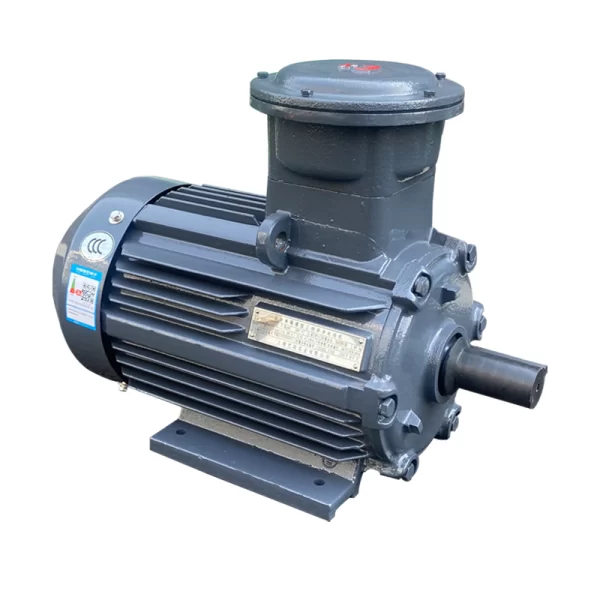
Beyond electrical issues, mechanical and environmental conditions play a substantial role in winding degradation. Bearing failure effects, such as increased friction and vibration, transfer mechanical stress directly to the windings, compromising insulation. Effective cooling system efficiency is paramount; inadequate airflow or blocked vents allow heat to accumulate, accelerating thermal aging. Environmental contamination, including dust, moisture, and corrosive chemicals, can directly attack insulation, reducing its lifespan. Regular vibration analysis helps identify mechanical issues before they escalate.
| Factor Category | Specific Factor | Impact on Windings |
|---|---|---|
| Mechanical | Bearing Failure | Increased Vibration, Insulation Abrasion |
| Mechanical | Misalignment | Excessive Vibration, Uneven Stress |
| Environmental | High Ambient Temp | Reduced Cooling Efficiency, Accelerated Aging |
| Environmental | Moisture Ingress | Reduced Dielectric Strength, Short Circuits |
| Environmental | Contaminants | Insulation Degradation, Blocked Cooling |
Preventative Strategies for Winding Longevity
Implementing robust preventative maintenance strategies makes a real difference in extending winding longevity and avoiding costly downtime. This includes ensuring proper overload protection, which trips the motor when current exceeds safe limits. Regular motor testing, such as insulation resistance tests, helps monitor the health of the winding insulation. Consistent insulation monitoring provides early warnings of degradation.
How can I prevent electric motor windings from burning out prematurely?
To prevent premature winding burnout, several key steps matter most. First, ensure proper sizing of the motor for its application to avoid continuous overload. Implement effective thermal protection, such as thermal overload relays, to guard against overheating. Conduct regular inspection of the motor and its operating environment to identify potential issues early.
Advanced Diagnostics and Repair Considerations
When winding issues arise, advanced diagnostics are needed for accurate identification and effective resolution. Techniques such as infrared thermography can detect hot spots indicative of localized overheating. Surge testing helps identify inter-turn shorts or weak insulation. For damaged windings, motor winding repair options range from re-insulation to complete rewinding, depending on the extent of the damage. Implementing predictive maintenance programs, leveraging these diagnostic tools, can significantly reduce unexpected failures.
Optimize Your Industrial Operations with Shanghai Yimai Expertise
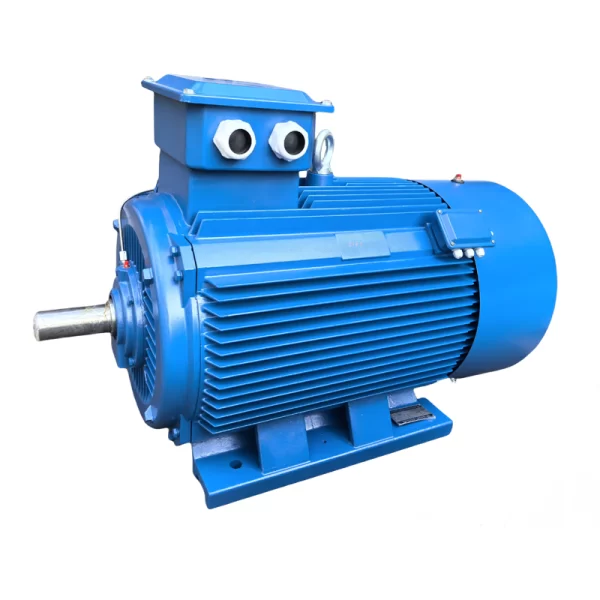
Ensure the longevity and efficiency of your critical electrical motors and industrial systems. Shanghai Yimai Industrial Co., Ltd. specializes in high-quality electrical motors, water pumps, and integrated industrial solutions designed for reliability and performance. Prevent costly downtime and enhance your operational resilience. Contact us today to discuss your specific requirements and explore how our professional manufacturing and engineering solutions can safeguard your investments. Email: overseas1@yimaipump.com | Phone/WhatsApp: +86 13482295009
FAQ
What role does insulation class play in preventing electric motor windings from burning out?
Insulation class defines the maximum operating temperature a winding can withstand. Higher insulation classes (e.g., Class F, Class H) are designed for greater thermal endurance, significantly reducing the risk of premature winding burnout under elevated temperatures or transient overloads. Selecting the appropriate insulation class for the operating environment is a key preventative measure.
Can improper motor sizing lead to electric motor winding failure?
Yes. An undersized motor will continuously operate under overload conditions, drawing excessive current and generating heat that rapidly degrades winding insulation. Conversely, an oversized motor can lead to inefficient operation and potentially uneven loading, though direct winding burnout is less common than with undersizing. Proper motor sizing is fundamental to preventing winding burnout and ensuring optimal performance.
How does voltage imbalance impact electric motor winding lifespan?
Voltage imbalance creates disproportionate current flow in motor windings, causing certain phases to carry significantly higher currents than others. This leads to localized overheating in the overloaded windings, accelerating insulation degradation and significantly increasing the risk of premature winding burnout. Even a small percentage of voltage imbalance can drastically reduce motor winding lifespan.