Unveiling the Efficiency: How Twin-Screw Presses Revolutionize Sludge Dewatering
We see the same problem play out across plants: wet sludge drives up costs, strains compliance, and complicates day-to-day operations. Dewatering sits at the center of that reality. When it underperforms, both budgets and permits feel it. When it works, disposal volumes drop, handling gets easier, and environmental risk declines. That is why we stay focused on advanced, reliable technologies that cut water from sludge efficiently and consistently.
Understanding the Critical Need for Effective Sludge Dewatering in Modern Industrial Operations
Industrial and municipal operations generate significant volumes of sludge, a byproduct of wastewater treatment. This wet sludge presents substantial environmental and operational challenges. High water content makes sludge heavy, increasing transportation and disposal costs. Improper sludge management can lead to soil and water contamination, emitting greenhouse gases and foul odors. Regulatory bodies worldwide are imposing stricter limits on sludge disposal, driving the demand for more efficient and environmentally sound dewatering technologies. Businesses face economic pressures to reduce operational expenses while adhering to these evolving environmental standards. We focus on solutions that relieve financial pressure while reducing ecological impacts. The efficiency of sludge dewatering directly influences the overall sustainability and cost-effectiveness of wastewater treatment processes. Without effective dewatering, the sheer volume of sludge can overwhelm storage and disposal infrastructure. This necessitates a shift towards advanced mechanical dewatering methods, which can significantly reduce sludge volume and improve its handling characteristics.
The Ingenious Mechanism: Deconstructing How Twin-Screw Presses Achieve Superior Solid-Liquid Separation
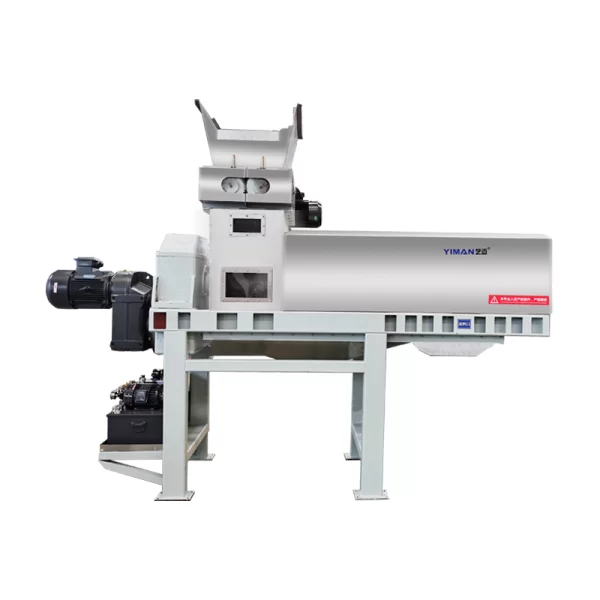
Twin-screw press technology offers an advanced method for solid-liquid separation. This equipment continuously dewaters sludge through a process of compression and filtration. At its core, the system employs two intermeshing screws that rotate within a cylindrical screen. The design ensures consistent pressure application, effectively squeezing water out of the sludge. Shanghai Yimai’s Double Helix Continuous Press Machine exemplifies this technology, providing robust and efficient dewatering. The continuous operation minimizes manual intervention, making it a highly automated solution for various industries. This mechanism turns high-moisture sludge into a significantly drier cake.
1. Key Components and Their Roles in the Dewatering Process
The effectiveness of a twin-screw press relies on its precisely engineered components. Each part plays a crucial role in achieving optimal dewatering.
- Twin Screws: The primary moving elements, engineered with varying pitches and diameters to convey sludge while applying steady compression.
- Screen Mesh: Encases the screws, passing water through while retaining solid sludge particles.
- Pressure Rings: Located at the discharge end to create back pressure and intensify compression on the sludge.
- Drive System: Powers the screws to maintain consistent rotation and controlled compression.
- Flocculation Tank: Often integrated to condition sludge by mixing polymers that enhance solid-liquid separation.
2. The Continuous Compression and Filtration Cycle Explained
The dewatering process in a twin-screw press is a continuous cycle, ensuring efficient and uninterrupted operation.
- Sludge Feeding: Conditioned sludge enters the press from the inlet as the screws begin conveying it forward.
- Initial Dewatering: Free water drains through the screen mesh under low pressure as the sludge advances.
- Compression Zone: The screw pitch decreases and the shaft diameter increases, raising compression.
- Water Discharge: Water exits through the screen openings continuously as pressure builds.
- Sludge Cake Formation: A compact, dewatered cake forms at the discharge end.
- Discharge: The dewatered sludge cake leaves the press, ready for downstream handling or disposal.
If you’re interested, check 《Double Helix Continuous Presser》
Transformative Advantages: Why Twin-Screw Presses Are the Preferred Choice for Diverse Sludge Types
Twin-screw presses offer significant advantages over traditional dewatering methods. They provide high dewatering efficiency, resulting in a drier sludge cake. This directly translates to reduced disposal volumes and lower transportation costs. The technology also boasts low energy consumption, contributing to operational savings and a smaller carbon footprint. We find these systems require minimal maintenance, largely due to their self-cleaning design and robust construction. Their adaptability to various sludge characteristics, from municipal to industrial, makes them a versatile solution. These attributes underscore the value and benefits of adopting twin-screw presses for modern sludge management.
1. Achieving High Dryness and Volume Reduction
A primary benefit of twin-screw presses is their ability to achieve a high degree of sludge dryness. This results in substantial volume reduction, which is critical for cost-effective disposal.
- Reduced Disposal Costs: Drier sludge means less material to transport and dispose of, significantly lowering operational expenses.
- Enhanced Handling: The compact sludge cake is easier to handle, store, and transport.
- Improved Calorific Value: For sludges used in energy recovery, higher dryness increases their calorific value.
2. Operational Efficiency and Environmental Compliance
Twin-screw presses are designed for efficiency and environmental responsibility. Their operational characteristics contribute to a more sustainable and compliant process.
- Low Power Consumption: These systems operate with minimal energy, reducing electricity costs and environmental impact.
- Quiet Operation: The enclosed design and slow-moving components keep noise levels low, improving workplace conditions.
- Odor Control: The sealed nature of the press limits odor emissions, supporting environmental compliance and community relations.
- Continuous Operation: Automated, continuous processing reduces the need for constant supervision, helping control labor costs.
Broadening Horizons: Key Applications and Future Trends in Twin-Screw Press Technology
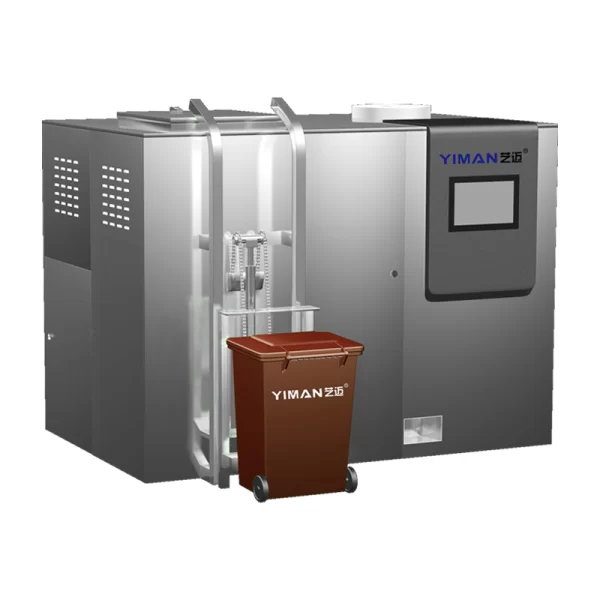
Twin-screw presses are widely applied across various sectors, demonstrating their versatility in sludge dewatering. In municipal wastewater treatment plants, they efficiently process biological sludges. Industrial applications span food processing, pharmaceuticals, chemical manufacturing, and textiles, where diverse sludge types require effective solid-liquid separation. For instance, our Double Helix Continuous Press Machine is integral to {{Organic Waste Treatment SystemOrganic Waste Treatment System}} and {{Intelligent Waste Food Treatment SystemIntelligent Waste Food Treatment System}}, handling materials with varying moisture content. The technology also plays a crucial role in {{Sewage Water Elevating SystemSewage Water Elevating System}} and {{Oil Water Separator Sewage Elevator SystemOil Water Separator Sewage Elevator System}} by reducing the volume of collected solids. Future trends in twin-screw press technology focus on enhanced automation, integration with smart factory systems, and further improvements in energy efficiency. We anticipate advancements in material science for increased wear resistance and expanded capabilities for processing more challenging waste streams. The goal remains to achieve higher dryness, lower operational costs, and greater environmental sustainability.
Shanghai Yimai Industrial Co., Ltd.: Your Partner in Advanced Sludge Dewatering Solutions
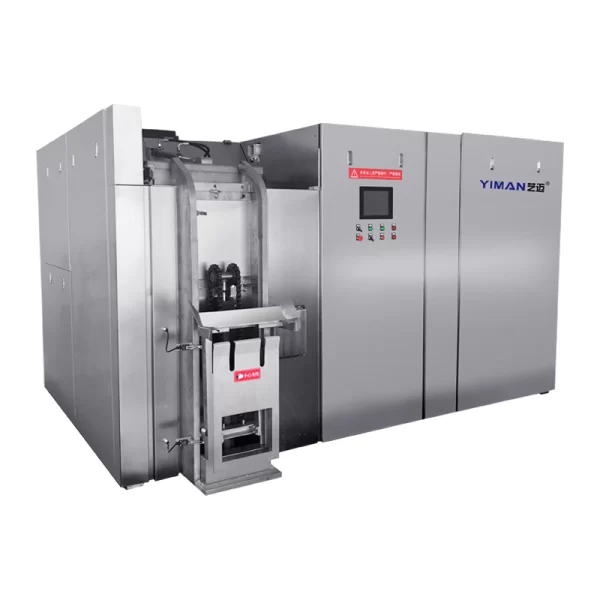
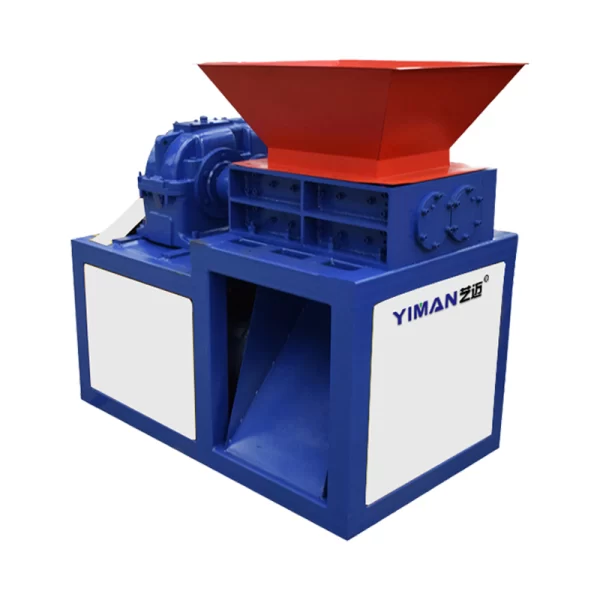
Shanghai Yimai Industrial Co., Ltd. is a professional manufacturer dedicated to providing advanced environmental engineering solutions. Our Double Helix Continuous Press Machine stands as a leading solution for efficient sludge dewatering. This machine is engineered for fast processing, with a cycle of 8 to 10 hours. It utilizes ultra-high temperature heating and drying in a specialized drying tank, achieving a volume reduction rate of over 90%. The system features an overall detachable frame, a high-energy ion deodorization system, and an intelligent control system for automatic operation and remote monitoring. We also incorporate an automatic loading and weighing system, a shred feeding system, and a handling sorting and conveying system. Our commitment to quality and service ensures reliable performance and extended system lifespan.
| Model | Treatment Capacity (Kg/h) | Decrement Rate | Material Moisture Content |
|---|---|---|---|
| YMYZJ | 500 | 50% | 50% |
| YMYZJ | 1000 | 50% | 50% |
| YMYZJ | 2000 | 50% | 50% |
| YMYZJ | 3000 | 50% | 50% |
| YMYZJ | 5000 | 50% | 50% |
| YMYZJ | 10000 | 50% | 50% |
Our expertise extends to a wide range of products, including {{Heat Conducting Oil PumpHeat Conducting Oil Pump}}, {{Intelligent Digital Drived VFD Booster SystemIntelligent Digital Drived VFD Booster System}}, and {{Vertical Multi Stage Centrifugal PumpVertical Multi Stage Centrifugal Pump}}, all designed for optimal industrial performance. We are committed to delivering solutions that meet the evolving demands of industrial and environmental applications.
If you’re interested, check 《Double Shaft Shredder Unmatched Durability for Tough Material Size Reduction》
Ready to optimize your sludge dewatering process?
Contact Shanghai Yimai Industrial Co., Ltd. today for expert consultation and to learn more about our Double Helix Continuous Press Machine and a full range of wastewater treatment solutions.
Email: overseas1@yimaipump.com
Phone/WhatsApp: +86 13482295009
FAQs
What types of sludge can a twin-screw press dewater effectively?
Twin-screw presses are highly versatile and can effectively dewater a wide range of sludge types, including municipal wastewater sludge, industrial wastewater sludge (e.g., from food processing, chemical, pharmaceutical, and textile industries), and even some difficult-to-dewater sludges. Their design allows for processing sludges with varying solids content and characteristics, offering flexibility for diverse applications.
How does the ‘double helix’ design enhance dewatering efficiency?
The ‘double helix’ design, as featured in Shanghai Yimai’s Continuous Press Machine, involves two intermeshing screws that rotate within a cylindrical screen. This configuration creates a continuous, self-cleaning action that prevents clogging and ensures consistent dewatering. The intermeshing screws also provide a larger effective compression area and a more gradual pressure increase, leading to higher dryness of the sludge cake and improved overall efficiency compared to single-screw designs.
What are the main advantages of twin-screw presses over centrifuge or belt filter presses?
Twin-screw presses offer several key advantages: they usually consume less energy, have lower noise levels, require less maintenance due to fewer moving parts and self-cleaning capabilities, and can operate continuously with minimal supervision. They also produce a drier sludge cake, which significantly reduces disposal costs, and their enclosed design helps in odor control, making them a more environmentally friendly and cost-effective option for many applications.
What maintenance is required for a twin-screw press?
Twin-screw presses are known for their low maintenance requirements. Routine maintenance typically involves periodic checks of the screw wear, screen cleanliness, and lubrication of bearings. The self-cleaning mechanism of the screws minimizes manual cleaning. Shanghai Yimai’s ‘Double Helix Continuous Press Machine’ is designed for durability and ease of service, ensuring long operational life and reduced downtime.
Can Shanghai Yimai provide customized twin-screw press solutions?
Yes, Shanghai Yimai Industrial Co., Ltd. is a professional manufacturer with extensive experience in solid-garbage and sewage water treatment systems. We offer a range of ‘Double Helix Continuous Press Machine’ models with varying treatment capacities (500 to 10000 Kg/h) and can work with clients to provide customized solutions based on their specific sludge characteristics, capacity requirements, and operational needs. Contact our experts for a tailored consultation.