
Variable Speed Electric Motors Driving Industrial Efficiency
Variable speed electric motors have changed how industrial operations run. They give you control and efficiency that fixed-speed systems simply cannot match. These motors show up everywhere now, from water distribution networks to waste treatment plants, and the results speak for themselves. When you can adjust power output on the fly, you directly affect how much energy you burn and what you pay for it. The performance gains and long-term sustainability improvements are real and measurable.
Significant Energy Savings and Cost Reduction
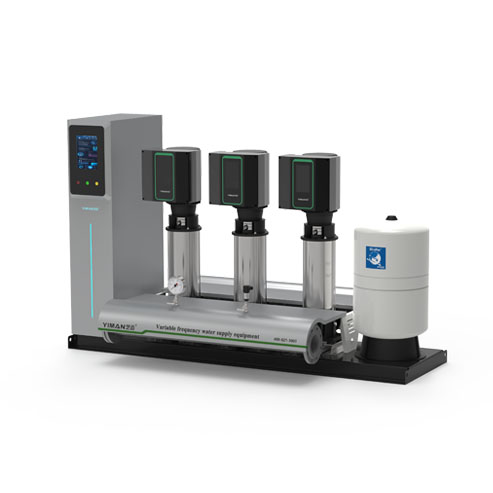
Variable speed electric motors paired with variable frequency drives (VFDs) cut power consumption dramatically in industrial settings. Energy savings typically fall between 30% and 50% compared to fixed-speed motors when loads vary throughout operation. That efficiency shows up directly in operating costs and speeds up return on investment. The Intelligent Digital Drived VFD Booster System with a power range of 0.37 kW to 22 kW and an IP65 protection grade demonstrates this energy efficiency in practice.
How do variable speed motors save energy?
Variable speed motors save energy by matching motor speed precisely to what the load actually needs at any given moment. The cube law governs this relationship: power consumption scales with the cube of motor speed. A small speed reduction creates a much larger drop in power use. Cut motor speed by 20%, and energy consumption drops by nearly 50%. This precise motor control, often delivered through a VFD Controlled Booster Water Supply System, eliminates the waste that comes from throttling or bypassing in fixed-speed setups.
Here is how the two approaches compare:
| Feature | Fixed-Speed Motor | Variable Speed Motor |
|---|---|---|
| Energy Savings Potential | Minimal | 30-50% |
| Power Consumption | Constant | Variable |
| Load Matching | Inefficient | Precise |
| Start-up Current | High | Soft |
| Operational Costs | Higher | Lower |
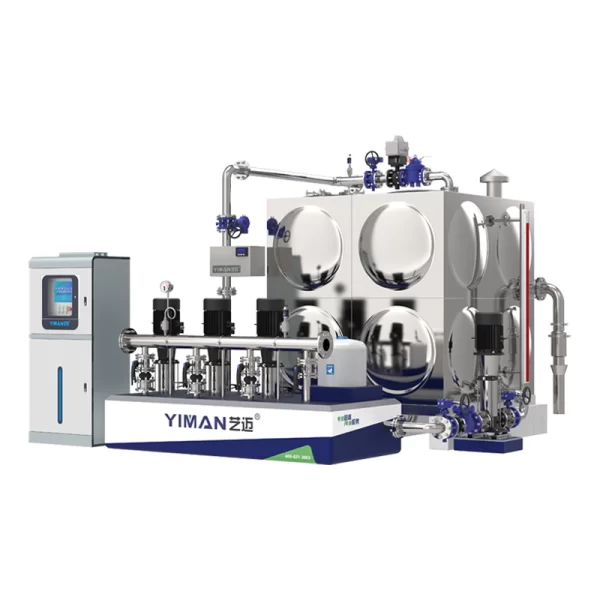
High-efficiency motors like the IE3 Three Phase Electric Motor and IE4 Three Phase Electric Motor maximize these savings. Both adhere to IEC60034/IEC60072 standards for reliable performance and energy efficiency.
Better Process Control and Operational Precision
Variable speed motors make a real difference in process control and operational precision across industrial applications. Continuous speed adjustment keeps equipment running at optimal levels, which improves product quality and cuts waste. This precision matters when you need consistent output and want to get the most from your system.
Can variable speed motors improve process precision?
Variable speed motors improve process precision substantially. They allow real-time adjustments to flow rates, pressure, and other parameters that affect outcomes. HVAC systems depend on precise airflow management for climate control. Pumping applications using equipment like the Vertical Multi Stage Centrifugal Pump benefit from variable speed drives that prevent surges and maintain stable pressure. That stability extends system life and improves efficiency. Manufacturing processes see fewer defects and higher quality products when speed control is dialed in.
Water treatment plants illustrate this well. Precise pump speed control ensures optimal chemical dosing and filtration rates. You avoid over-processing and under-processing, both of which create costs through rework or compliance issues. The Heat Conducting Oil Pump also gains from variable speed control, maintaining precise temperature regulation in thermal oil systems up to 350°C for stable heat exchange and system safety.
Longer Equipment Life and Less Maintenance
Variable speed electric motors extend equipment lifespan and reduce maintenance demands. Soft starts and stops eliminate the mechanical shock and high inrush currents that fixed-speed motors create. Controlled acceleration and deceleration put less stress on the motor, bearings, shafts, and connected equipment like pumps and gearboxes.
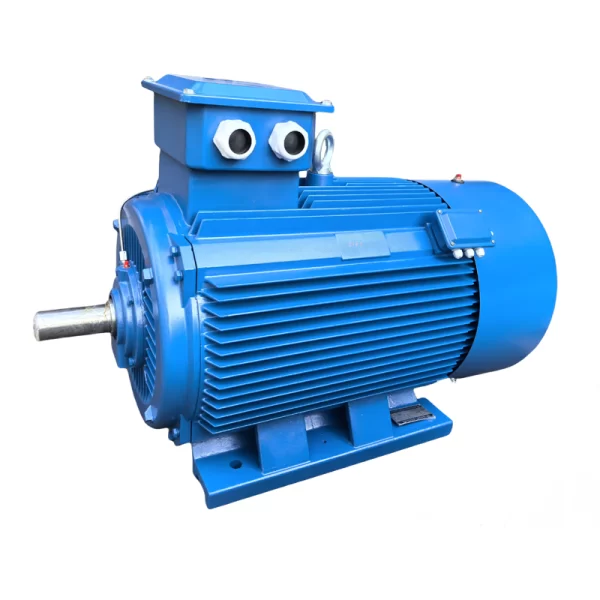
Less mechanical stress means less wear. Fewer breakdowns follow, along with lower replacement costs. The YBX3 Explosion Proof Three Phase Electric Motor and YBX4 Explosion Proof Three Phase Electric Motor feature robust designs that benefit from gentle variable speed operation, improving reliability in demanding environments. Thermal stress on motor windings drops too, preserving insulation integrity over time.
Systems with variable speed drives need less frequent preventive maintenance. Labor costs go down and operational uptime goes up. Running equipment at lower, appropriate speeds for specific tasks also means quieter operation and better working conditions. Variable frequency drives often include diagnostic capabilities that catch potential issues early, allowing intervention before small problems become major failures. This approach to motor control systems improves overall equipment reliability and delivers substantial long-term savings.
For more on optimizing motor reliability in pump systems, read: 《Optimizing Three Phase Asynchronous Motor Reliability in Pump Systems A Technical Guide》.
Greater Adaptability and System Flexibility
Variable speed motors give industrial operations the adaptability to respond to changing conditions. Integrated with variable frequency drives, these motors allow precise adjustments to production demands, material properties, or environmental factors without major retooling. A Split Casing Double Suction Pump can adjust flow rate to match fluctuating water demands, preventing wasted energy while maintaining optimal system pressure.
This flexibility matters in industries with varying load requirements. A VFD ramps motor speed up or down to match current needs, ensuring efficient resource use. Processes requiring tight control over flow, pressure, or speed benefit most. HVAC systems and industrial automation are good examples. Fine-tuning operations in real time leads to optimized performance, higher product consistency, and reduced waste. Solutions like the Intelligent Digital Drived VFD Booster System deliver this level of precise control and adaptability across a wide range of industrial applications.
Sustainability and Environmental Compliance
Variable speed electric motors contribute directly to industrial sustainability and environmental compliance. Reduced energy consumption means a lower carbon footprint. Matching motor speed to load requirements instead of running at full capacity cuts greenhouse gas emissions in measurable ways. This supports global climate efforts and helps meet tightening environmental regulations.
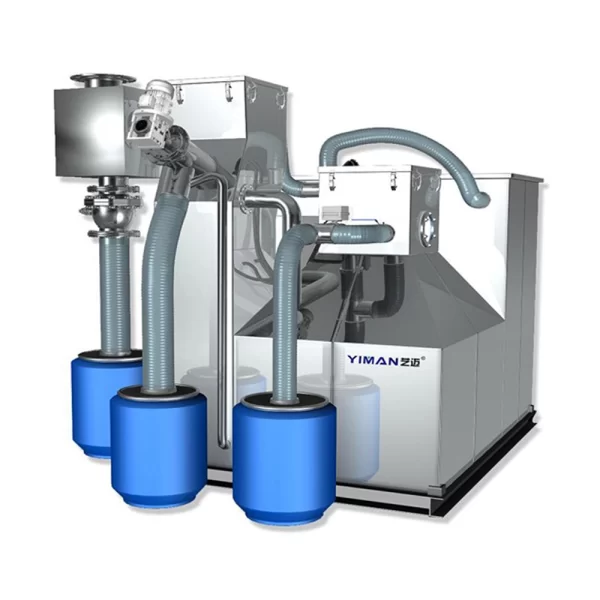
Water and wastewater treatment provides a clear example. The Sewage Water Elevating System and Oil Water Separator Sewage Elevator System gain significantly from variable speed control. Precise fluid handling management minimizes energy waste in these energy-intensive sectors. Lower energy demand also reduces strain on power grids, supporting more sustainable infrastructure. Extended equipment lifespan and reduced maintenance mean less waste from prematurely replaced parts. This approach to energy efficiency and resource management reflects responsible industrial practices.
For more on efficient and eco-friendly compliance for industrial wastewater, read: 《Oil Water Separator System Efficient and Eco Friendly Compliance for Industrial Wastewater》.
Frequently Asked Questions About Variable Speed Motors
What industries benefit most from variable speed drives?
Variable speed drives deliver substantial benefits across HVAC, water and wastewater treatment, oil and gas, manufacturing, and pulp and paper. Any industry with variable load applications involving pumps, fans, compressors, or conveyors can achieve significant energy savings and process control improvements by implementing Permanent Magnetic Electric Motor.
Are variable speed motors more expensive to install?
Initial capital investment for a variable speed electric motor and its variable frequency drive may run slightly higher than a fixed-speed motor. Long-term operational savings from reduced energy consumption and lower maintenance costs typically produce a rapid return on investment. Enhanced process control and extended equipment lifespan add to overall cost-effectiveness.
How do variable speed motors impact motor lifespan?
Variable speed motors with VFDs extend motor lifespan. Soft starts and stops eliminate high inrush currents and mechanical stress from direct-on-line starting. Reduced thermal and mechanical stress decreases wear on bearings, windings, and connected equipment, improving reliability and cutting maintenance needs.
What are the environmental advantages of using variable speed electric motors?
The primary environmental advantage is energy efficiency. Matching motor speed to load requirements reduces electricity consumption and lowers carbon footprint. This supports global sustainability goals and helps industries meet environmental regulations.
Optimize Your Operations with Shanghai Yimai Industrial
Elevate your industrial operations with Shanghai Yimai Industrial Co., Ltd.’s advanced electrical motor solutions. Our expertise in variable-speed motor technology, water pumps, and integrated systems ensures unparalleled efficiency, reliability, and sustainability for your projects. Contact us today to optimize your energy consumption and enhance process control. Email: overseas1@yimaipump.com | Phone/WhatsApp: +86 13482295009