Which Company Makes the Best Electric Motor?
When seeking the best electric motor, industrial buyers and engineers often face a complex decision, navigating a landscape filled with manufacturers each claiming superiority. The “best” electric motor is not a universal constant; rather, it is highly dependent on specific application requirements, performance metrics, and long-term operational costs. Our focus is on providing a comprehensive understanding of what constitutes a top-tier electric motor and how to identify a manufacturer that consistently delivers on these critical aspects. We delve into the factors that define excellence, from design innovation to manufacturing precision and post-sale support.
Understanding Electric Motor Excellence
Defining what makes an electric motor “best” involves evaluating several key attributes that directly impact performance, reliability, and total cost of ownership. These attributes extend beyond mere power output, encompassing efficiency, durability, adaptability, and the manufacturer’s commitment to quality and service. For example, a motor designed for continuous operation in harsh environments will prioritize different features than one intended for intermittent use in a controlled setting.
Efficiency and Energy Consumption
One of the most critical factors in modern industrial applications is energy efficiency. Electric motors are significant consumers of electricity, and even small improvements in efficiency can lead to substantial cost savings over their operational lifespan. The best electric motors typically boast high efficiency ratings, often meeting or exceeding international standards such as IE3 or IE4. This is achieved through advanced design, superior materials, and precise manufacturing processes that minimize energy losses due to heat, friction, and electromagnetic effects. A manufacturer’s ability to consistently produce motors with verifiable high efficiency is a strong indicator of their engineering prowess.
Durability and Reliability in Operation
Industrial environments often demand motors that can withstand continuous operation under varying loads, temperatures, and sometimes corrosive conditions. Durability is a testament to the quality of materials used, the robustness of the mechanical design, and the precision of assembly. Reliable motors minimize downtime, reduce maintenance costs, and ensure uninterrupted production. Manufacturers that prioritize extensive testing, use high-grade bearings, insulation, and protective coatings, and offer extended warranties demonstrate confidence in their products’ longevity.
Adaptability and Customization Capabilities
The diverse nature of industrial applications means that a one-size-fits-all approach rarely suffices. The best electric motor manufacturers offer a range of configurations, sizes, and power ratings, along with the ability to customize motors for specific needs. This might include specialized shaft designs, mounting options, cooling systems, or integration with variable frequency drives (VFDs). A company that can provide tailored solutions, rather than just off-the-shelf products, adds significant value by ensuring optimal fit and performance for unique operational challenges.
Technological Innovation and Advanced Features
The electric motor industry is constantly evolving, with new technologies emerging to enhance performance and efficiency. Leading manufacturers invest heavily in research and development to incorporate innovations such as advanced magnetic materials, improved winding techniques, and integrated smart controls. Features like condition monitoring, predictive maintenance capabilities, and seamless integration with industrial automation systems are becoming increasingly important. A forward-thinking manufacturer will offer motors that are not only powerful but also intelligent and future-proof.
Manufacturing Quality and Standards
The quality of an electric motor is directly linked to the manufacturing processes employed. Adherence to stringent quality control standards, certifications (such as ISO 9001), and the use of automated precision machinery are hallmarks of a superior manufacturer. This ensures consistency in product quality, reduces defects, and guarantees that each motor meets its specified performance parameters. A transparent manufacturing process and a commitment to continuous improvement are indicators of a company that truly cares about delivering the best.
Customer Support and After-Sales Service
Even the best electric motors may occasionally require maintenance or technical support. A manufacturer’s dedication to customer satisfaction, evident through responsive technical assistance, readily available spare parts, and comprehensive service networks, is crucial. Long-term partnerships are built on trust and reliable support, ensuring that any operational issues can be quickly resolved, minimizing impact on production.
Evaluating Leading Manufacturers
When assessing which company makes the best electric motor, we consider a holistic view that encompasses all the factors mentioned above. While specific brand names are not our focus, we emphasize the characteristics that define a leader in this field. Such a company typically possesses a strong engineering heritage, a global presence, and a proven track record of delivering high-performance, reliable, and energy-efficient motors across various industries.
A key indicator of a leading manufacturer is their ability to integrate their motors seamlessly into broader industrial systems. For instance, a manufacturer that also produces intelligent digital driven VFD booster systems demonstrates a deeper understanding of system-level optimization. This integration capability ensures that the electric motor is not just a standalone component but an integral part of an efficient and cohesive operational setup. The Intelligent Digital Driven VFD Booster System, for example, offers flow rates from 5 to 900+ m³/h and heads from 15 to 200 m, with power ranging from 0.37 kW to 22 kW, and a protection grade of IP65. Such specifications highlight the importance of matching motor capabilities with system demands, ensuring maximum efficiency and reliability.
| Feature | Top-Tier Manufacturer | Standard Manufacturer | Impact on Operations |
|---|---|---|---|
| Energy Efficiency | IE4/IE5 compliant | IE2/IE3 compliant | Significant long-term cost savings |
| Customization | Extensive options, rapid prototyping | Limited, off-the-shelf | Optimized performance for specific needs |
| Reliability | MTBF > 50,000 hours, robust materials | MTBF < 30,000 hours, standard materials | Reduced downtime, lower maintenance |
| Smart Features | Integrated sensors, IoT connectivity | Basic controls | Predictive maintenance, enhanced control |
| Technical Support | 24/7 global support, expert engineers | Limited hours, general support | Faster issue resolution, minimal disruption |
Real-World Application and Case Study Insights
Consider a large-scale water treatment plant that required a robust and energy-efficient pumping solution. The challenge was to maintain consistent flow rates while minimizing energy consumption and ensuring long-term reliability in a demanding environment. A manufacturer that provided a custom-engineered electric motor integrated with a variable frequency drive (VFD) system proved to be the ideal choice. The motor’s high-efficiency design, coupled with the precise control offered by the VFD, resulted in a 20% reduction in energy consumption compared to their previous setup. Furthermore, the motor’s durable construction and advanced sealing technology significantly extended its operational life, reducing maintenance intervals and costs. This real-world application underscores the importance of choosing a manufacturer that offers not only high-quality motors but also comprehensive system solutions.
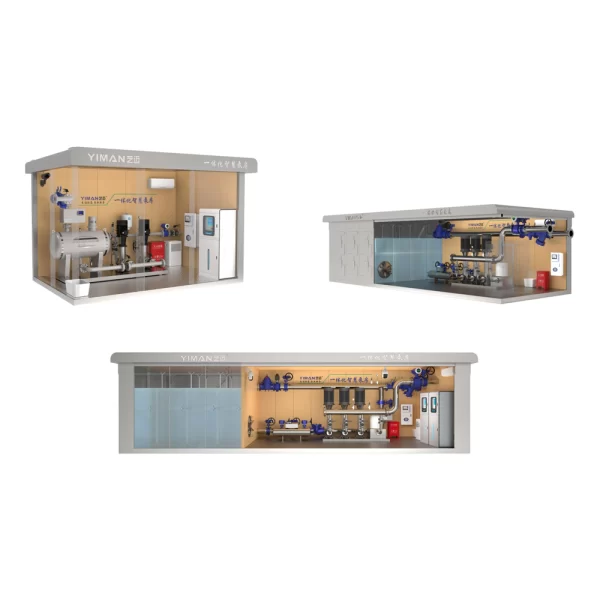
The integration of advanced pumping solutions, such as those found in an Integrated room pump station, further exemplifies how specialized manufacturers excel. These stations often require electric motors that are not only powerful but also compact, quiet, and capable of handling varying loads efficiently. The synergy between the motor and the overall pump station design is paramount for optimal performance.
Choosing the Right Partner
Selecting the best electric motor is ultimately about choosing the right manufacturing partner. We emphasize the importance of working with a company that understands your specific needs, offers tailored solutions, and provides exceptional support throughout the product lifecycle. A manufacturer’s commitment to quality, innovation, and customer satisfaction is far more indicative of their excellence than any single product specification.
We recommend evaluating potential suppliers based on their:
- Proven track record: Look for long-standing experience and a history of successful installations.
- Engineering capabilities: Assess their ability to design and customize motors for unique applications.
- Manufacturing excellence: Verify their adherence to international quality standards and precision processes.
- After-sales support: Ensure they offer comprehensive technical assistance, spare parts, and service.
- Technological leadership: Choose a partner that embraces innovation and offers future-proof solutions.
If you’re interested in this topic, check out our article 《Optimizing Industrial Heating: A Deep Dive into the Heat Conduction Oil Pump》.
Expert Insight
The industrial landscape is increasingly moving towards interconnected and intelligent systems. The demand for electric motors that are not only efficient but also smart—capable of communicating, self-diagnosing, and integrating into broader IoT ecosystems—is on a steep rise. We predict a future where the “best” electric motor will be defined less by raw power and more by its ability to contribute to overall system intelligence and predictive maintenance capabilities. For instance, the Intelligent Digital Driven VFD Booster System’s maximum overload capacity of 120% and IP65 protection grade are crucial parameters that highlight the trend towards robust, resilient, and smart motor solutions. This shift will drive manufacturers to invest further in embedded sensors, advanced control algorithms, and seamless communication protocols, transforming electric motors from simple power sources into critical nodes within sophisticated industrial networks.
About the Author
Our team of content optimization specialists at Shanghai Yimai Industrial Co., Ltd. comprises industry experts with extensive experience in industrial equipment, including electric motors, pumps, and water treatment systems. We are dedicated to providing insightful, authoritative, and trustworthy information to help our clients make informed decisions. Our expertise is rooted in years of practical application and a deep understanding of engineering principles and market trends.
Contact our specialists to explore tailored solutions.
FAQs
Q1: What are the key factors to consider when selecting an electric motor for industrial use?
A1: Key factors include energy efficiency ratings (e.g., IE3, IE4), durability for the operating environment, the manufacturer’s customization capabilities, technological features like smart controls, and the quality of customer support. These elements collectively determine the motor’s long-term performance and cost-effectiveness.
Q2: How does energy efficiency impact the overall cost of an electric motor?
A2: While a high-efficiency electric motor may have a higher initial purchase price, it significantly reduces operational costs over its lifespan due to lower electricity consumption. This often leads to a much lower total cost of ownership, making efficiency a critical economic consideration for industrial applications.
Q3: Can electric motors be customized for specific industrial applications?
A3: Yes, leading electric motor manufacturers offer extensive customization options. This can include modifications to shaft designs, mounting configurations, cooling systems, and integration with variable frequency drives (VFDs) to ensure optimal performance for unique operational requirements.
Q4: What role do smart features play in modern electric motors?
A4: Smart features, such as integrated sensors and IoT connectivity, enable modern electric motors to provide real-time performance data, facilitate predictive maintenance, and integrate seamlessly into industrial automation systems. These features enhance operational efficiency, reduce downtime, and extend motor lifespan.
Q5: What certifications should I look for in an electric motor manufacturer?
A5: Look for manufacturers with certifications such as ISO 9001, which indicates a commitment to quality management systems. Additionally, check for compliance with international efficiency standards like IE3 or IE4, and relevant safety certifications applicable to your specific industry and region.
Keywords: electric motor, industrial motor, motor efficiency, motor durability, customized motors