Why Redundant Pumps Are Essential for Reliable Sewer Systems
As an engineer with more than 15 years in water management, I’ve learned that the “invisible” parts of a city often matter most. Sewer networks don’t ask for attention, but when they falter, everyone feels it. I still remember a 2 a.m. storm call where a standby pump kicked in and spared a neighborhood from a messy overflow—that moment cemented for me that redundancy isn’t a nice-to-have; it’s a lifeline. This piece explains why redundant pumps are essential to keep sewer systems dependable, safe, and compliant, and how to design them right.
Understanding the Critical Role of Sewer Systems in Urban Infrastructure
1. Defining the primary function of wastewater management
Wastewater management systems collect, convey, and treat domestic, commercial, and industrial flows to protect people and the environment from contamination. By keeping pathogens and pollutants out of our communities and water bodies, these systems curb disease transmission and preserve natural resources. In short, they’re foundational to any developed society’s public health and environmental stewardship.
2. Exploring the consequences of sewer system failures
When sewer systems fail, the results can be severe: raw sewage can spill into streets, homes, and sensitive ecosystems. That brings real public health risks, including waterborne diseases, and accelerates environmental degradation. The financial hit is no small matter either—cleanups, property damage, and legal penalties add up quickly.
The Inherent Risks and Vulnerabilities of Single-Pump Sewer Systems
1. Examining common causes of pump malfunctions and breakdowns
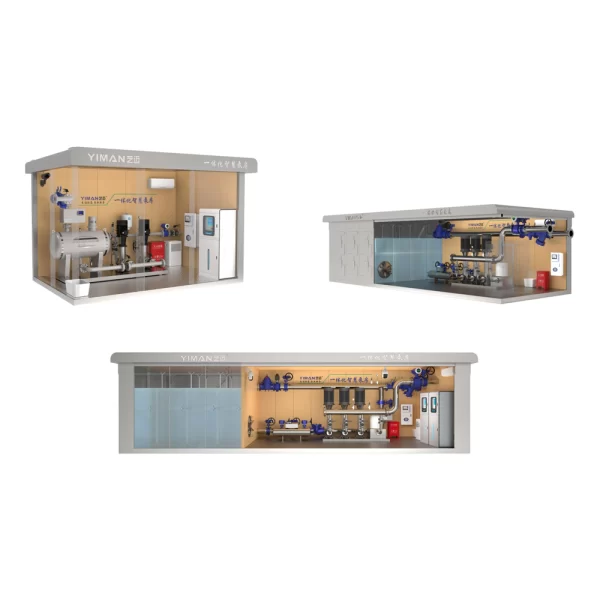
A sewer station built around a single pump is, by design, exposed to risk. Mechanical failures, electrical faults, and debris-induced blockages are common culprits. Power outages, worn components, and lapses in maintenance further increase the likelihood of breakdowns. Without a backup, these routine issues can mushroom into full-blown system failures.
2. Analyzing the operational and environmental impacts of single-point failures
When a lone pump fails, wastewater flow can stop abruptly, triggering immediate operational disruption. Backups and overflows at lift stations or collection points can follow. The environmental impact is serious—local waters and soils can be contaminated—while public health is put at risk by exposure to untreated wastewater.
How Redundant Pumping Systems Enhance Reliability and Operational Continuity
1. Explaining the principles of N+1 and N+2 redundancy configurations
Redundant systems add pumps beyond the minimum needed for day-to-day operation. In an N+1 setup, one extra pump stands ready to take over if any of the N duty pumps fail. N+2 takes that a step further with two backups, raising fault tolerance. Either way, if a pump goes offline, another unit immediately picks up the load, maintaining continuous service.
2. Detailing the benefits of continuous operation during maintenance or failure events
The headline benefit of redundancy is uninterrupted operation. During scheduled maintenance or an unexpected failure, a standby pump automatically comes online. That seamless handoff prevents downtime and keeps wastewater moving—critical for infrastructure where interruptions can have outsized consequences.
3. Discussing the role of automatic switchover and control systems
Modern redundant stations depend on automatic switchover and smart control. These systems track pump health and wet-well levels, and when they detect a fault or rising demand, they bring standby units online smoothly and quickly. This reduces the need for manual intervention and shortens response time.
We offer advanced control systems as part of our comprehensive solutions. If you’re interested, check 《VFD Controlled Booster System Powering Smarter Water Pressure with Efficiency and Precision》.
Key Advantages of Implementing Redundant Pumps in Modern Sewer Infrastructure
1. Improving system uptime and reducing costly service interruptions
Redundant configurations materially increase system uptime by cutting both the frequency and duration of service interruptions. Less downtime means fewer emergency callouts and cleanup costs—and it reinforces public confidence in municipal services.
2. Ensuring environmental protection and preventing sewage overflows
By preventing overflows, redundancy protects rivers, lakes, and coastal waters from pollution. Staying within environmental discharge limits not only avoids fines; it also helps maintain ecological balance and demonstrates a commitment to sustainable infrastructure.
3. Extending equipment lifespan through balanced operation and reduced wear
With redundancy, stations can rotate duty among pumps to balance runtime. Sharing the load spreads wear more evenly, lengthens equipment life, and reduces the need for major overhauls and premature replacements—an important lever for optimizing capital expenditures.
4. Meeting regulatory compliance and safety standards for wastewater management
Given the public health and environmental stakes, regulators often require redundancy in critical wastewater assets. Implementing it helps ensure compliance with stringent safety and operational standards and adds a vital safeguard against the unexpected.
Designing and Implementing Effective Redundant Pump Solutions for Sewer Systems
1. Selecting appropriate pump types and capacities for diverse applications
Choosing the right pump type and size is the foundation of a reliable redundant system. Key factors include flow, head, and wastewater characteristics (solids, corrosiveness, viscosity). We recommend robust Submersible Sewage Pump for many wastewater applications due to their reliability and efficiency. For specialized needs, other pump types, such as Stainless Steel Single Screw Pump or Vertical Multi Stage Centrifugal Pump, may be more suitable.
| Parameter | Submersible Sewage Pump (WQ Series) | Vertical Multi-Stage Centrifugal Pump (YD, YDS) | Stainless Steel Single Screw Pump |
|---|---|---|---|
| Max Flow Rate | Up to 130 m³/h (Sewage Water Elevating System) | Up to 335 m³/h | Up to 150 m³/h |
| Max Head | Up to 60 m (Sewage Water Elevating System) | Up to 350 m | Up to 6.4 MPa |
| Pumping Media | Wastewater with solids | Clean, non-flammable, non-explosive liquid | Viscous liquids, slurries |
| Material | Cast Iron / Stainless Steel | Cast Iron / SS304 / SS316L | SUS304, SUS316 |
| Application | Urban sewage collection, industrial wastewater treatment | Water supply, industrial processes, fire protection | Food processing, chemical, wastewater treatment |
2. Integrating intelligent control systems for optimal performance and monitoring
Think of the control platform as the brain of the station. It manages pump rotation, watches performance metrics, flags anomalies, and supports predictive maintenance while trimming energy use. SCADA integration gives operators real-time visibility and remote control.
For enhanced system management, consider our solutions like the Intelligent Digital Drived VFD Booster System.
3. Considering the long-term cost-benefit analysis of redundancy investments
Upfront, redundancy costs more—but over time, it pays back through fewer disruptions, lower environmental liabilities, and longer equipment life. The harder-to-quantify gains—reliability, safety, community trust—are just as important for urban infrastructure resilience.
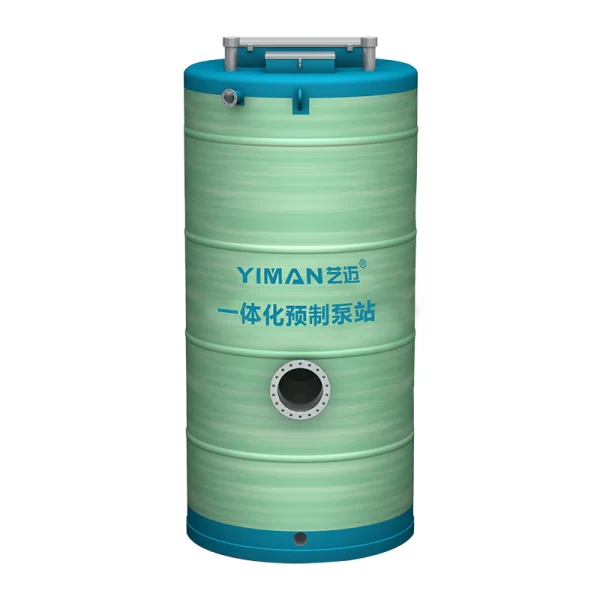
Consider the comprehensive benefits of our integrated solutions, such as the 《Integrated Prefabricated Pump Stations The Smart Sustainable Choice for Modern Infrastructure》.
Partner with Shanghai Yimai Industrial for Reliable Sewer Systems
Keeping sewer systems reliable is a serious responsibility. Shanghai Yimai Industrial Co., Ltd. delivers robust, efficient pumping solutions—including redundant configurations—tailored to meet that challenge. Our experience with integrated pre-casting pump stations and sewage lifting systems helps ensure consistent performance and long-term stability for your projects. Let’s discuss your requirements and explore how our customized solutions can strengthen your wastewater operations.
Email: overseas1@yimaipump.com
Phone/WhatsApp: +86 13482295009
FAQs
1. What is the difference between N+1 and N+2 redundancy in pump systems?
N+1 provides one additional pump beyond what’s needed for normal operation, acting as a single standby. N+2 adds two backups, delivering greater fault tolerance and resilience during simultaneous failures or extended maintenance.
2. How do redundant pumps contribute to environmental protection?
Redundancy keeps flow continuous even when a primary unit fails, preventing untreated wastewater from overflowing into the environment. That protects ecosystems and public health and helps maintain compliance with discharge regulations.
3. Can existing sewer pump stations be upgraded to include redundancy?
Yes. Many stations can be retrofitted with additional pumps, upgraded controls, and revised piping. A detailed engineering assessment will confirm feasibility and define the best integration approach for the existing layout.
4. What maintenance considerations are unique to redundant pump systems?
Standby pumps should be tested regularly to confirm automatic start functionality. Rotate duty cycles to spread wear evenly, and use predictive maintenance—often enabled by intelligent controls—to catch issues early and extend asset life.
5. How does Shanghai Yimai Industrial support redundant pump system implementation?
Shanghai Yimai Industrial offers end-to-end support: expert consultation, custom design, high-quality Sewage Water Elevating System equipment, and advanced control solutions. We focus on seamless integration, strong performance, and long-term reliability for municipal and industrial wastewater projects.