
How to Achieve Perfect Pump and Motor Alignment
Achieving precise pump and motor alignment is crucial for industrial operations. This practice significantly extends equipment lifespan and reduces operational costs. We provide clear, actionable steps for maintenance technicians and plant managers to ensure optimal performance.
Understanding the Critical Importance of Pump and Motor Alignment
Proper alignment between a pump and its driving motor is fundamental for efficient and reliable industrial machinery. Misalignment can lead to a cascade of costly issues, impacting both performance and longevity. Ignoring this critical maintenance aspect results in significant financial and operational burdens.
Why Proper Alignment Prevents Costly Failures
Correct alignment ensures that the rotational centers of the pump and motor shafts are perfectly coaxial. This minimizes stress on bearings, seals, and couplings. Precision alignment prevents premature component wear, reducing the frequency and cost of repairs. It also contributes to smoother operation and lower vibration levels.
Common Issues Caused by Misalignment
Misalignment manifests in various detrimental ways. Excessive vibration is a primary indicator, leading to noise and structural fatigue. Bearings and seals experience increased loads, resulting in premature failure and leakage. Energy consumption rises as misaligned components work harder. Ultimately, this reduces equipment lifespan and increases unplanned downtime.
| Misalignment Type | Description | Common Symptoms | Impact on Equipment |
|---|---|---|---|
| Angular | Shafts are at an angle to each other. | High axial vibration, coupling wear. | Bearing damage, seal leaks. |
| Parallel (Offset) | Shafts are parallel but not on the same centerline. | High radial vibration, coupling wear. | Shaft fatigue, increased power consumption. |
| Combination | Both angular and parallel misalignment. | Combination of above symptoms. | Severe damage to multiple components. |
Essential Tools and Preparations for Accurate Alignment
Successful pump and motor alignment requires the right tools and meticulous preparation. Investing in quality equipment and following proper pre-alignment procedures saves time and prevents errors. These steps form the foundation for achieving precision.
Selecting the Right Alignment Tools and Equipment
Modern alignment tools offer varying levels of precision and ease of use. Laser alignment systems provide the highest accuracy and are recommended for critical applications. Dial indicators offer a cost-effective alternative for less stringent requirements. Ensure all tools are calibrated and in good working condition.
Preparing the Pump and Motor for Alignment Procedures
Before starting alignment, thoroughly inspect both the pump and motor. Clean baseplates and ensure they are level and free from debris. Check for soft foot conditions, where one foot of the machine does not sit flush on the base. Correct any soft foot issues before proceeding with alignment.
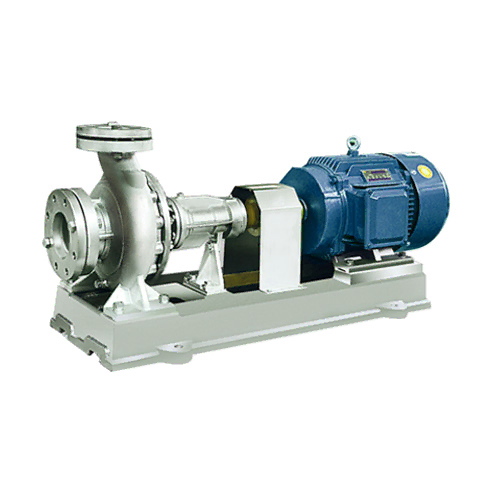
Step-by-Step Guide to Performing Precision Alignment
Achieving perfect alignment involves a systematic approach. Following a detailed step-by-step process ensures accuracy and repeatability. This methodical procedure minimizes errors and guarantees optimal performance.
Initial Rough Alignment Techniques and Checks
- Visually inspect: Ensure the pump and motor are roughly in line.
- Use a straightedge: Place a straightedge across the coupling halves to check for gross offset.
- Measure gap: Use feeler gauges to check the gap between coupling faces for angularity.
- Adjust as needed: Make large adjustments to bring components into approximate alignment.
Detailed Measurement and Adjustment Methods
- Mount measurement tools: Attach dial indicators or laser emitters/receivers to the shafts.
- Take initial readings: Rotate shafts to capture initial misalignment data.
- Analyze data: Determine the necessary vertical and horizontal adjustments.
- Adjust vertical position: Add or remove shims under the motor feet to correct vertical offset and angularity.
- Adjust horizontal position: Move the motor laterally to correct horizontal offset and angularity.
- Re-measure: Take new readings after each adjustment to confirm changes.
- Iterate: Repeat the adjustment and measurement process until alignment is within tolerance.
Verifying Alignment Accuracy and Tolerances
After adjustments, verify the final alignment against specified tolerances. These tolerances depend on equipment speed, type, and coupling design. Document all final readings for future reference. Proper verification ensures the alignment meets operational requirements.
Best Practices for Maintaining Optimal Pump and Motor Alignment
Maintaining alignment is an ongoing process, not a one-time event. Implementing best practices ensures sustained operational efficiency and equipment longevity. Proactive measures prevent the recurrence of misalignment issues.
Regular Monitoring and Preventative Maintenance Strategies
Implement a schedule for routine alignment checks, especially for high-speed or critical equipment. Utilize vibration analysis to detect early signs of misalignment. Regular inspections of mounting bolts and baseplates are also essential. Consider Optimizing Three-Phase Asynchronous Motor Reliability in Pump Systems: A Technical Guide for more insights on motor maintenance.
The Role of High-Quality Components in Sustained Alignment
Using durable and precisely manufactured components contributes significantly to sustained alignment. High-quality couplings, robust baseplates, and reliable Electric Motor and pump units minimize the risk of shifts. Shanghai Yimai Industrial Co., Ltd. provides pumps like the Heat Conducting Oil Pump and Vertical Multi-Stage Centrifugal Pump designed for stability.
Benefits of Correct Alignment for Industrial Operations
The advantages of precise pump and motor alignment extend beyond preventing failures. It directly impacts operational efficiency, cost savings, and overall plant safety. These benefits contribute to a more sustainable and productive industrial environment.
Enhancing Equipment Lifespan and Reducing Energy Consumption
Proper alignment significantly reduces wear on mechanical components, extending the operational life of pumps and motors. Reduced friction and stress lead to lower energy consumption. This translates into substantial savings on electricity and replacement parts. For example, our Single stage end suction volute pump benefits greatly from precise alignment.
Improving Operational Reliability and Safety Standards
Aligned machinery operates more smoothly, reducing unexpected breakdowns and costly downtime. This enhances overall operational reliability and predictability. Lower vibration levels also create a safer working environment for personnel. Consider Empowering Fire Safety with Vertical Turbine Fire-Fighting Pumps: Efficiency Meets Reliability for related safety information.
Optimize Your Industrial Operations with Shanghai Yimai
Ensure your industrial pumps and motors operate at peak efficiency and reliability. Contact Shanghai Yimai Industrial Co., Ltd. today for expert consultation on pump and motor solutions, including our high-performance Split casing double suction pump and energy-efficient IE3 Three-Phase Electric Motor.
FAQs
What are the primary types of pump and motor misalignment?
The main types are angular misalignment, where shafts are at an angle, and parallel (offset) misalignment, where shafts are parallel but not concentric. A combination of both is also common. Each type causes distinct stress patterns on components.
How often should pump and motor alignment be checked?
Alignment checks depend on equipment criticality, operating hours, and environmental conditions. High-speed or critical machinery may require monthly checks, while less critical units might need annual inspections. Vibration analysis can help determine optimal intervals.
Can misalignment cause energy loss in industrial systems?
Yes, misalignment significantly increases energy consumption. Misaligned shafts create excessive friction and stress, forcing the motor to work harder. This leads to higher power draw and reduced overall system efficiency, impacting operational costs.
What is the difference between rough and precision alignment?
Rough alignment uses basic tools like straightedges and feeler gauges for approximate positioning. Precision alignment employs advanced tools such as laser alignment systems or dial indicators to achieve highly accurate, measurable, and repeatable coaxiality within specified tolerances.
Why is shaft alignment crucial for centrifugal pumps like those from Shanghai Yimai Industrial Co., Ltd.?
Shaft alignment is crucial for Centrifugal Pump because it ensures smooth power transmission from the motor to the pump impeller. Misalignment causes excessive vibration, leading to premature bearing and seal failure, reduced pump efficiency, and increased maintenance costs for pumps like our Vertical Multi-Stage Centrifugal Pump.
Keywords: Pump and Motor Alignment, Precision Alignment, Shaft Alignment, Industrial Maintenance, Equipment Reliability