
How to Store Water Pumps for a Longer Lifespan
Water pumps are critical assets across various industries and homes. Proper storage ensures their longevity and reliable performance. We outline essential practices for storing water pumps to prevent premature degradation and costly repairs.
Understanding the Importance of Proper Water Pump Storage
Effective water pump storage is crucial for preserving equipment integrity. Neglecting storage protocols leads to significant operational and financial setbacks. This section details why proper storage is indispensable.
1. Why Incorrect Storage Damages Water Pumps
Improper storage exposes water pumps to various damaging elements. These elements accelerate wear and tear, leading to reduced efficiency and premature failure. Understanding these risks helps in implementing preventive measures.
- Corrosion: Residual moisture and exposure to humidity cause rust and corrosion on metal components. This degrades internal parts and compromises pump performance.
- Seal Degradation: Seals can dry out, crack, or become brittle when not properly lubricated or stored in unsuitable conditions. Damaged seals lead to leaks and operational inefficiencies.
- Electrical Damage: Moisture ingress can short-circuit electrical components, leading to complete pump failure. Rodents can also chew through wiring, causing significant damage.
- Mechanical Wear: Moving parts can seize if left unlubricated or exposed to contaminants during prolonged storage. This increases friction and reduces the pump’s operational life.
2. Common Issues Arising from Poor Storage Practices
Poor storage practices manifest in several common issues upon recommissioning. These problems often require extensive repairs or replacement, incurring substantial costs.
- Reduced Lifespan: Pumps stored improperly experience a shortened operational life, necessitating frequent replacements. This impacts budgets and operational continuity.
- Increased Maintenance Costs: Corroded parts, degraded seals, and damaged electrical components require extensive maintenance. These repairs are often more expensive than preventive storage.
- Operational Downtime: A damaged pump causes unexpected downtime, disrupting critical processes in industrial, agricultural, or residential settings. This can lead to significant losses.
- Safety Hazards: Compromised electrical systems or structural integrity due to poor storage can pose serious safety risks. Ensuring proper storage mitigates these dangers.
If you’re interested, check 《Building an Energy-Efficient Water Pumping System》.
Essential Steps for Preparing Your Water Pump for Storage
Preparing a water pump for storage involves several critical steps. These steps protect the pump from environmental damage and mechanical degradation. Following these procedures ensures the pump remains in optimal condition.
1. Thorough Cleaning and Inspection Before Storage
A clean pump is less prone to corrosion and contamination. Inspecting it beforehand helps identify existing issues that need addressing.
- Disconnect Power: Always ensure the pump is disconnected from its power source. This prevents accidental startup and electrical hazards.
- Remove Debris: Clean the exterior of the pump thoroughly. Remove any dirt, mud, leaves, or other debris that may have accumulated.
- Flush Internals: For pumps that handle water, flush the internal components with clean water. This removes any corrosive residues or sediments.
- Inspect for Damage: Conduct a visual inspection for any signs of wear, cracks, or damage. Pay close attention to the casing, impeller, and seals.
- Document Findings: Record any observations or issues found during the inspection. This helps in planning future maintenance or repairs.
2. Draining and Drying All Water from the Pump System
Water left inside a pump can freeze, expand, and cause severe damage, especially in cold climates. It also promotes corrosion.
- Open Drain Plugs: Locate and open all drain plugs on the pump casing. Allow all water to completely exit the system.
- Tilt the Pump: If necessary, gently tilt the pump to ensure all residual water drains out. This is particularly important for complex pump designs.
- Air Dry Components: Allow the pump to air dry thoroughly for several days in a well-ventilated area. This prevents moisture entrapment.
- Use Compressed Air: For hard-to-reach areas, use compressed air to blow out any remaining water. Ensure the air is dry and oil-free.
- Wipe Down Surfaces: Wipe down all internal and external surfaces with a clean, dry cloth. This removes any lingering moisture.
3. Lubricating Moving Parts to Prevent Corrosion
Lubrication is vital for protecting metallic components from rust and ensuring smooth operation upon recommissioning.
- Identify Moving Parts: Locate all moving parts, including bearings, shafts, and mechanical seals. Consult the pump’s manual for specific lubrication points.
- Apply Appropriate Lubricant: Use a high-quality, water-resistant grease or oil suitable for pump applications. Apply it generously to all identified moving parts.
- Rotate Shaft Manually: Manually rotate the pump shaft several times to distribute the lubricant evenly. This ensures full coverage and prevents localized corrosion.
- Protect Seals: Apply a thin layer of silicone grease or petroleum jelly to rubber seals and O-rings. This prevents drying and cracking.
- Consider Anti-Corrosion Sprays: For exposed metal surfaces, apply a light coat of anti-corrosion spray. This provides an additional layer of protection.
4. Protecting Electrical Components and Wiring
Electrical components are highly susceptible to moisture and pest damage. Proper protection is essential for safe and reliable operation.
- Disconnect Wiring: Disconnect all electrical wiring from the power source and the pump motor. Label connections for easy reassembly.
- Clean Terminals: Clean all electrical terminals and connections with a contact cleaner. Remove any corrosion or dirt.
- Apply Dielectric Grease: Apply dielectric grease to electrical connections and terminals. This repels moisture and prevents corrosion.
- Seal Openings: Cover any open electrical ports or connections with electrical tape or plastic caps. This prevents dust and moisture ingress.
- Protect Cables: Bundle and secure all electrical cables. Store them away from sharp edges or potential pinch points.
- Pest Control: Place rodent deterrents in the storage area. Consider enclosing the pump in a sealed container if pest infestation is a concern.
Optimal Storage Environments for Extending Pump Life
The storage environment significantly impacts a water pump’s condition. Controlling environmental factors is key to preventing damage.
1. Controlling Temperature and Humidity in Storage Areas
Stable environmental conditions are paramount for long-term pump preservation. Extreme fluctuations can cause material degradation.
- Maintain Moderate Temperature: Store pumps in an area with a consistent temperature, ideally between 10°C and 25°C (50°F and 77°F). Avoid freezing conditions or excessive heat.
- Control Humidity: Keep humidity levels low, preferably below 60%. High humidity promotes rust and mildew growth. Use dehumidifiers if necessary.
- Ensure Ventilation: Good air circulation prevents stagnant air pockets and moisture buildup. Proper ventilation helps maintain stable conditions.
- Avoid Direct Sunlight: Store pumps away from direct sunlight, which can cause rubber and plastic components to degrade over time.
2. Preventing Pest Infestations and Physical Damage
Pests and physical impacts can severely compromise pump integrity. Proactive measures are necessary to safeguard equipment.
- Secure Storage Area: Store pumps in a locked, secure area to prevent unauthorized access and potential theft.
- Elevate Pumps: Place pumps on pallets or elevated platforms to keep them off the floor. This protects against flooding and reduces pest access.
- Use Protective Covers: Cover pumps with breathable, waterproof tarpaulins or sheets. This shields them from dust, dirt, and accidental spills.
- Regular Inspections: Periodically inspect the storage area for signs of pests, water leaks, or structural damage. Address any issues promptly.
- Clear Pathways: Maintain clear pathways around stored pumps. This prevents accidental bumps or damage from moving equipment.
3. Recommended Storage Positions for Different Pump Types
The orientation of a pump during storage can affect its internal components, particularly seals and bearings.
- Horizontal Pumps: Store Horizontal Pump horizontally on a flat, stable surface. Ensure the shaft is supported to prevent bending.
- vertical pump: Store vertical pump upright, if possible, to prevent stress on the shaft and bearings. If storing horizontally, ensure proper support.
- Submersible Pumps: Store submersible pumps vertically to prevent damage to the motor casing and seals. Ensure they are completely dry before storage.
- Booster Systems: Store integrated booster systems in their original upright position. Ensure all pipes and connections are drained and capped.
- Fire Fighting Pumps: Store fire fighting pumps in a dry, climate-controlled environment. Ensure all water is drained from the system and all connections are sealed. This is crucial for maintaining readiness.
Specific Storage Considerations for Various Water Pump Types
Different pump types have unique storage requirements due to their design and application. Tailoring storage practices to specific pump types ensures optimal preservation.
1. Storing Centrifugal Pumps and Booster Systems Effectively
Centrifugal Pump and booster systems are common in many applications. Their storage requires attention to detail to maintain efficiency.
- Centrifugal Pumps:
- Drain Thoroughly: Ensure all liquid is completely drained from the casing and impeller.
- Lubricate Bearings: Re-lubricate bearings according to manufacturer specifications.
- Protect Shaft: Apply a rust preventative to the exposed shaft.
- Seal Openings: Cap all inlet and outlet ports to prevent contamination.
- Rotate Periodically: For long-term storage, rotate the shaft manually every few months. This prevents bearing flat spots and seal adhesion.
- Booster Systems:
- Isolate and Depressurize: Isolate the system from the main water supply and depressurize it.
- Drain Tanks and Pipes: Completely drain all water from the pressure tanks, pumps, and associated piping.
- Protect Electronics: Disconnect and protect all electronic controls and variable frequency drives (VFDs) from moisture.
- Cover System: Cover the entire system with a protective, breathable cover.
- Check Pressure Tanks: Ensure pressure tanks are drained and their air bladders are not over-pressurized.
If you’re interested, check 《Booster Water System Design: 5 Steps to Guaranteed Constant Pressure》.
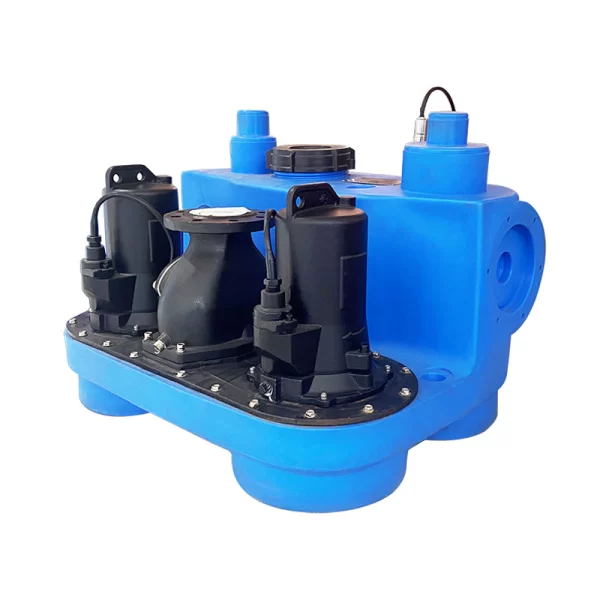
2. Best Practices for Storing Submersible and Sewage Pumps
Submersible and sewage pumps operate in harsh environments. Their storage needs are specific to prevent damage from residual contaminants.
- Submersible Pumps:
- Clean Externally: Thoroughly clean the exterior of the pump, removing any sludge or debris.
- Flush Internally: Run clean water through the pump to flush out any internal contaminants.
- Dry Completely: Allow the pump to dry completely, both internally and externally.
- Vertical Storage: Store the pump vertically to prevent stress on seals and motor components.
- Protect Cable: Inspect the power cable for damage and coil it neatly.
- Sewage Pumps:
- Decontaminate: Thoroughly clean and decontaminate the pump to remove hazardous residues.
- Disinfect: Disinfect the pump with an appropriate solution to eliminate bacteria and odors.
- Drain and Dry: Ensure all liquid is drained and the pump is completely dry.
- Lubricate: Lubricate any exposed moving parts and seals.
- Seal Openings: Cap all ports to prevent re-contamination and pest entry.
- Ventilated Storage: Store in a well-ventilated area to prevent odor buildup.
3. Maintaining Fire Fighting Pumps During Extended Downtime
Vertical Turbine Fire-Fighting Pump are critical for safety and require meticulous storage to ensure immediate readiness.
- Drain and Flush: Completely drain all water from the pump and associated piping. Flush with clean water to remove any sediments.
- Inspect and Repair: Conduct a thorough inspection for wear or damage. Replace any worn components immediately.
- Lubricate: Lubricate all bearings, shafts, and mechanical seals with suitable lubricants.
- Protect Engine (if diesel): For fire fighting diesel engine, follow engine manufacturer’s storage guidelines. This typically involves fuel stabilization, oil changes, and battery maintenance.
- Climate Control: Store in a dry, climate-controlled environment to prevent corrosion and material degradation.
- Periodic Checks: Perform monthly checks on the pump, including rotating the shaft and inspecting for moisture.
If you’re interested, check 《Empowering Fire Safety with Vertical Turbine Fire-Fighting Pumps: Efficiency Meets Reliability》.
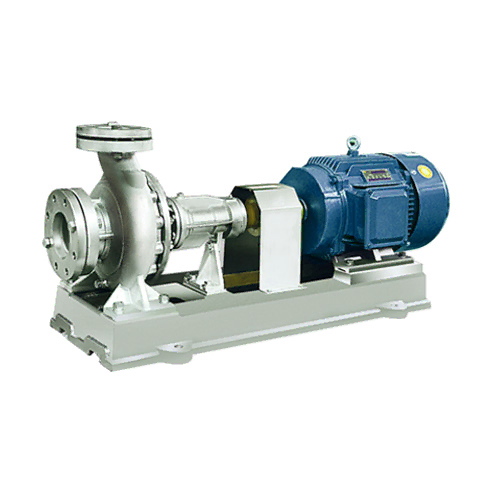
4. Special Care for Heat Conducting Oil Pumps in Storage
Heat Conducting Oil Pump operate at high temperatures and require specific storage considerations to prevent internal damage.
- Cool Down: Allow the pump to cool completely before beginning storage procedures.
- Drain Oil: Drain all heat conducting oil from the pump and system.
- Flush with Cleaning Agent: Flush the pump with a suitable cleaning agent to remove residual oil and prevent coking.
- Dry Thoroughly: Ensure the pump is completely dry after flushing.
- Inert Gas Purge: For long-term storage, consider purging the pump with an inert gas like nitrogen. This prevents internal oxidation.
- Seal Openings: Cap all ports to prevent dust and moisture ingress.
- Lubricate Bearings: Lubricate bearings with high-temperature grease.
- Store in Moderate Conditions: Store in a dry area with stable temperatures, avoiding extreme cold that could affect residual oil properties.
Post-Storage Procedures for Recommissioning Your Water Pump
After a period of storage, proper recommissioning is essential. This ensures safe and efficient operation.
1. Inspecting the Pump Before Reinstallation
A thorough inspection prevents potential failures and ensures readiness.
- Visual Check: Examine the pump for any visible damage, corrosion, or signs of pest activity.
- Check Seals: Inspect all seals and gaskets for cracking or hardening. Replace if necessary.
- Rotate Shaft: Manually rotate the pump shaft to ensure it turns freely without resistance.
- Electrical Continuity: Verify electrical continuity and insulation integrity using a multimeter.
- Tighten Fasteners: Check and tighten all bolts, nuts, and connections.
2. Priming and Testing the Pump After Storage
Proper priming and testing are crucial for preventing dry running and ensuring correct operation.
- Fill with Liquid: For non-self-priming pumps, fill the pump casing with the appropriate liquid.
- Bleed Air: Open air release valves to bleed any trapped air from the system.
- Check for Leaks: Before starting, check all connections for leaks.
- Short Test Run: Perform a short test run to observe pump operation, pressure, and flow.
- Monitor Performance: Monitor for unusual noises, vibrations, or overheating during the initial operation.
3. Regular Maintenance Checks to Ensure Longevity
Consistent maintenance extends the pump’s operational life and prevents unexpected breakdowns.
- Lubrication Schedule: Adhere to a regular lubrication schedule for bearings and moving parts.
- Seal Inspection: Periodically inspect seals and replace them at recommended intervals.
- Vibration Analysis: Conduct vibration analysis to detect early signs of bearing or impeller issues.
- Electrical Checks: Regularly inspect electrical connections and wiring for wear or damage.
- Performance Monitoring: Track pump performance metrics like flow, pressure, and power consumption. This helps identify deviations.
| Pump Type | Key Storage Consideration | Recommended Environment | Frequency of Checks (Long-Term) |
|---|---|---|---|
| Centrifugal Pump | Thorough draining, shaft rotation | Dry, moderate temperature, ventilated | Quarterly |
| Submersible Pump | Complete drying, vertical storage | Dry, frost-free | Bi-annannually |
| Fire Fighting Pump | System readiness, engine care | Climate-controlled, secure | Monthly |
| Heat Conducting Oil Pump | Oil drainage, inert gas purge | Dry, stable temperature | Quarterly |
| Booster System | Electronic protection, tank drain | Dry, moderate temperature | Quarterly |
Contact Shanghai Yimai Industrial Co., Ltd. Today
Optimizing the lifespan of your water pumps requires expert knowledge and reliable solutions. Shanghai Yimai Industrial Co., Ltd. provides high-quality pumps and comprehensive support. Contact us for tailored advice on pump selection, maintenance, and storage.
Email: tony@yimaipump.com
Phone/WhatsApp: +86 134 8229 5009
FAQs
1. How often should I inspect my stored water pump?
For long-term storage (over six months), we recommend inspecting your water pump quarterly. This includes checking for corrosion, seal integrity, and manually rotating the shaft. More frequent checks may be necessary in high-humidity or extreme temperature environments.
2. Can I store a water pump outdoors?
Storing a water pump outdoors is generally not recommended. Outdoor exposure to elements like rain, snow, direct sunlight, and extreme temperatures can accelerate corrosion, degrade seals, and damage electrical components. If unavoidable, use robust, waterproof covers and elevate the pump.
3. What is the best way to prevent seals from drying out during storage?
To prevent seals from drying out, clean them thoroughly and apply a thin layer of silicone grease or petroleum jelly. Manually rotating the pump shaft periodically also helps redistribute lubricant and prevents seals from sticking or hardening.
4. How do I prepare a booster pump system for long-term storage?
For a booster pump system, first isolate and depressurize it. Then, completely drain all water from the tanks and pipes. Disconnect and protect electronic controls, and cover the entire system with a breathable cover.
5. What are the signs of a poorly stored water pump upon recommissioning?
Signs of a poorly stored pump include visible rust or corrosion, stiff or seized shafts, cracked or brittle seals, damaged electrical wiring, and unusual noises or leaks during initial operation. These indicate potential internal damage and require immediate attention.