Pump Station Automation: What You Should Know for Modern Systems
Modern pump stations face increasing demands for efficiency, reliability, and reduced operational costs. Manual operations often lead to inefficiencies, energy waste, and increased maintenance. Embracing automation transforms these challenges into opportunities for optimized performance. We will explore the essential components, benefits, and applications of automated pump stations, providing insights for engineers and facility managers seeking to upgrade their systems.
Understanding the Fundamentals of Pump Station Automation
1. Defining Pump Station Automation and Its Core Principles
Pump station automation integrates advanced control systems, sensors, and communication technologies to manage pumping operations autonomously. This involves monitoring fluid levels, pressure, flow rates, and equipment status in real-time. The core principle is to optimize pump performance, minimize energy consumption, and ensure reliable fluid transfer without constant human intervention. Automated systems respond dynamically to changing conditions, maintaining desired operational parameters.
2. Key Benefits of Automating Your Pumping Operations
Automating pumping operations offers substantial advantages. Firstly, it significantly reduces operational costs through energy optimization and minimized labor requirements. Secondly, automation enhances system reliability and extends equipment lifespan by preventing overload and ensuring timely maintenance. Thirdly, remote monitoring and control capabilities improve response times to anomalies, reducing downtime. Finally, automated systems ensure consistent performance, meeting regulatory compliance and environmental standards more effectively.
If you’re interested, check 《Booster Water System Design: 5 Steps to Guaranteed Constant Pressure》.
3. The Evolution of Pump Stations: From Manual to Intelligent Systems
Historically, pump stations relied on manual control and periodic inspections. The evolution began with basic electromechanical controls, progressing to programmable logic controllers (PLCs) for sequential operations. Today, intelligent systems incorporate sophisticated algorithms, artificial intelligence, and machine learning. These advanced systems predict maintenance needs, adapt to variable demand, and integrate seamlessly with broader infrastructure networks. This shift represents a move towards proactive, data-driven management.
Essential Components and Technologies in Automated Pump Stations
1. Integrating Variable Frequency Drives (VFDs) for Optimal Performance
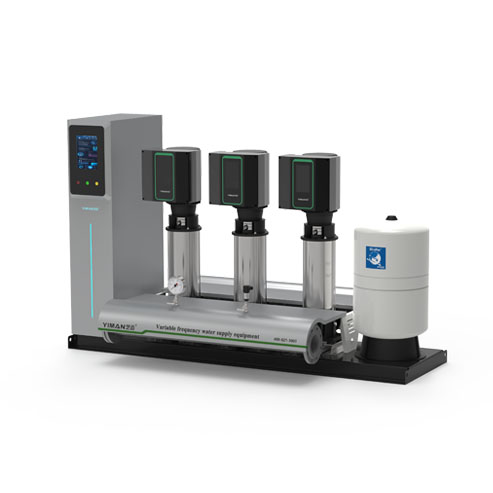
Variable Frequency Drives (VFDs) are crucial for modern pump station automation. VFDs adjust the motor speed, and consequently the pump’s output, to match real-time demand. This eliminates the need for throttling valves, significantly reducing energy consumption and wear on mechanical components. For instance, our VFD Controlled Booster System offers precise pressure adjustment accuracy and high overload capacity, ensuring optimal performance across various applications.
2. The Role of Sensors and Monitoring Devices in Smart Pump Stations
Sensors are the eyes and ears of an automated pump station, collecting critical data on fluid levels, pressure, flow, temperature, and vibration. These devices provide real-time feedback to the control system, enabling precise adjustments and early detection of potential issues. For example, pressure transducers monitor discharge pressure, while level sensors track water levels in sumps or reservoirs. This continuous data stream is vital for maintaining efficiency and preventing failures.
3. Implementing Advanced Control Systems and SCADA for Remote Management
Advanced control systems, often built around PLCs, interpret sensor data and execute control commands. Supervisory Control and Data Acquisition (SCADA) systems provide a centralized platform for monitoring and controlling multiple pump stations from a remote location. SCADA enables operators to visualize system status, analyze historical data, and manage alarms. This technology facilitates proactive management and rapid response, ensuring continuous operation and minimizing on-site visits.
4. Exploring Modern Pump Technologies for Enhanced Efficiency
Modern pump technologies are integral to automated systems. High-efficiency pumps, like our Vertical Multi-Stage Centrifugal Pump and Single stage end suction volute pump, are designed for optimal hydraulic performance and reduced energy consumption. Specialized pumps, such as Split casing double suction pump, handle large flow rates efficiently. In wastewater applications, robust Sewage Water Elevating System are engineered to manage solids effectively. These pumps, combined with automation, deliver superior performance and reliability.
Practical Applications of Automated Pump Stations Across Industries
1. Enhancing Water Supply and Distribution with Automation
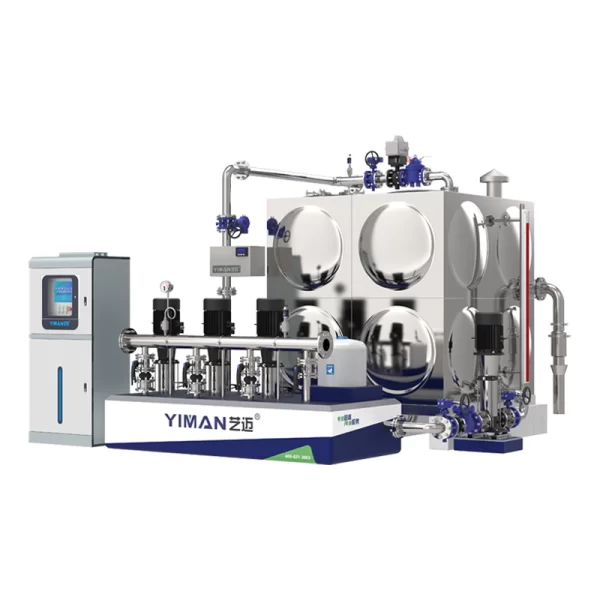
Automated pump stations play a pivotal role in municipal water supply and distribution networks. They ensure consistent water pressure, manage fluctuating demand, and minimize water loss. By optimizing pump scheduling and speed, these systems reduce energy costs associated with water treatment and delivery. Our Integrated Room Pump Station and VFD Controlled Booster System exemplify solutions for reliable and efficient water supply in urban and residential areas.
If you’re interested, check 《Modular Integrated Water Plant: Redefining Speed and Sustainability in Smart Water Management》.
2. Optimizing Wastewater and Sewage Management Systems
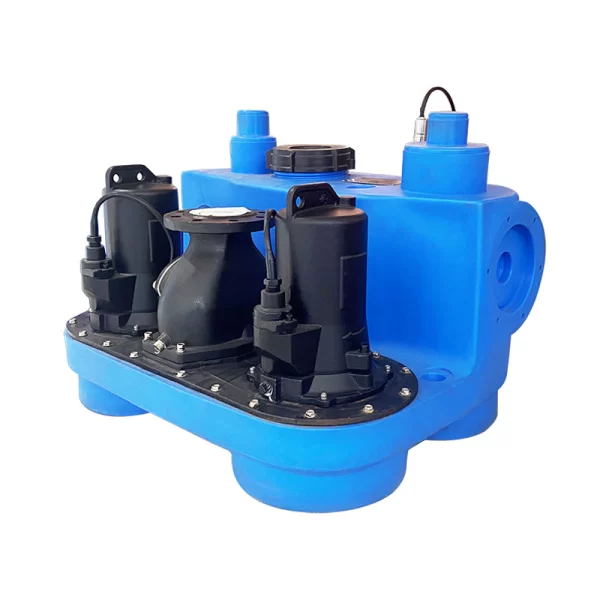
In wastewater and sewage management, automation prevents overflows, reduces environmental impact, and lowers operational expenses. Automated systems monitor inflow rates, control pump cycles, and manage sludge removal. This ensures efficient transport of wastewater to treatment facilities. Our Sewage Water Elevating System is designed for reliable operation in challenging environments, preventing blockages and ensuring continuous flow.
3. Improving Industrial Process Efficiency and Reliability
Industrial processes often require precise fluid transfer and pressure control. Automated pump stations provide the accuracy and reliability needed for critical operations in manufacturing, chemical processing, and power generation. They help maintain stable operating conditions, prevent costly downtime, and ensure product quality. For example, Heat Conducting Oil Pump are used in industrial heating applications, benefiting from automated temperature control and circulation.
4. Addressing Challenges in Agricultural and Irrigation Pumping
Agricultural and irrigation systems benefit significantly from automation by optimizing water usage and energy consumption. Automated pump stations can adjust irrigation schedules based on soil moisture, weather forecasts, and crop needs. This precision reduces water waste and improves crop yields. Systems can be remotely monitored and controlled, making them ideal for large-scale farming operations.
Designing and Implementing an Effective Pump Station Automation System
1. Critical Considerations for System Planning and Design
Effective automation begins with thorough planning. This involves assessing current infrastructure, identifying operational pain points, and defining performance objectives. Key considerations include flow requirements, pressure demands, energy efficiency targets, and environmental conditions. Selecting appropriate pump types, control hardware, and software is crucial for system longevity and performance. We recommend a detailed site assessment and hydraulic analysis to inform design choices.
2. Ensuring Seamless Integration and Commissioning Processes
Seamless integration requires careful coordination between mechanical, electrical, and control engineering teams. All components, from pumps and motors to sensors and SCADA systems, must communicate effectively. Commissioning involves rigorous testing to verify system functionality, calibrate instruments, and optimize control parameters. A well-executed commissioning process ensures the automated system operates as intended from day one.
3. Best Practices for Maintenance and Long-Term Operational Excellence
Long-term operational excellence relies on robust maintenance practices. This includes regular inspections, preventive maintenance, and predictive maintenance strategies utilizing sensor data. Training personnel on automated system operation and troubleshooting is also essential. Implementing a comprehensive maintenance program minimizes unexpected failures, extends equipment life, and sustains high levels of efficiency.
4. Future Trends and Innovations in Pump Station Automation
The future of pump station automation points towards greater intelligence and connectivity. Expect further integration of AI and machine learning for predictive analytics and self-optimization. The Internet of Things (IoT) will enable more extensive remote monitoring and control, facilitating smart city initiatives and integrated utility management. Energy storage solutions and renewable energy sources will also become more prevalent, enhancing sustainability.
Partner with Shanghai Yimai Industrial Co., Ltd.
Optimizing your pump station operations with advanced automation solutions can lead to significant improvements in efficiency, reliability, and cost savings. Shanghai Yimai Industrial Co., Ltd. specializes in providing integrated pre-casting pump stations, booster water systems, and VFD controlled booster systems, alongside a comprehensive range of high-quality pumps and motors. Our expertise ensures you receive tailored solutions that meet your specific operational needs and future-proof your infrastructure. Contact us today to discuss your project requirements and discover how our innovative solutions can benefit your organization.
Email: tony@yimaipump.com
Phone/WhatsApp: +86 134 8229 5009
FAQs
1. What are the primary advantages of automating a pump station?
Automating a pump station offers numerous benefits, including significant reductions in energy consumption and operational costs. It enhances system reliability, extends the lifespan of equipment, and provides real-time monitoring and control capabilities. This leads to improved response times, reduced downtime, and consistent performance that meets regulatory standards.
2. How do VFDs contribute to pump station automation?
VFDs are essential for pump station automation because they allow the speed of Electric Motor to be adjusted based on demand. This precise control prevents unnecessary energy waste from constant full-speed operation and reduces mechanical stress on pumps. Consequently, VFDs optimize energy efficiency and prolong equipment life.
3. What is SCADA and why is it important for automated pump stations?
SCADA (Supervisory Control and Data Acquisition) is a system that enables centralized monitoring and control of industrial processes, including automated pump stations. It collects data from sensors, processes it, and allows operators to manage the system remotely. SCADA is vital for real-time oversight, data analysis, alarm management, and efficient operational decision-making.
4. Can existing pump stations be upgraded to automated systems?
Yes, many existing pump stations can be successfully upgraded to automated systems. This process typically involves integrating new sensors, control panels, VFDs, and SCADA systems into the current infrastructure. A thorough assessment of the existing setup is necessary to determine the most effective and cost-efficient upgrade path.
5. What factors should be considered when selecting an automated pump station solution?
When selecting an automated pump station solution, consider factors such as flow rate and pressure requirements, energy efficiency goals, and the type of fluid being pumped. Evaluate the scalability of the system, ease of integration with existing infrastructure, and the level of remote monitoring and control desired. Long-term maintenance and support are also crucial considerations.