
Dewatering Press vs Centrifuge: Choosing the Best Sludge Solution
Selecting the optimal sludge dewatering technology can shape outcomes across industrial and municipal operations. We’ve seen how small choices in solid-liquid separation ripple through cost, compliance, and day-to-day reliability. Here, we compare dewatering presses and centrifuges, covering operational principles, performance metrics, economics, and where each tends to fit best. The aim is practical: give you what you need to make a confident, informed choice for your specific needs.
Understanding the Fundamentals: How Dewatering Presses and Centrifuges Operate
Effective sludge dewatering relies on distinct mechanical principles. We will explore how both dewatering presses and centrifuges achieve solid-liquid separation. Each technology utilizes unique mechanisms and components to extract water from sludge, impacting overall efficiency and cake dryness. Understanding these fundamentals is crucial for selecting the appropriate system.
1. The Operational Mechanics of a Dewatering Press
Dewatering presses, such as screw presses or filter presses, employ mechanical pressure and filtration media. These systems operate either in batches or continuously. Sludge enters the press, where it is subjected to increasing pressure. Water is forced through a permeable filter cloth or screen. The solids are retained, forming a dewatered cake. The specific design of the press dictates the pressure application and the efficiency of water removal.
2. The Centrifugal Force in Sludge Dewatering
Centrifuges utilize high-speed rotation to separate solids from liquids. The sludge feeds into a rotating bowl. Centrifugal force, measured in G-forces, pushes denser solid particles to the bowl’s periphery. A rotating scroll, operating at a slightly different speed, conveys the dewatered solids to a discharge port. The lighter liquid, or centrate, overflows at the other end. This continuous process is highly effective for various sludge types.
Key Performance Metrics: Comparing Efficiency and Sludge Cake Quality
Evaluating dewatering technologies calls for a close look at key performance indicators. We focus on sludge cake dryness, solids capture rates, and filtrate quality. These metrics directly affect downstream processes, disposal costs, and environmental compliance. Knowing where each technology excels helps you tune the overall system.
| Metric | Dewatering Press (Screw/Filter Press) | Centrifuge (Decanter) |
|---|---|---|
| Sludge Cake Dryness | 15-45% DS (Dry Solids) | 18-35% DS |
| Solids Capture Rate | 90-99% | 85-98% |
| Filtrate Quality | Low TSS (Total Suspended Solids) | Moderate to High TSS |
| Polymer Consumption | Low to Moderate | Moderate to High |
| Footprint | Smaller | Larger |
| Automation | Moderate to High | High |
Dewatering presses often achieve higher sludge cake dryness, particularly filter presses. This results in reduced volume and lower disposal costs. Centrifuges offer continuous operation and higher throughput. However, they may produce a wetter cake and require more polymer. Solids capture rates are generally high for both, but presses can achieve superior filtrate quality, crucial for discharge regulations.
Operational and Capital Costs: An Economic Analysis for Industrial Applications
The financial implications of dewatering technology selection are substantial. We analyze both initial investment (CAPEX) and ongoing operational expenses (OPEX). This includes energy consumption, polymer usage, maintenance, and labor. A holistic economic perspective supports long-term sustainability.
1. Initial Investment and Installation Considerations
The upfront capital costs for dewatering equipment vary considerably. Dewatering presses, especially larger filter presses, can have a significant initial investment due to their complex plate and frame structures. Centrifuges also represent a substantial CAPEX, particularly for high-capacity units, and often require robust support structures and ancillary equipment. Installation costs include civil works, piping, electrical connections, and commissioning. We recommend considering the total installed cost, not just the equipment purchase price.
2. Energy, Polymer, and Maintenance Expenditure
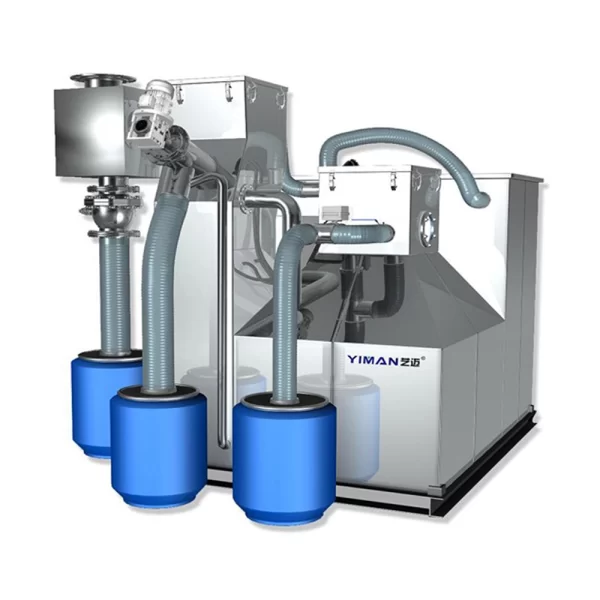
Ongoing operational costs are a major factor. Centrifuges typically have higher energy consumption due to their high-speed motors. Polymer consumption is another critical OPEX item; centrifuges often require more polymer to achieve desired dewatering levels compared to presses. Maintenance expenses include routine servicing, spare parts, and labor. Dewatering presses, particularly screw presses, may offer lower maintenance due to fewer high-speed moving parts. For efficient and eco-friendly compliance, consider implementing an 《Oil Water Separator System Efficient and Eco Friendly Compliance for Industrial Wastewater》 to manage industrial wastewater effectively.
Application Suitability: Matching Technology to Specific Sludge Characteristics and Industry Needs
Selecting the correct dewatering technology depends heavily on sludge characteristics and specific industry requirements. Sludge consistency, abrasiveness, and flow rates are key factors. Environmental regulations and desired outcomes also influence the choice. We help match the technology to your unique operational context.
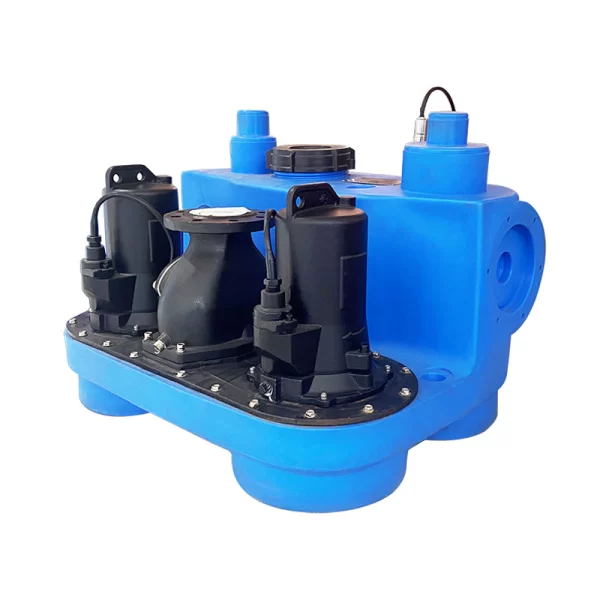
For municipal wastewater treatment, dewatering presses often provide excellent cake dryness for landfill or incineration. In industrial settings, such as food processing or chemical manufacturing, sludge characteristics can vary widely. For instance, oily sludges might benefit from specific centrifuge designs or pre-treatment. Highly abrasive sludges may necessitate robust press designs to minimize wear. We also offer 《Sewage Water Elevating System Intelligent Solutions for Reliable and Efficient Wastewater Management》 for efficient wastewater management.
Consider the following for optimal selection:
- Sludge Type: Is it municipal, industrial, oily, or biological? Each type responds differently to dewatering methods.
- Solids Content: What is the initial solids concentration of the sludge? This impacts throughput and efficiency.
- Desired Cake Dryness: What is the target dryness for disposal or further processing?
- Throughput Requirements: What volume of sludge needs to be processed per hour or day?
- Space Constraints: How much physical space is available for the dewatering equipment?
- Environmental Regulations: What are the local discharge limits for filtrate quality?
Advantages and Disadvantages: A Balanced Perspective on Each Dewatering Solution
Both dewatering presses and centrifuges offer distinct benefits and drawbacks. We provide a balanced overview to aid your decision-making. Factors like footprint, automation levels, noise, and adaptability to varying sludge loads are important considerations.
| Feature | Dewatering Press | Centrifuge |
|---|---|---|
| Advantages | Higher cake dryness, lower polymer use, better filtrate quality, smaller footprint. | Continuous operation, high throughput, robust for varying sludge quality, high automation. |
| Disadvantages | Batch operation (filter press), lower throughput (screw press), higher labor needs. | Higher energy consumption, higher polymer use, higher noise, more complex maintenance. |
| Footprint | Generally smaller, ideal for limited space. | Larger, requires more space for operation and maintenance. |
| Automation | Can be automated, but some types require manual intervention. | Highly automated, minimal operator intervention. |
| Noise Levels | Relatively low. | Higher due to high-speed rotation. |
| Adaptability | Less adaptable to sudden changes in sludge characteristics. | More tolerant of variations in sludge flow and consistency. |
We often find that for facilities with limited space and a focus on maximizing cake dryness, a dewatering press is a strong contender. Conversely, for operations requiring high throughput and continuous processing, a centrifuge might be more suitable. For optimizing sewage elevating systems for peak performance, explore our insights in 《Optimizing Your Sewage Elevating System for Peak Performance》.
What is the typical lifespan of a dewatering press compared to a centrifuge?
The typical lifespan of both dewatering presses and centrifuges can vary significantly based on maintenance, operating conditions, and sludge characteristics. Generally, with proper maintenance, both can last 10-20 years. Dewatering presses, particularly screw presses, are known for their robust construction and lower wear parts, potentially offering a longer service life in abrasive conditions. Centrifuges, with their high-speed rotating components, may require more frequent bearing and scroll maintenance.
How does polymer consumption differ between dewatering presses and centrifuges?
Polymer consumption can vary between dewatering presses and centrifuges, largely depending on the sludge type and desired dewatering efficiency. Centrifuges often require higher polymer dosages to achieve optimal flocculation and solids recovery due to the high shear forces involved. Dewatering presses, especially screw presses, can sometimes operate with lower polymer consumption, or even without polymer in certain applications, due to their gentler dewatering mechanism and longer residence time.
Which dewatering technology requires less floor space?
Generally, dewatering presses, particularly screw presses, tend to have a smaller footprint compared to centrifuges for similar throughput capacities. This makes presses a more suitable option for facilities with limited available floor space. Centrifuges, while efficient, often require more ancillary equipment and space for maintenance access due to their rotating components.
Can Yimai Industrial provide both dewatering press and centrifuge solutions?
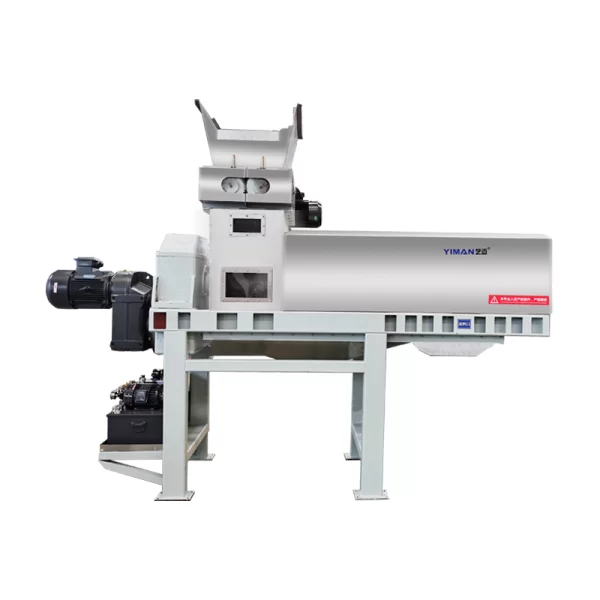
Yes, Shanghai Yimai Industrial Co., Ltd. is a professional manufacturer offering a comprehensive range of wastewater treatment systems, including various dewatering solutions. We specialize in equipment like the Double Helix Continuous Presser and can provide guidance and solutions for centrifuge applications as well, ensuring you get the most suitable technology for your specific dewatering challenges. Contact us to discuss your project requirements.
Optimize Your Sludge Management
Ready to optimize your sludge dewatering process? Contact Shanghai Yimai Industrial Co., Ltd. for expert consultation and customized solutions tailored to your specific needs. Our team is here to help you choose the ideal dewatering press or centrifuge.
Email: overseas1@yimaipump.com
Phone/WhatsApp: +86 13482295009