
Recycle Textile and Paper Waste: A Comprehensive Guide
Waste keeps finding its way into places it shouldn’t, and textiles and paper make up a larger share of that pile than most expect. Left unmanaged, they strain landfills and drain resources; handled well, they become feedstock for new products. Here, we unpack how recycling these materials works in practice, the environmental gains it delivers, and the industrial solutions that improve efficiency and resource recovery.
Understanding Textile Waste and Its Environmental Impact
Textile waste stems from discarded clothing, industrial scraps, and household linens. The sheer volume headed to landfills worldwide poses a significant environmental challenge. Textiles break down slowly, releasing greenhouse gases and leaching harmful chemicals into soil and groundwater. Producing new textiles consumes large amounts of water, energy, and raw materials, with dyeing and finishing processes that often pollute. The accumulation of textile waste accelerates resource depletion and drives broad environmental degradation.
The Process of Textile Recycling and Its Benefits
Textile recycling runs through several stages that convert discarded fabrics into new materials. The outcome is less landfill burden and conservation of natural resources. Mechanical recycling shreds fabrics into fibers, while chemical recycling breaks materials down to their molecular components. Both approaches deliver substantial ecological and economic benefits, including lower pollution and reduced energy use.
1. Collection and Sorting for Textile Reuse
Collection draws on donation bins, specialized drop-off centers, and curbside programs. Afterward, a careful sorting process begins. Workers categorize textiles by material composition such as cotton, wool, or synthetics, by condition (reusable, repurposable, or recyclable), and by color. This first pass is decisive for routing items toward reuse, repurposing, or recycling.
Understanding Paper Waste and Its Ecological Significance
Paper waste is widespread across commercial, industrial, and residential settings. Its footprint includes deforestation, high energy demand for virgin paper production, and landfill accumulation. In landfills, decomposing paper emits methane, a potent greenhouse gas. Broad paper recycling is vital for reducing these impacts and advancing sustainable resource management.
The Process of Paper Recycling and Its Advantages
Paper recycling converts used paper into new products through defined steps. Collection comes first, followed by pulping, where paper is mixed with water to form a slurry. Contaminants are removed, the pulp is de-inked, then pressed and dried into new paper. Compared to producing from virgin materials, this cycle cuts deforestation, saves energy, and decreases water pollution.
1. Collection and Preparation for Paper Mills
Different paper grades such as newspapers, cardboard, and office paper are collected separately to improve processing. At recycling facilities, materials are inspected to remove non-paper contaminants like plastics, metals, and food waste. This preparation protects machinery at paper mills and maintains the quality of recycled pulp.
Industrial Solutions for Textile and Paper Waste Management
We provide advanced industrial technologies for large-scale textile and paper waste processing. Our machinery, including shredders and pressers, supports efficient recycling and resource recovery. These solutions align with Shanghai Yimai’s expertise in environmental engineering, delivering robust systems for varied waste streams. The emphasis stays on maximizing material recovery and minimizing environmental footprints.
1. Advanced Shredding and Pressing Technologies
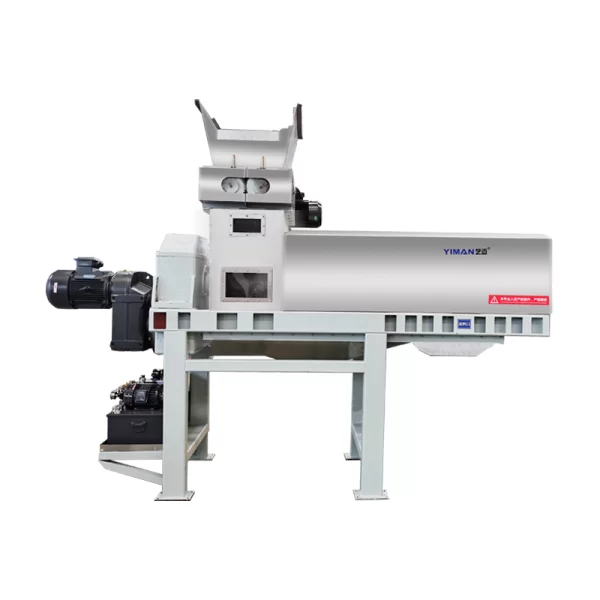
Our Double Shaft Shredder Machine are integral for size reduction, efficiently breaking down bulky textile and paper waste into manageable fragments. Following shredding, our Double Helix Continuous Presser machines excel at dewatering and compacting materials. This dual action significantly reduces waste volume, preparing it for subsequent processing or transport. These technologies enhance the efficiency of industrial recycling operations.
2. Integrated Waste Treatment Systems
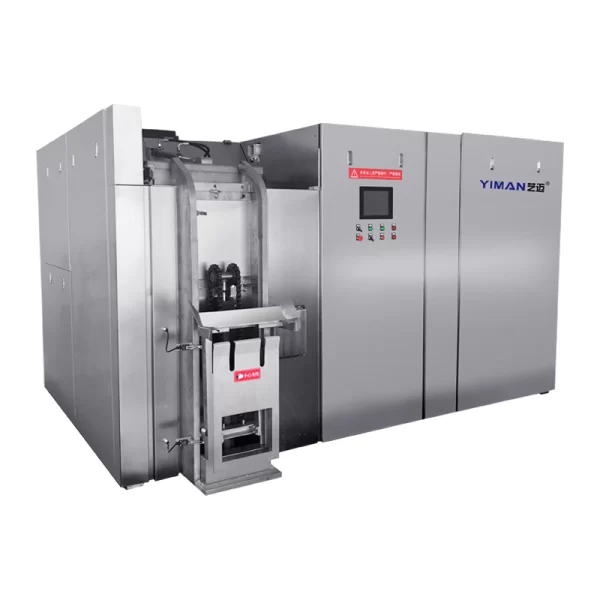
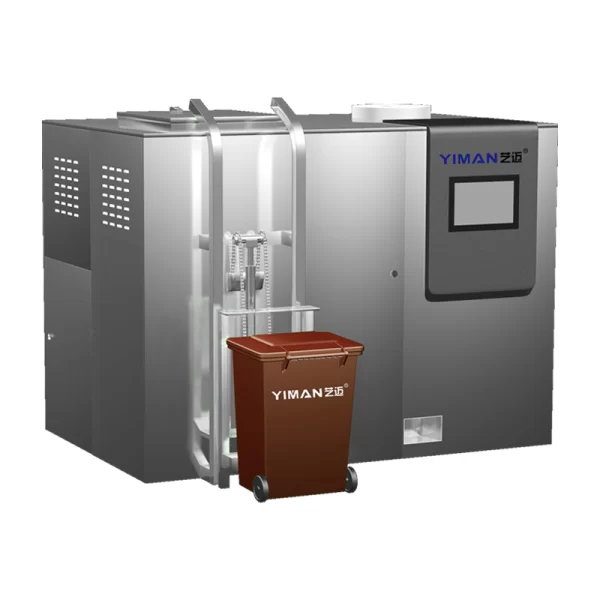
We design comprehensive facilities that integrate various components, including Organic Waste Treatment System and other specialized machinery. These systems work in concert to create efficient recycling facilities. Our integrated approach ensures optimal resource recovery and minimizes environmental impact. We tailor solutions to meet specific industrial requirements.
For those interested in exploring our broader range of products, we recommend reviewing our product catalog. This resource provides detailed information on all our offerings, including our advanced waste treatment solutions. Article Recommendation:《Organic Waste Treatment System 90 Resource Conversion Powering the Zero Waste Revolution》
The Future of Waste Recycling Towards a Circular Economy
The trajectory of waste recycling points toward a circular economy focused on resource utilization and waste minimization. Emerging trends include advanced material separation and innovative chemical recycling methods for textiles. Policy frameworks are expanding extended producer responsibility and incentivizing sustainable practices. Progress depends on collective responsibility across industries, governments, and consumers to build a truly circular system.
FAQs
What types of textiles can be recycled?
Most textiles, including cotton, wool, denim, and synthetic blends, can be recycled. Items such as old clothes, towels, bedding, and some carpets are accepted. Items contaminated with hazardous materials or excessive dirt are generally unsuitable. We ensure only appropriate materials enter our recycling processes.
Can all types of paper be recycled?
Most paper products like newspapers, magazines, cardboard, and office paper are recyclable, but not all items qualify. Waxed paper, heavily soiled paper (e.g., pizza boxes), tissue paper, and paper contaminated with food or plastic coatings can disrupt pulping and are excluded. Proper sorting keeps the process effective.
How do industrial shredders benefit textile and paper recycling?
Industrial shredders, such as Double Shaft Shredder Machine, reduce the volume and size of textile and paper waste. Smaller, uniform pieces are easier to handle, transport, and feed into subsequent recycling stages, improving overall efficiency and preparing material for fiber recovery or further treatment. Our shredders are engineered for robust performance.
What is the role of a double screw continuous presser in recycling?
A Double Helix Continuous Presser dewaters and compacts waste materials, including certain textile and paper sludge. By removing excess water, it cuts weight and volume, lowering disposal costs and improving handling for further processing or disposal. This step strengthens material preparation.
How does Shanghai Yimai contribute to sustainable waste management?
Shanghai Yimai Industrial Co., Ltd. delivers solutions for solid-garbage waste treatment, including advanced machinery like double-shaft shredders and double screw continuous pressers. Our integrated systems process varied waste streams efficiently, supporting resource recovery and a more sustainable, circular economy. We remain committed to environmental stewardship.
Optimize Your Waste Management
Ready to optimize your waste management processes? Contact Shanghai Yimai Industrial Co., Ltd. today to learn more about our advanced industrial solutions for textile and paper waste recycling. Our experts are here to help you implement efficient and sustainable systems. Email us at overseas1@yimaipump.com or call/WhatsApp +86 13482295009.