
Electric Motor Insulation Classes: A Comprehensive Technical Guide
Electric motor reliability comes down to insulation. Get this wrong, and you’re looking at unplanned shutdowns and expensive repairs. Get it right, and your motors run for years without complaint. The insulation system is what separates a motor that performs from one that fails when you need it most.
Understanding Electric Motor Insulation Systems
Electric motor insulation systems are built from materials that keep conductive components electrically separated. They stop current leakage and short circuits, two of the most common ways industrial motors fail. The insulation has to handle electrical stress, heat, mechanical forces, and whatever contaminants the environment throws at it. When the insulation does its job, the motor runs safely and efficiently for its full service life.
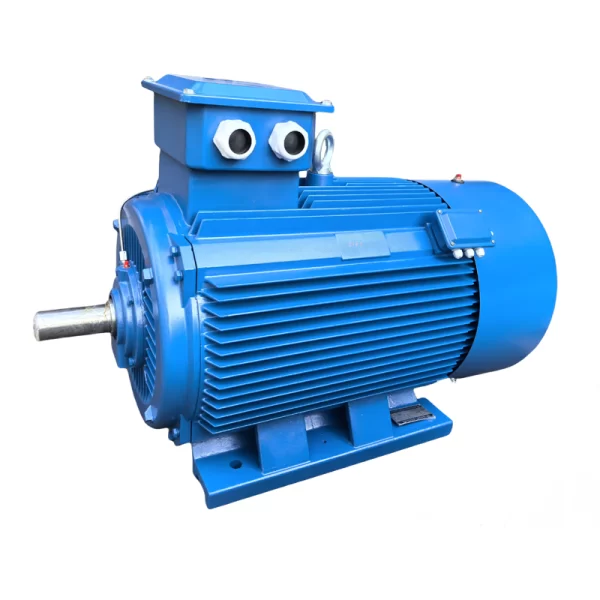
Key Properties of Insulation Materials
Good insulation materials share a few non-negotiable properties. High dielectric strength lets them resist electrical breakdown when voltage spikes hit. Thermal endurance keeps them stable when temperatures climb. Mechanical strength matters because motors vibrate, and windings move. Chemical resistance protects against oils, solvents, and moisture that would otherwise eat away at the material over time. These properties together determine whether an insulation system can handle a specific application or not.
Factors Influencing Insulation Degradation
Insulation breaks down for predictable reasons. Thermal aging tops the list. Run a motor hot for long enough, and the insulation starts to fail. Mechanical stress from vibration or repeated winding movement creates cracks and delamination. Chemical contamination, whether from corrosive substances or moisture getting in, weakens insulating properties. Electrical stress from voltage surges or partial discharges accelerates breakdown too. Knowing these failure modes lets you build maintenance strategies that actually work.
Decoding Insulation Thermal Classes
Insulation thermal classes group materials by their maximum allowable operating temperatures. These standardized classifications exist so motors perform reliably under specified thermal conditions. Each class sets a specific temperature limit that shapes motor design and determines where that motor can be used. Our YBX4 Explosion Proof Three Phase Electric Motor and YBX3 Explosion Proof Three Phase Electric Motor models use Class F insulation.
| Insulation Class | Max Operating Temperature (°C) | Material Examples |
|---|---|---|
| A | 105 | Organic materials |
| B | 130 | Mica, fiberglass |
| F | 155 | Synthetic resins |
| H | 180 | Silicone, polyimide |
| N | 200 | Inorganic, mica |
Impact on Motor Performance and Lifespan
The insulation class you choose shapes how long your motor lasts and how well it performs. Push a motor past its insulation class temperature limit, and degradation accelerates fast. Thermal stress cuts efficiency and raises the odds of electrical breakdown. The motor’s lifespan shrinks. Matching insulation class to actual operating conditions keeps performance where it should be and protects your investment.
We recently published an article on the importance of selecting reliable electric motors. For further insights, consider reading 《How to Find Reliable Electric Motors for Sale》
Selecting the Right Insulation Class for Industrial Applications
Picking the right insulation class means looking hard at your operating conditions. Ambient temperature, duty cycle, and environmental factors all play a role. A motor running in a hot environment needs a higher insulation class. One that runs intermittently might get by with a lower class. The goal is matching the insulation to the actual demands so you avoid premature failure and keep system design efficient.
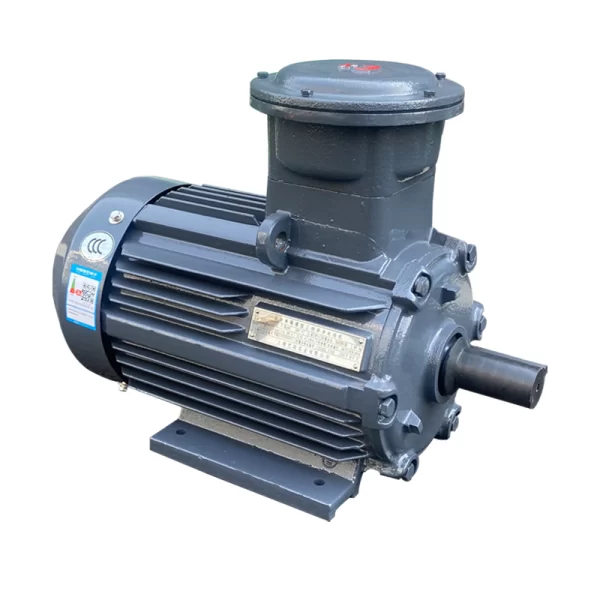
Our IE3 Three Phase Electric Motor and IE4 Three Phase Electric Motor products come with robust insulation built to handle varied industrial conditions.
Maintenance and Testing of Motor Insulation
Keeping motor insulation healthy requires regular attention. Routine inspections catch early warning signs like discoloration or cracking before they become failures. Diagnostic tests, including insulation resistance measurements and partial discharge analysis, give you hard numbers on insulation condition. These steps extend motor life and prevent the kind of failures that stop production. A solid maintenance program pays for itself in reduced downtime and lower repair bills.
For more information on optimizing motor reliability, we recommend reviewing 《Optimizing Three Phase Asynchronous Motor Reliability in Pump Systems A Technical Guide》.
Optimize Your Industrial Systems with Shanghai Yimai Expertise
At Shanghai Yimai Industrial Co., Ltd., we understand the critical role of robust electrical motor insulation in the longevity and efficiency of your industrial equipment. As professional manufacturers of high-quality electrical motors, water pumps, and integrated water systems, we engineer our products to meet the most demanding operational environments. Ensure unparalleled reliability and performance for your projects. Contact us today to discuss your specific requirements and discover how our advanced solutions can power your success. Email: overseas1@yimaipump.com | Phone/WhatsApp: +86 13482295009.
Frequently Asked Questions About Electric Motor Insulation
What are the different insulation classes for electric motors?
Electric motor insulation classes, such as Class A, B, F, and H, categorize insulation materials based on their maximum allowable operating temperatures. These classes are crucial for ensuring the motor’s longevity and preventing thermal degradation under various operational conditions. Each class specifies a different temperature limit, directly influencing the motor’s design and application. Our YBX4 Explosion-Proof Three-Phase Electric Motor features Class F insulation, ensuring reliable operation up to 155°C.
How do insulation classes impact motor performance and lifespan?
The insulation class profoundly impacts a motor’s performance and lifespan by defining its thermal endurance. Operating a motor above its designated insulation class temperature can lead to rapid insulation degradation, reducing efficiency, increasing the risk of electrical breakdown, and significantly shortening the motor’s overall lifespan. Proper selection ensures optimal performance and extended service life. This is why we prioritize high-grade insulation in our Vertical Multi Stage Centrifugal Pump and other motor-driven products.
What factors contribute to electric motor insulation failure?
Electric motor insulation failure is commonly caused by a combination of factors including thermal aging due to excessive operating temperatures, mechanical stress from vibration or winding movement, chemical contamination from oils or solvents, and electrical stress from voltage surges or partial discharges. Understanding these factors is key to implementing effective preventative maintenance strategies. Our designs, like those in our Heat Conducting Oil Pump, account for these stresses.