Intelligent Waste Food Systems: Optimize Hotel & Restaurant Profit
Food waste in hotels and restaurants has become one of those operational headaches that quietly drains budgets while regulators tighten the screws. I’ve watched disposal costs climb year after year, and the math eventually forces a decision: keep paying more for the same inefficient system, or invest in something that actually solves the problem. Intelligent waste food systems represent that second path—turning what was purely a cost center into something closer to a managed resource stream with measurable returns.
Why Hospitality Operations Can No Longer Ignore Food Waste Economics
The hospitality sector loses between 4-10% of food purchasing costs to waste alone. That percentage sounds modest until you calculate it against annual food budgets running into hundreds of thousands or millions. Disposal fees keep rising, and environmental regulations compliance requirements grow stricter each year. What used to be a simple matter of filling dumpsters now involves documentation, diversion targets, and potential penalties.
Proactive food waste reduction has shifted from nice-to-have to operational necessity. The pressure comes from multiple directions: waste disposal cost savings directly affect margins, while sustainability initiatives hotels pursue increasingly demand measurable outcomes rather than vague commitments.
Breaking Down Where Commercial Kitchen Waste Actually Comes From
Commercial kitchens generate waste in two distinct streams that require different management approaches. Pre-consumer waste includes preparation scraps, trim, and spoiled inventory—the stuff that never reaches a plate. Post-consumer waste covers plate scrapings, buffet discards, and unconsumed portions.
This distinction matters because the solutions differ. A thorough commercial kitchen waste audit typically reveals that up to 70% of food waste could have been avoided with better forecasting, storage, or portion control. Pre-consumer waste solutions often involve process changes and inventory management, while post-consumer waste solutions focus more on processing and diversion.
The Limitations of Conventional Waste Handling Methods
Traditional waste management creates problems beyond simple inefficiency. Manual waste handling costs consume labor hours that could go toward guest service or food preparation. Staff members hauling bins, managing overflowing containers, and dealing with the inevitable spills represent hidden operational drag.
Then there’s the hygiene dimension. Conventional systems struggle with odor control pest management, creating environments that affect both guest experience and kitchen staff morale. The smell of decomposing food waste in a back-of-house area isn’t just unpleasant—it signals a system that isn’t working. Inefficient waste disposal methods compound these issues by requiring more frequent handling and creating more opportunities for contamination.
The Technology Behind Modern Intelligent Waste Food Systems
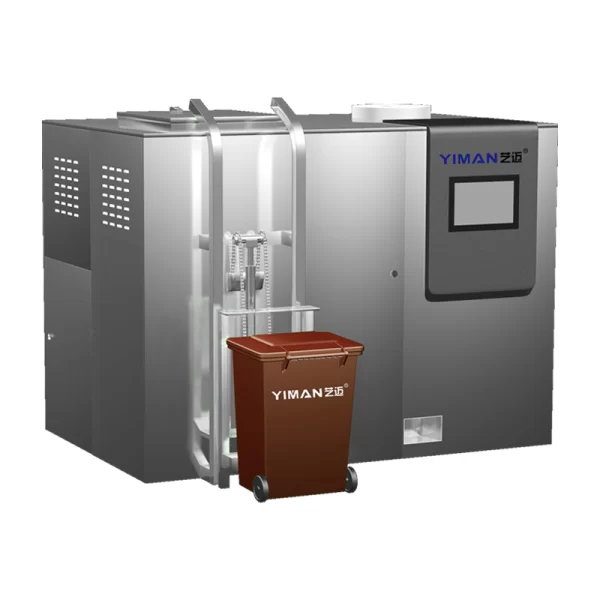
Intelligent waste food systems combine IoT sensors, automated processing, and data analytics to handle organic waste in ways that weren’t possible a decade ago. Facilities implementing these systems typically see waste generation drop by 15-20% through the combination of better measurement and operational feedback loops.
The real shift is conceptual as much as technological. Instead of treating food waste as garbage to be removed, these systems treat it as organic material to be processed and potentially converted into something useful—biogas, compost, or reduced-volume output that costs less to haul away.
Core Processing Technologies That Make the Difference
Modern food waste processing equipment relies on several integrated technologies working together. Bio-digester technology accelerates the breakdown of organic matter through controlled biological processes. Dewatering systems food waste extract moisture, dramatically reducing both volume and weight—which directly translates to lower disposal costs since most waste haulers charge by weight or volume.
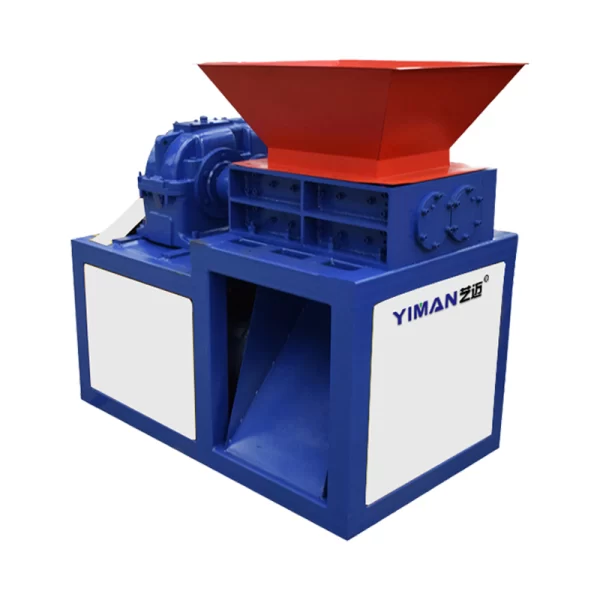
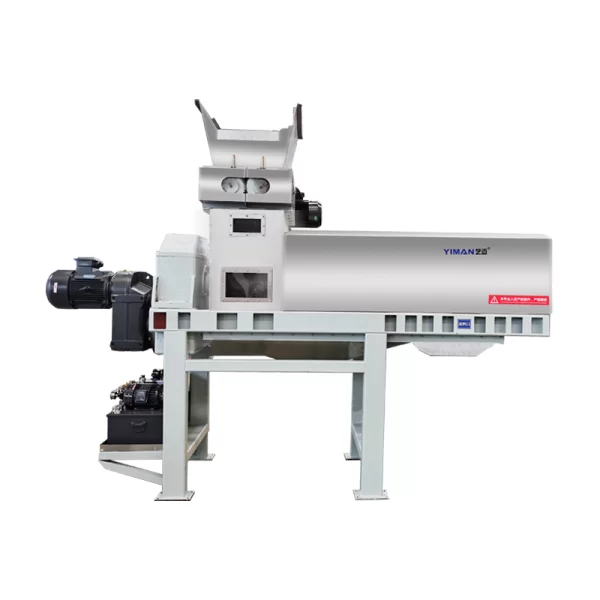
Shanghai Yimai Industrial Co., Ltd. manufactures the mechanical components that form the backbone of these systems. Their Double Shaft Shredder Machine (Model: YMPS) handles processing capacities up to 10,000 Kg/h, breaking material down to 6-10 mm particle size for efficient downstream processing. The Double Helix Continuous Presser (Model: YMYZJ) achieves similar throughput with a 50% decrement rate, meaning half the original mass gets removed as liquid before the solids move to the next stage.
Using Data to Prevent Waste Before It Happens
The intelligence in intelligent waste food systems comes from continuous measurement and analysis. Real-time waste audit and analytics capabilities track exactly what’s being discarded, when, and in what quantities. Over time, patterns emerge that inform operational decisions.
AI in waste management enables predictive approaches rather than reactive ones. If the system identifies that Tuesday dinner service consistently generates excess prepared vegetables, that insight can drive menu planning or prep quantity adjustments. The goal shifts from managing waste efficiently to generating less waste in the first place.
Financial Returns and Environmental Gains from Intelligent Waste Food Systems
The ROI food waste systems deliver comes through multiple channels. Direct savings from reduced disposal fees typically run 20-30% annually—a meaningful number for operations already running on tight margins.
| Feature | Traditional System | Intelligent System (Shanghai Yimai) |
|---|---|---|
| Disposal Costs | High & increasing | Reduced by 20-30% |
| Labor Efficiency | High manual effort | Automated, reduced labor |
| Odor/Pest Control | Challenging, inconsistent | Integrated, effective |
| Data & Analytics | None | Real-time, predictive |
| Resource Recovery | Minimal | High (biogas, fertilizer) |
| Environmental Impact | High landfill contribution | Significantly reduced |
Where the Savings and Revenue Actually Come From
The most immediate savings hit the waste disposal line item. Landfill fees keep climbing, and reducing volume or weight directly reduces those costs. Labor costs waste handling drop as automated systems replace manual bin management and transport.
Some operations find revenue opportunities beyond cost reduction. Biogas production food waste can offset energy costs, with larger systems generating biogas equivalent to 10-20% of a facility’s energy needs. Fertilizer from organic waste creates a marketable byproduct for operations with the scale and logistics to pursue that channel.
The Brand Value of Genuine Environmental Commitment
Consumer research consistently shows that around 70% of customers prefer brands with demonstrated sustainability commitments. The key word is demonstrated—vague claims don’t move the needle, but verifiable waste diversion metrics do.
Pursuing green hotel certification or implementing sustainable restaurant practices through intelligent waste management creates documentation that supports corporate social responsibility hospitality claims. Eco-conscious consumers increasingly research these credentials before booking or dining, making genuine environmental performance a competitive differentiator.
Planning and Executing an Intelligent Waste Food System Installation
Implementation works best as a phased process rather than a sudden overhaul. Disrupting kitchen operations during peak periods creates problems that can overshadow the eventual benefits. Shanghai Yimai Industrial Co., Ltd. develops customized waste management solutions that account for each facility’s specific constraints and waste profiles.
The typical implementation sequence follows this pattern:
- Assessment: Detailed analysis of current waste streams, volumes, and operational workflows
- Design: System configuration with appropriate processing capacities (Intelligent Waste Food Treatment System units range from 50 to 3000 Kg/per time)
- Installation: Professional installation process intelligent systems scheduled to minimize operational downtime
- Training: Comprehensive staff training waste segregation and system operation protocols
- Support: Ongoing maintenance and technical assistance for sustained performance
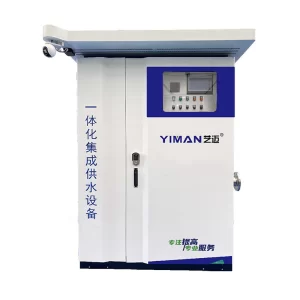
Larger facilities may benefit from integrated waste solutions that include a modular intelligent integrated water plant for comprehensive environmental management.
Meeting Regulatory Requirements and Building Long-Term Environmental Performance
Environmental regulations around food waste continue to tighten across most jurisdictions. Intelligent waste food systems simplify compliance by providing documentation, achieving diversion targets, and meeting food safety hygiene standards that regulators increasingly scrutinize. The cost of non-compliance fines often exceeds the investment in proper systems.
Government incentives waste management programs in many regions offset adoption costs for advanced processing technology. These incentives recognize that commercial food waste represents a significant portion of the organic material entering landfills, and diverting it serves broader environmental goals.
Shanghai Yimai Industrial Co., Ltd. also manufactures Sewage Water Treatment System equipment for facilities requiring comprehensive wastewater management alongside solid waste processing. Their systems meet stringent discharge and processing standards, addressing multiple environmental compliance requirements through integrated solutions.
Frequently Asked Questions
If you’re interested, check out these related articles:
Sewage Treatment Conference for Environmental Protection Seminar Attended by Yimai Industrial
Integrated Prefabricated Pump Stations The Smart Sustainable Choice for Modern Infrastructure
From High Bills to Precision Power the Yimai YPT3 Variable Frequency Speed Regulating Motor
YBBPX3 Variable Frequency Speed Regulating EX Motor Ultra Efficiency Redefining Safety in Hazardous Zones
What are the typical ROI timelines for intelligent food waste systems in hospitality?
Most hotels and restaurants see return on investment within 18 to 36 months. The primary drivers are reduced disposal fees, lower labor costs for waste handling, and in some cases revenue from biogas or compost byproducts. Facilities with higher waste volumes or expensive local disposal rates often hit payback faster. The exact timeline depends on initial investment scale, current waste costs, and how aggressively the operation uses system data to reduce waste generation.
How do intelligent food waste systems comply with local environmental regulations?
These systems address compliance through measurable waste diversion from landfills, documented processing that prevents methane emissions, and conversion of organic material into reusable outputs. Equipment from manufacturers like Shanghai Yimai Industrial Co., Ltd. meets specific discharge and processing standards required by most regulatory frameworks. For operations facing food waste diversion mandates or pursuing sustainability certifications, the documentation these systems generate provides the verification regulators and certifying bodies require.
Can these intelligent systems handle various types of food waste, including liquids and solids?
Yes. Modern intelligent waste food systems process the full range of organic waste that commercial kitchens generate—plate scrapings, produce trim, meat scraps, cooking oils, and liquid waste. The Double Shaft Shredder Machine handles initial size reduction for solid materials, while the Double Helix Continuous Presser separates liquids from solids for optimized downstream processing. This versatility matters because kitchen waste streams vary significantly throughout service periods and across different operation types.
What maintenance is required for an intelligent food waste management system?
Routine maintenance includes regular cleaning, inspection of mechanical components like shredders and pumps, and sensor calibration checks. These systems are designed for reliability in demanding commercial environments, but consistent maintenance prevents the small issues that can cascade into downtime. Shanghai Yimai Industrial Co., Ltd. provides maintenance protocols and technical support for their solid-garbage waste treatment systems, helping operations maintain continuous efficient performance without requiring specialized in-house expertise.
Partner with Shanghai Yimai for Advanced Waste Solutions
Shanghai Yimai Industrial Co., Ltd. manufactures the core equipment that makes intelligent waste food systems work—Double Helix Continuous Presser units, Double Shaft Shredder Machine systems, and integrated processing solutions scaled for hospitality operations. Their engineering team works with facilities to configure systems that match specific waste volumes and operational constraints.
For operations ready to move beyond inefficient traditional waste handling, a consultation can clarify what’s possible and what the implementation path looks like.
Email: overseas1@yimaipump.com | Phone/WhatsApp: +86 13482295009