
Apartment Water Pressure: Quiet, Compact Booster Systems
Mini Booster Systems for Apartments: Quiet, Compact Water Pressure Solutions
Living in an apartment building means sharing infrastructure with dozens of neighbors, and nothing exposes that shared reality quite like weak water pressure during morning rush hour. The shower slows to a trickle, the washing machine takes forever to fill, and tenants start calling management. Multi-story residential buildings face a fundamental physics problem: water has to fight gravity to reach upper floors while demand fluctuates wildly throughout the day. Modern mini booster systems solve this by delivering consistent pressure quietly and fitting into tight utility spaces—addressing the three complaints property managers hear most often about building water supply.
Why Apartment Buildings Struggle With Water Pressure
The root causes of low water pressure in apartment buildings combine in frustrating ways. Municipal supply often arrives at the building boundary with adequate pressure for a single-story home but insufficient force to push water up ten or fifteen floors. Add peak-hour demand—everyone showering before work, running dishwashers after dinner—and the system strains further. The vertical distance alone creates significant pressure loss; each floor adds roughly 0.1 bar of resistance that the supply must overcome.
Upper-floor residents feel these limitations most acutely. Their showers run weak while ground-floor units experience acceptable flow. This inconsistency creates tenant dissatisfaction that property managers struggle to address without infrastructure investment. Traditional solutions involved oversized pumps that cycled on and off aggressively, creating noise complaints and wasting energy. A properly designed mini booster system counteracts these physics-based limitations while operating quietly enough that residents forget it exists.
Engineering Principles Behind Quiet Pump Operation
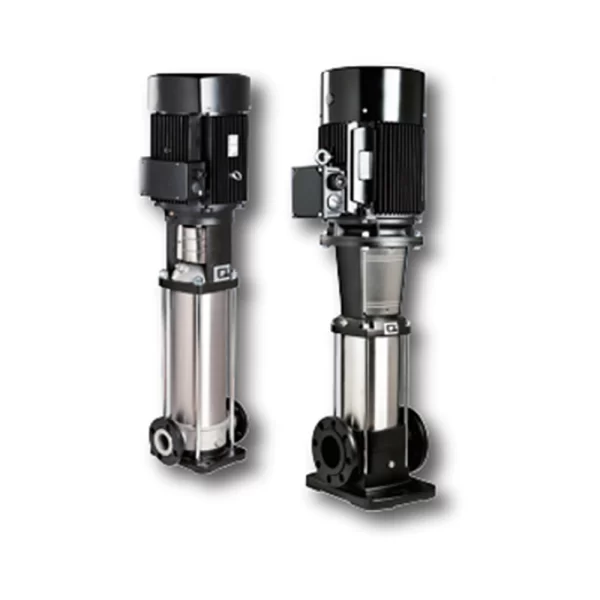
The difference between a disruptive pump and a barely-audible one comes down to engineering choices made early in the design process. Variable frequency drive technology forms the foundation of modern low noise pump systems. Rather than running at full speed and cycling on and off, VFD-controlled pumps adjust motor speed continuously to match actual demand. This eliminates the sudden startup surges that create noise spikes and mechanical stress.
The Intelligent Digital Driven VFD Booster System demonstrates what this approach achieves in practice: flow ranges from 5 to over 900 m³/h with head pressure between 15 and 200 meters, operating on standard 380V/220V at 50Hz with IP65 environmental protection. These specifications matter because they show the system handles everything from a small residential building to a large complex without sacrificing quiet operation.
Beyond the drive system, vibration isolation and acoustic dampening address noise at its source. Motor designs that inherently produce less mechanical noise, combined with mounting systems that prevent vibration transfer to building structures, result in equipment that operates almost imperceptibly. Residents sleeping in units adjacent to utility rooms notice the difference immediately.
How does a low noise booster pump improve apartment comfort?
Quiet operation removes an irritation that tenants often accept as unavoidable. Traditional pumps create sudden noise bursts when they cycle, interrupting sleep and concentration. A properly engineered low noise booster pump maintains pressure without these acoustic intrusions, contributing to the peaceful environment residents expect from quality housing. The improvement shows up in tenant satisfaction surveys and reduced complaints to building management.
For those interested in optimizing motor reliability in pump systems, we recommend reading 《Optimizing Three Phase Asynchronous Motor Reliability in Pump Systems A Technical Guide》.
Compact Designs That Fit Urban Utility Spaces
Apartment buildings rarely have generous mechanical rooms. Urban construction costs push developers to minimize non-rentable space, leaving utility areas cramped and awkward. Traditional booster pump installations demanded significant floor space, complex piping arrangements, and clearance for maintenance access. Modern compact pump designs challenge these assumptions.
Current mini booster systems deliver equivalent hydraulic performance in dramatically smaller footprints. Pre-assembled configurations arrive ready for connection, reducing on-site fabrication and the space it requires. Vertical pump arrangements stack components efficiently rather than spreading them horizontally. These space-saving approaches matter most when retrofitting older buildings where utility rooms were sized for simpler mechanical systems.
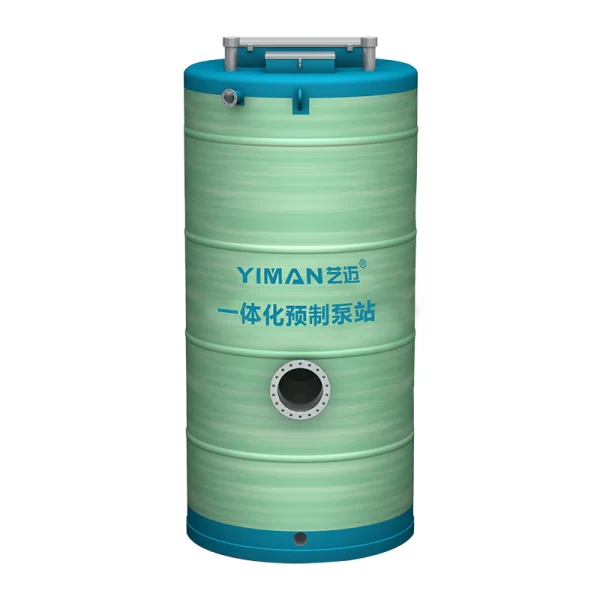
The installation process itself benefits from compact design. Fewer connection points mean faster commissioning and less opportunity for leaks. Maintenance access requires less clearance when components are arranged thoughtfully. Property managers appreciate systems that solve problems without consuming valuable building area that could serve other purposes.
Are compact booster systems difficult to install in existing apartment plumbing?
Retrofitting generally proves more straightforward than property managers expect. Modern systems emphasize integration flexibility, with connection options that accommodate various pipe sizes and configurations. Pre-assembled components reduce on-site complexity. Professional installation typically completes within a day for standard configurations, minimizing disruption to residents and building operations.
Smart Controls and Energy Performance
Intelligence built into modern mini booster systems goes beyond simple pressure maintenance. Sensors throughout the system monitor flow rates, pressure levels, and pump performance continuously. Control algorithms respond to changing demand patterns, ramping pump speed up during peak periods and reducing it when the building sleeps.
The Intelligent Digital Driven VFD Booster System handles overload conditions up to 120% of rated capacity, providing headroom for unexpected demand spikes. Communication capabilities through internal CAN bus and external RS485 connections enable remote monitoring and integration with building management systems. Property managers can track performance, receive maintenance alerts, and verify energy consumption without visiting the mechanical room.
Energy efficiency compounds over the system’s operational life. VFD control alone typically reduces energy consumption by 30-50% compared to fixed-speed alternatives. The Intelligent Digital Drived VFD Booster System optimizes this further by learning building demand patterns and anticipating needs rather than simply reacting to pressure drops. Lower energy bills offset equipment costs while reducing the building’s environmental footprint.
Matching System Capacity to Building Requirements
Selecting the right mini booster system requires understanding the specific building’s characteristics. Unit count establishes baseline demand, but usage patterns matter equally. A building with many families generates different peak loads than one housing primarily single professionals. Existing plumbing infrastructure—pipe sizes, material condition, layout complexity—affects what the booster system must overcome.
Constant pressure capability should top the priority list. Systems that maintain steady pressure regardless of demand fluctuations eliminate the complaints that prompted the upgrade in the first place. Variable speed operation achieves this while minimizing energy waste and mechanical wear.
Durability considerations extend beyond pump quality to include control system reliability and component serviceability. Systems designed for residential applications prioritize long intervals between maintenance and straightforward repair procedures when service becomes necessary. The total cost of ownership includes not just purchase price but installation complexity, energy consumption, and maintenance requirements over a decade or more of operation.
What are the benefits of a mini booster system for apartment living?
Residents experience consistent water pressure regardless of floor level or time of day. Showers run strong, appliances fill quickly, and the frustrations of inadequate flow disappear. Compact equipment preserves building space while quiet operation maintains peaceful living conditions. Property managers see reduced complaints and improved tenant retention, while building owners benefit from enhanced property value through modernized infrastructure.
Contact Us for Advanced Water Solutions
Shanghai Yimai Industrial Co., Ltd. specializes in advanced, compact, and low-noise booster water systems designed for modern residential needs. Contact us today for a tailored consultation and discover how our innovative solutions can enhance your property’s value and tenant satisfaction.
Email: overseas1@yimaipump.com
Phone/WhatsApp: +86 13482295009
What makes Shanghai Yimai’s mini booster systems ideal for apartment buildings?
Shanghai Yimai Industrial Co., Ltd. engineers mini booster systems specifically for residential applications where noise and space constraints matter most. Advanced VFD technology maintains consistent water pressure without the acoustic intrusion of traditional pumps. Compact configurations fit utility spaces that would reject conventional equipment, making these systems practical for both new construction and retrofit projects.
How do your compact booster systems address common apartment water pressure issues?
Intelligent control systems monitor demand continuously and adjust pump operation to maintain stable pressure throughout the building. Upper-floor residents receive the same strong flow as ground-level units, even during peak usage periods. The systems eliminate the pressure fluctuations that cause tenant complaints while operating efficiently enough to minimize energy costs.
Can Shanghai Yimai provide customized low-noise booster pump solutions for specific apartment projects?
Each building presents unique challenges based on height, unit count, existing infrastructure, and space constraints. Shanghai Yimai works with property developers and engineers to design systems matched to specific project requirements. This collaborative approach ensures optimal performance rather than forcing buildings to adapt to standard equipment configurations.