
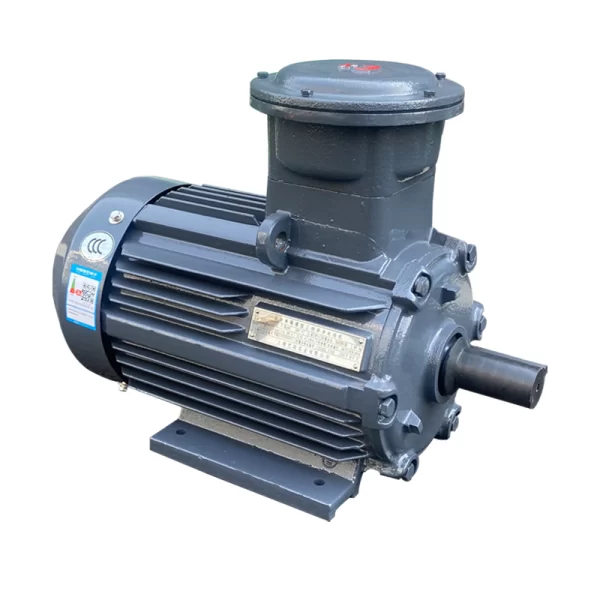
Electric motor windings fail more often than they should, and the reasons usually trace back to a handful of predictable problems. After seeing enough burned-out motors come through for repair, patterns emerge. Heat, electrical stress, mechanical wear, and environmental contamination work together in ways that accelerate failure. Getting ahead...
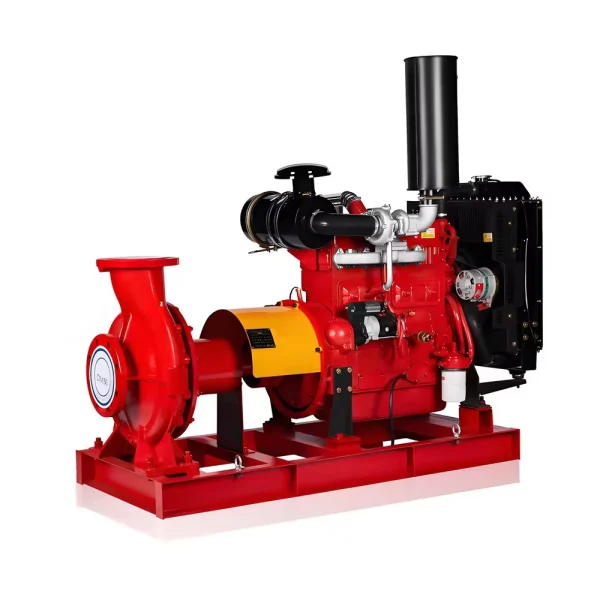
Getting motor lubricant selection right makes the difference between equipment that runs for years and equipment that fails within months. Poor lubrication choices show up as bearing noise, elevated temperatures, and eventually unplanned shutdowns that cost far more than the lubricant itself. The operating conditions of each motor—temperature swings,...
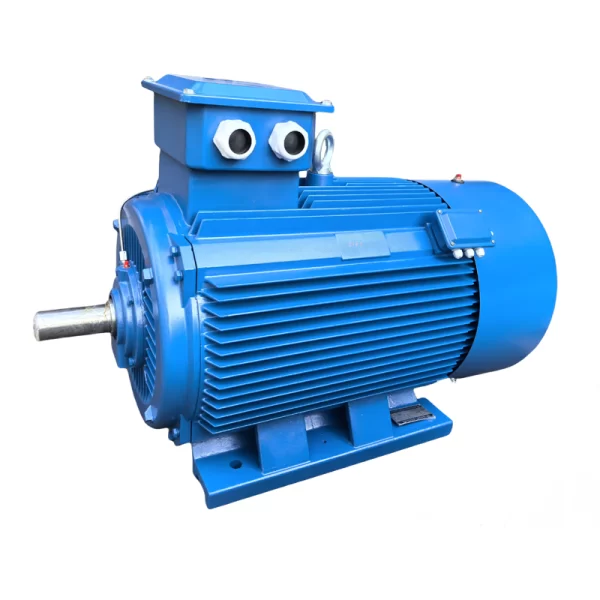
Electric motor reliability comes down to insulation. Get this wrong, and you’re looking at unplanned shutdowns and expensive repairs. Get it right, and your motors run for years without complaint. The insulation system is what separates a motor that performs from one that fails when you need it most....
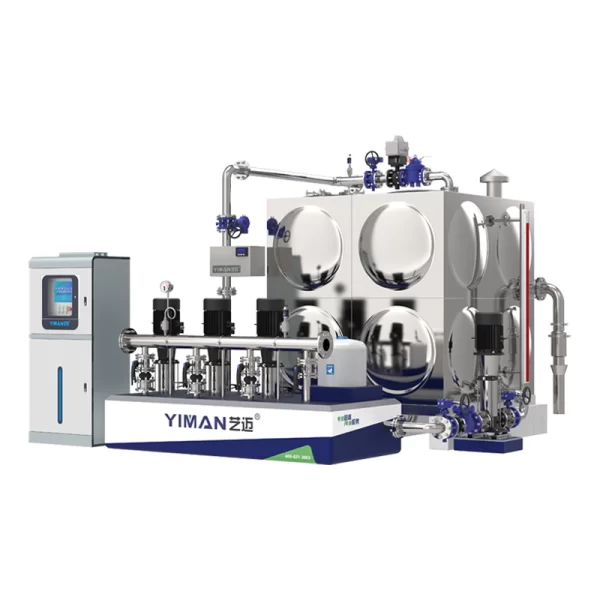
Variable speed electric motors have changed how industrial operations run. They give you control and efficiency that fixed-speed systems simply cannot match. These motors show up everywhere now, from water distribution networks to waste treatment plants, and the results speak for themselves. When you can adjust power output on...
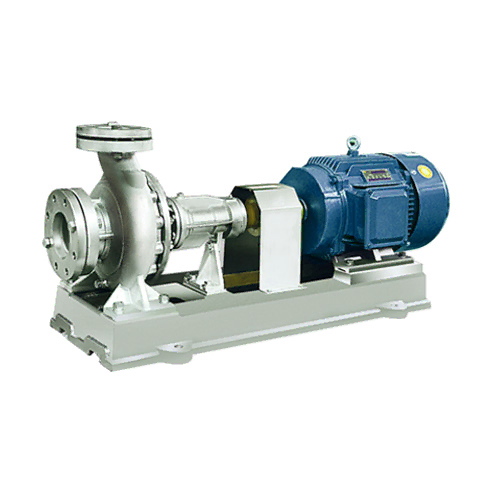
Industrial equipment runs on predictable motor behavior. When electric motor vibration goes unchecked, you start seeing the cascade effect: bearings wear faster than they should, alignment drifts, and suddenly a routine maintenance window becomes an emergency shutdown. The costs add up quickly, and not just in parts. This piece...
Industrial motors take a beating from heat. It’s the kind of damage that builds quietly, degrading insulation and wearing down bearings until something finally gives. The costs show up as unplanned downtime, emergency repairs, and motors that fail years before they should. What follows covers the practical side of...
Electric motor startup failures hit hard. One moment everything looks fine, the next your production line sits idle while you’re scrambling to figure out why a motor that ran perfectly yesterday refuses to turn over. The financial sting is real, but so is the frustration of tracking down problems...
Electric motor efficiency isn’t something you can pin down with a single number. It shifts based on how the motor was built, how it’s being run, and what’s happening around it. Getting these factors to work together properly cuts operating costs and shrinks the environmental impact for anyone running...
Electric motor overload shows up constantly in industrial settings. It drags down operational efficiency and shortens equipment life in ways that add up fast. Spotting these overloads early and dealing with them properly keeps systems running the way they should. This guide lays out a practical diagnostic framework for...