Automation Trends in Solid Waste Treatment: A Comprehensive Guide
We are at a turning point in solid waste management. Rising volumes and tighter environmental expectations are outpacing what traditional methods can handle. Automation has become the practical answer, delivering clear gains in efficiency and sustainability. Here we look at how automated systems are reshaping waste treatment, the benefits they bring, and the challenges they are built to address.
Understanding the Evolution of Solid Waste Treatment
Solid waste treatment covers everything from collection through disposal or recovery. Historically, the work leaned on landfilling and incineration. Escalating waste generation driven by population growth and industrialization has intensified environmental concerns. The push for sustainable practices is moving the industry toward advanced solutions. In that context, automation is a key step in addressing these complex challenges.
Key Automation Technologies Transforming Waste Management
Automation is reshaping solid waste treatment in measurable ways. These technologies lift efficiency, improve resource recovery, and cut environmental impact. We apply robotics, IoT networks, and data analytics to deliver these gains.
Robotics and AI for Enhanced Sorting and Recycling
Robotic arms paired with AI vision systems markedly improve sorting accuracy and speed. They identify and separate a range of materials, including plastics, metals, and paper. This increases recovery rates while minimizing contamination in recycled streams. For instance, our systems can differentiate between different plastic types, optimizing downstream recycling processes.
IoT and Sensor Networks for Smart Collection and Monitoring
Internet of Things devices and sensor networks help optimize collection and monitoring. Smart bins track fill levels to enable dynamic route optimization and reduce unnecessary trips. GPS tracking provides real-time location data for collection vehicles. These systems also monitor environmental conditions within waste facilities. The result is significant efficiency gains and lower operational costs.
Data Analytics and Machine Learning for Operational Optimization
Big data from sensors and sorting lines is analyzed with machine learning algorithms. This work surfaces operational patterns and predicts equipment maintenance needs. We optimize overall plant performance through predictive maintenance and efficient resource allocation. A data-driven approach supports continuous improvement and minimizes downtime.
Benefits and Challenges of Automated Waste Systems
Implementing automated waste systems brings substantial advantages and some real constraints. We evaluate these factors to provide a clear understanding.
Benefits of Automated Waste Systems
Automated systems enhance operational efficiency by reducing manual labor and speeding up processes. They improve safety by minimizing human exposure to hazardous waste. Resource recovery rates rise with precise sorting capabilities. Automation also contributes to environmental sustainability by diverting more waste from landfills. This supports a more circular economy.
Challenges of Automated Waste Systems
The initial capital investment for automated systems can be substantial. Integrating new technologies with existing infrastructure often requires complex planning. Specialized technical expertise is necessary for operation and maintenance. Ensuring adaptability to diverse waste streams remains an ongoing challenge.
| Feature | Automated System | Traditional System |
|---|---|---|
| Sorting | High accuracy (AI-driven) | Manual, prone to error |
| Efficiency | High throughput, optimized operations | Labor-intensive, slower |
| Safety | Reduced human exposure to hazards | Higher risk of injury |
| Cost (OpEx) | Lower long-term operational costs | Higher labor costs |
| Resource Rec. | Maximized purity and recovery | Lower purity, less effective recovery |
| Scalability | Easily scalable with modular components | Limited by available labor and space |
For further insights into optimizing wastewater management, consider reading our article on 《Optimizing Sewage Water Elevating Systems for Modern Infrastructure》.
Future Outlook for Smart Solid Waste Treatment
The future of solid waste treatment is moving toward systems that are more intelligent and integrated. We anticipate continued advances in AI and robotics, enabling more refined waste identification and processing. The circular economy model will spur innovation in resource recovery and material reuse. Policy frameworks will keep evolving to promote sustainable waste management practices. Together, these trends point to highly efficient, environmentally responsible waste systems.
Implementing Automation in Your Waste Management Operations
Organizations planning to integrate automation into solid waste treatment should take a structured path.
- Assess Current Operations: Evaluate existing waste streams, volumes, and treatment methods to pinpoint improvement opportunities.
- Define Automation Goals: Set clear objectives, such as increasing recycling rates, reducing operating costs, or enhancing safety.
- Research Technology Options: Review available solutions, including robotic sorters, IoT sensors, and data analytics platforms.
- Develop a Phased Implementation Plan: Start with pilot projects to validate technologies before full deployment.
- Secure Funding and Resources: Allocate capital for equipment, software, and personnel training.
- Form Strategic Partnerships: Work with technology providers and engineering firms to support integration.
- Train Personnel: Ensure staff are proficient in operating and maintaining new automated systems.
- Monitor and Optimize: Track performance metrics continuously and adjust for ongoing improvement.
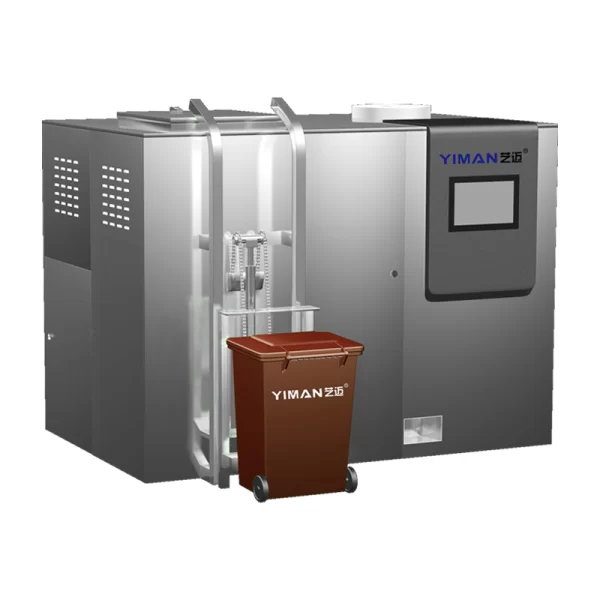
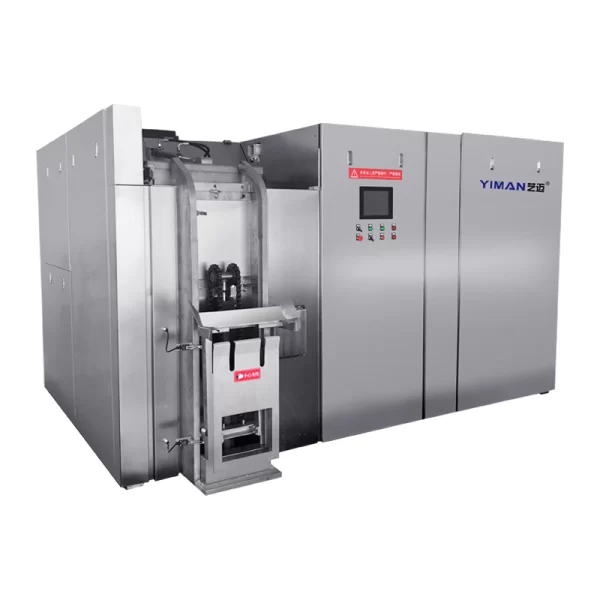
To see how our solutions can fit into your facility, explore our offerings for Organic Waste Treatment System.
Revolutionize Your Waste Management
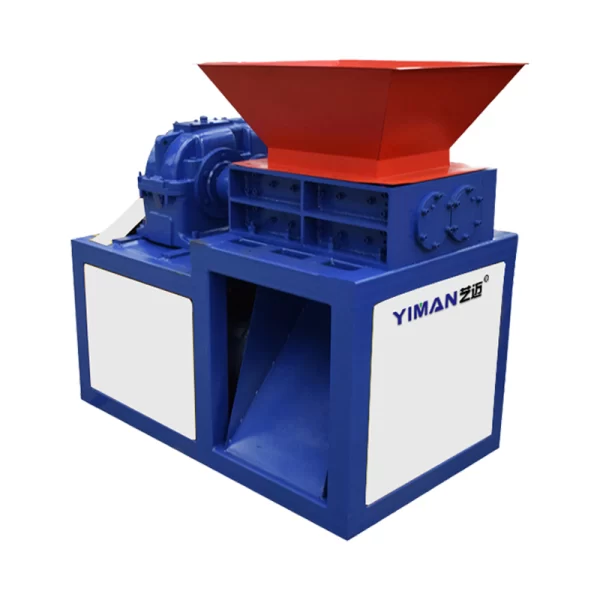
Discover how Shanghai Yimai Industrial Co., Ltd. can help you integrate advanced automation into your solid waste treatment systems. Contact us for a consultation on our innovative equipment, including Double Shaft Shredder Machine and Double Helix Continuous Presser, designed for efficiency and sustainability.
Email: overseas1@yimaipump.com | Phone/WhatsApp: +86 13482295009
FAQs
What are the primary drivers for automation in solid waste treatment?
Automation is driven by the need to improve efficiency, reduce operational costs, enhance worker safety, address labor shortages, and meet increasingly stringent environmental regulations for waste diversion and resource recovery. These factors push industries and municipalities toward more advanced and reliable solutions.
How does AI contribute to waste sorting and recycling?
AI, particularly through machine learning and computer vision, enables robotic systems to accurately identify and sort different types of waste materials at high speeds. This improves the purity of recycled streams and reduces reliance on manual labor, producing higher quality secondary raw materials.
What are the initial investment considerations for automated waste systems?
Initial investment covers new equipment such as robots, sensors, and specialized machinery. It also includes software integration, necessary infrastructure upgrades, and comprehensive training for personnel. While upfront costs can be significant, they are often recouped through long-term operational savings and increased resource recovery.
Can automation help achieve circular economy goals?
Absolutely. Automation enhances the efficiency of sorting, processing, and recovering valuable materials from waste. This supports the principles of a circular economy by maximizing resource utilization, minimizing landfill waste, and enabling the creation of new products from recycled materials.
How can Shanghai Yimai Industrial Co., Ltd. support automation in waste treatment?
Shanghai Yimai Industrial Co., Ltd. manufactures key components for automated solid waste treatment systems. This includes Double Shaft Shredder Machine and Double Helix Continuous Presser, which are important for efficient waste pre-treatment and material recovery in automated facilities. We provide robust and reliable equipment to support your automation initiatives.