
Centrifugal Pump Maintenance: Monthly & Annual Checklist
Running centrifugal pumps day after day, you start to notice patterns. A slight change in sound, a pressure reading that drifts lower than last week, a bearing that runs warmer than it should. These small signals often tell you more about pump health than any single inspection report. Getting ahead of problems before they force a shutdown is what separates smooth operations from expensive emergencies.
Why Monthly Inspections Catch Problems Early
Routine monthly inspections work because they establish a baseline. When you check the same pump every month, deviations become obvious. A seal that dripped once last month but now drips continuously signals progression. A motor that vibrates slightly more than before suggests alignment drift or bearing wear beginning.
Monthly centrifugal pump maintenance focuses on accessible checks that on-site personnel can handle without specialized equipment. Lubrication points need attention to prevent metal-on-metal contact that accelerates wear. Seal leakage monitoring catches failing mechanical seals before they cause fluid loss or contamination. Basic vibration analysis, even just placing a hand on the housing and listening, reveals imbalance or misalignment in early stages.
Pressure gauges and flow rates tell their own story. When readings fall outside normal ranges, something has changed internally. Adjusting packing glands prevents the dual problems of excessive leakage and overheating from too-tight packing. These monthly touchpoints take minimal time but prevent the cascade failures that result from ignored warning signs.
What Are the Signs a Centrifugal Pump Needs Immediate Maintenance?
Certain symptoms demand immediate attention because they indicate damage already in progress. Grinding noises or the distinctive crackling of cavitation mean internal components are being damaged with every rotation. Cavitation occurs when pressure drops below the fluid’s vapor pressure, creating bubbles that collapse violently against impeller surfaces.
Overheating in the motor or bearings points to friction problems or electrical issues that will worsen rapidly. A motor running hot may have insulation breakdown, phase imbalance, or inadequate cooling. Hot bearings suggest lubrication failure or misalignment loading them unevenly.
Sudden pressure drops or reduced flow rates indicate blockages, impeller damage, or suction-side problems like air entrainment. Any of these symptoms warrants stopping the pump for investigation rather than hoping the problem resolves itself.
Annual Overhaul Procedures That Extend Equipment Life
Annual centrifugal pump maintenance goes deeper than monthly checks, addressing components that wear gradually over a full operating year. Bearings often get replaced during annual overhauls regardless of apparent condition because bearing failure causes cascading damage to shafts, seals, and housings.
Impeller wear inspection matters for hydraulic efficiency. Even small erosion or corrosion on impeller vanes reduces the pump’s ability to move fluid efficiently, forcing the motor to work harder for the same output. This hidden inefficiency increases energy consumption without obvious symptoms until wear becomes severe.
Coupling inspection and precise motor alignment using laser tools prevent the vibration and stress that shortens component life. Misalignment by even a few thousandths of an inch creates forces that bearings and seals were not designed to handle continuously.
Mechanical seal replacement during annual overhauls prevents the gradual leakage that develops as seal faces wear. Corrosion prevention measures, including protective coatings and material inspection, address the slow degradation that humid or chemically aggressive environments cause. Comprehensive pump efficiency testing after reassembly verifies the overhaul restored performance to design specifications.
| Task Category | Monthly Check | Annual Overhaul |
|---|---|---|
| Lubrication | Check oil levels, grease points | Replace oil, inspect bearing housing |
| Seals | Monitor leakage, adjust packing glands | Replace mechanical seals, inspect gland packing |
| Vibration/Alignment | Basic visual/auditory check, motor alignment | Laser alignment, bearing replacement |
| Performance | Check pressure/flow rates | Efficiency testing, impeller inspection |
| Corrosion | Visual inspection | Apply protective coatings, material inspection |
How Does Proper Maintenance Extend the Lifespan of Industrial Pumps?
Centrifugal pump maintenance extends equipment life by addressing wear before it compounds. A bearing running slightly rough creates vibration that stresses seals. Stressed seals leak, allowing contamination into the bearing housing. Contaminated lubricant accelerates bearing wear further. This progression from minor issue to major failure happens over months, but proper maintenance interrupts the cycle early.
Alignment corrections reduce the side-loading forces that cause uneven bearing wear and shaft deflection. Seal replacement prevents the fluid loss and contamination that damage other components. Impeller maintenance preserves hydraulic efficiency, reducing the motor load and electrical stress that shorten motor life.
The cumulative effect of consistent maintenance is equipment that operates for years beyond what neglected pumps achieve. Capital expenditure on replacement pumps gets deferred, and the total cost of ownership drops significantly.
Predictive Techniques That Prevent Unplanned Downtime
Advanced centrifugal pump maintenance moves beyond scheduled inspections to condition-based monitoring. Vibration analysis tools detect bearing defects, imbalance, and misalignment weeks or months before failure. Trending vibration data over time reveals gradual degradation that single-point measurements miss.
Fluid dynamics monitoring, including pressure pulsation analysis and flow pattern assessment, identifies hydraulic problems like cavitation, recirculation, or air entrainment. These issues damage pumps internally while external symptoms remain subtle.
Pump curve analysis compares actual operating points against design curves. A pump operating far from its best efficiency point consumes excess energy and experiences accelerated wear. Identifying these deviations allows process adjustments that improve efficiency and reduce maintenance burden.
Spare parts management supports predictive maintenance by ensuring critical components are available when monitoring indicates replacement is needed. Waiting weeks for bearings or seals while a pump deteriorates defeats the purpose of early detection.
Safety Practices That Protect Maintenance Personnel
Centrifugal pump maintenance involves hazards that require systematic safety protocols. Lockout tagout procedures prevent accidental startup while personnel work on pumps. A pump that unexpectedly energizes can cause severe injuries from rotating components, high-pressure fluid release, or electrical contact.
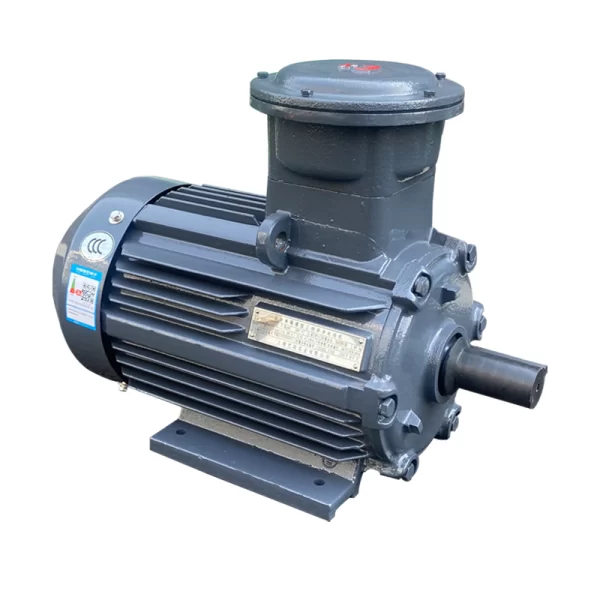
Personal protective equipment requirements vary by task. Seal replacement may require chemical-resistant gloves if the pumped fluid is hazardous. Bearing work near high-power motors like the YBX4 Explosion-Proof Three-Phase Electric Motor or IE4 Three-Phase Electric Motor demands electrical safety measures including verified de-energization and appropriate insulated tools.
Confined space entry procedures apply when pumps are located in pits, tanks, or enclosed rooms where atmospheric hazards may exist. Testing air quality before entry and maintaining ventilation during work prevents asphyxiation or exposure to toxic vapors.
Chemical handling procedures protect personnel when draining pumps or working with sealing fluids. Knowing the properties of pumped fluids and having appropriate spill response materials available prevents exposure incidents.
Building a Maintenance Program That Delivers Results
A structured centrifugal pump maintenance program combines monthly inspections, annual overhauls, predictive monitoring, and safety protocols into a coherent system. The investment in maintenance time and materials returns value through reduced downtime, lower energy consumption, and extended equipment life.
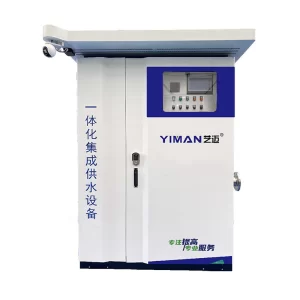
Shanghai Yimai Industrial Co., Ltd. provides centrifugal pump solutions designed for reliability and maintainability. Our product range includes high-quality pumps, VFD Controlled Booster Water Supply System configurations, and integrated Prefabricated Pump Station installations. We support customers with technical expertise that helps optimize maintenance programs for specific operating conditions.
For consultation on industrial pump maintenance strategies or equipment specifications, contact us at overseas1@yimaipump.com or +86 13482295009.
FAQ
How Often Should Centrifugal Pumps Be Serviced to Prevent Breakdowns?
Centrifugal pump maintenance works best as a tiered approach. Monthly inspections covering lubrication, seal condition, and basic performance parameters catch developing problems early. Annual overhauls address bearings, mechanical seals, alignment, and impeller condition for long-term reliability. Critical applications may benefit from continuous vibration monitoring that triggers maintenance based on actual condition rather than calendar schedules. Manufacturer guidelines provide baseline intervals, though operating conditions like fluid properties, duty cycle, and environment may justify more frequent attention.
What Tools and Equipment Are Necessary for Effective Pump Maintenance?
Effective centrifugal pump maintenance requires both general and specialized tools. Vibration analysis equipment ranges from simple handheld meters to sophisticated multi-channel analyzers with trending software. Laser alignment systems provide the precision that dial indicators cannot match for critical applications. Pressure gauges, flow meters, and temperature sensors verify performance parameters. Standard hand tools handle disassembly and reassembly, while torque wrenches ensure proper fastener tension. Personal protective equipment appropriate to the specific hazards present is essential for every maintenance task.
Can Regular Maintenance Truly Reduce the Energy Consumption of Industrial Pumps?
Centrifugal pump maintenance directly affects energy consumption through multiple mechanisms. Proper motor alignment eliminates the friction losses from shaft deflection and coupling stress. Clean impellers maintain hydraulic efficiency that eroded or fouled impellers cannot achieve. Fresh bearings with proper lubrication reduce mechanical friction compared to worn or contaminated bearings. Well-maintained mechanical seals prevent the internal recirculation that occurs when seals leak. A pump operating at design efficiency may consume 10-15% less energy than the same pump with accumulated maintenance deficits. Over thousands of operating hours, this efficiency difference represents substantial cost savings.