Critical Design Requirements: Subway & Rail Sewage Pump Stations
Working on subway drainage systems teaches you something quickly: there is no room for “good enough.” When a pump station fails fifty meters underground during rush hour, the consequences cascade through an entire transit network within minutes. These systems operate in conditions that would destroy standard equipment — constant vibration, confined installation spaces, corrosive atmospheres, and the ever-present risk of flooding. The engineering decisions made during design determine whether a station runs reliably for decades or becomes a recurring maintenance headache.
Why Underground Rail Environments Demand Specialized Pump Station Design
The underground nature of subway and rail systems creates operating conditions that standard sewage pump stations simply cannot handle. Confined spaces restrict equipment access and force compact designs where every component must earn its place. Trains passing overhead generate constant vibration that fatigues connections and loosens fittings over time — every component needs specialized vibration resistance built into its design.
Power supply stability becomes critical in ways surface installations rarely experience. A brief voltage fluctuation that might cause a minor hiccup above ground can trigger flooding underground, halting service and damaging infrastructure worth millions. Effective flood control measures are not optional extras but fundamental design requirements.
The enclosed environment adds another layer of complexity. Ventilation must prevent hazardous gas accumulation while maintaining safe working conditions for maintenance crews. Rigorous environmental impact assessment and strict safety standards for infrastructure govern everything from material selection to emergency procedures. These factors collectively push engineering solutions well beyond standard wastewater applications.
Hydraulic and Mechanical Design That Delivers Consistent Performance
Reliable hydraulic and mechanical design determines whether a sewage pump station performs consistently or struggles under load. Proper hydraulic design principles ensure accurate flow rate calculations and effective head pressure management. Getting these calculations wrong leads to either undersized systems that cannot handle peak loads or oversized equipment that wastes energy and capital.
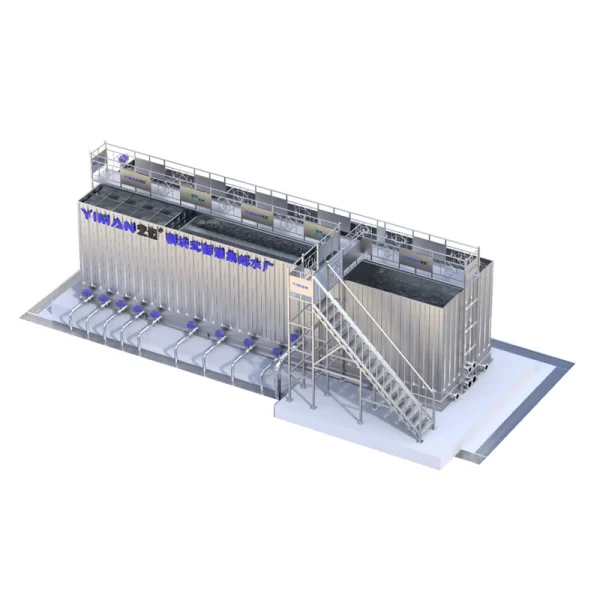
Pump selection criteria matter enormously in rail applications. Pumps must handle solids without clogging while resisting the corrosive nature of sewage over years of continuous operation. The Prefabricated Pump Station handles processing capacity up to 100,000 m³/day, with cylinder diameters from 1200 to 3800 mm and pump power ranging from 0.75 to 370 kW. Fiberglass-reinforced plastic construction resists corrosion, while CFD-optimized hydraulic design ensures efficient flow patterns that prevent sediment accumulation.
System redundancy using N+1 configuration provides the operational reliability that critical infrastructure demands. When one pump fails or requires maintenance, backup capacity keeps wastewater moving. This approach minimizes downtime and prevents the cascading failures that can shut down entire transit lines.
| Feature | Prefabricated Pump Station (Yimai) | Standard Site-Built Pump Station |
|---|---|---|
| Construction Material | Fiberglass-Reinforced Plastic (FRP) | Concrete, Steel |
| Installation Time | Short (Integrated Compact Design) | Long (On-site assembly) |
| Leakage Risk | No leakage risk | Potential for leaks |
| Hydraulic Design | CFD-optimized | Variable |
| Maintenance | Easy (Integrated, Intelligent) | Often complex |
| Environmental Impact | Environmentally friendly | Higher on-site disruption |
What Components Make Up a Subway Sewage Pump Station?
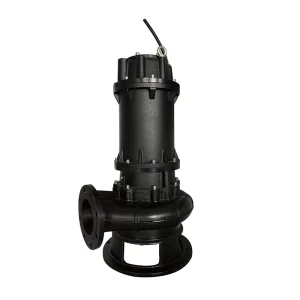
A subway sewage pump station integrates several critical components working together to manage wastewater effectively. Robust submersible pumps paired with electric motors provide the mechanical force for continuous operation in harsh conditions. Control panels manage system operations and coordinate pump cycling.
Valves and piping direct flow through the system while trash screens prevent large debris from entering and damaging pumps. The wet well design optimizes storage capacity and pump cycling frequency. Level sensors monitor wastewater levels continuously, triggering pump activation and deactivation to maintain efficient operation without operator intervention.
Why Redundancy Cannot Be Skipped in Underground Pump Systems
Redundancy protects underground pump station systems against the failures that will eventually occur. N+1 redundancy means having one more pump than minimum requirements — when a pump fails, the system continues operating while repairs happen. Emergency bypass systems provide alternative wastewater routes during maintenance or severe malfunctions.
Backup power systems guard against electrical outages that would otherwise leave underground spaces flooding. These measures cost more upfront but prevent the far greater costs of service interruptions, infrastructure damage, and emergency repairs in high-stakes environments where failure is not acceptable.
Intelligent Control Systems That Enable Proactive Management
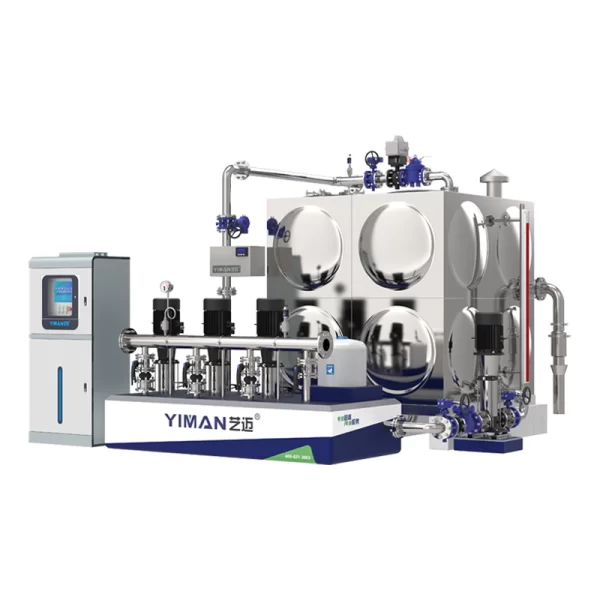
Modern subway and rail sewage pump stations require sophisticated electrical control systems and SCADA integration to operate at peak performance. Smart monitoring technology enables pump station automation with remote access capabilities that let operators manage systems without physical presence at every site.
Proactive fault detection identifies developing problems before they cause failures. Real-time data feeds support efficient management decisions while power management solutions handle variable loads and maintain system stability. Advanced alarm systems notify operators immediately when anomalies occur, enabling rapid response that prevents minor issues from becoming major failures.
This intelligent approach maximizes uptime while reducing operational costs. Energy consumption optimization alone can generate significant savings over a pump station’s operating life, often justifying the higher initial investment in smart systems.
Meeting Regulatory Requirements Without Compromising Performance
Regulatory compliance and safety standards govern every aspect of subway and rail sewage pump station design and operation. National and international standards combine with local building codes to create a complex regulatory landscape that varies by jurisdiction.
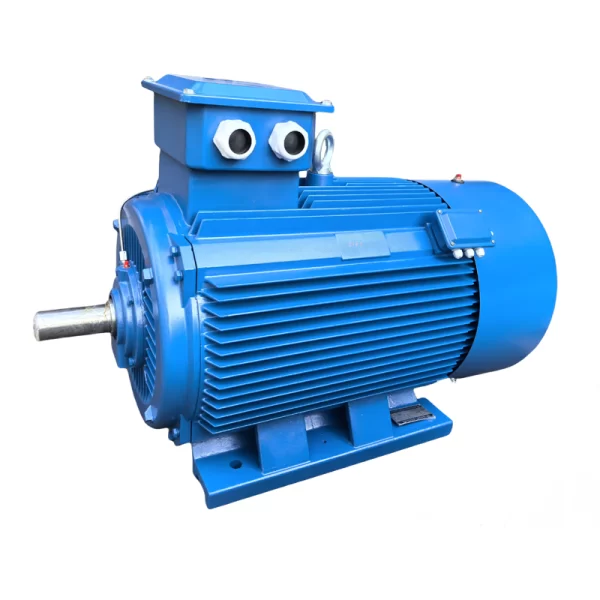
Safety certifications like ATEX compliance are mandatory for equipment operating in potentially explosive atmospheres where methane and hydrogen sulfide can accumulate. The YBX4 Explosion Proof Three Phase Electric Motor and YBX3 Explosion Proof Three Phase Electric Motor meet these rigorous requirements for hazardous environment operation.
Comprehensive risk assessment methodologies identify potential failure modes and their consequences. Emergency protocols establish clear procedures for scenarios including confined space entry, gas detection alarms, and flooding events. Environmental regulations shape discharge protocols and material choices, minimizing ecological impact while maintaining operational effectiveness.
How Regulations Shape Rail Sewage Pump Station Engineering
Regulatory standards influence rail sewage pump station design at every level. Compliance requirements dictate material selection based on underground conditions and wastewater characteristics. System layouts must accommodate inspection access and emergency egress while meeting space constraints.
Environmental permits define discharge protocols and water quality requirements. Infrastructure regulations mandate specific operational procedures and maintenance schedules that must be built into system design from the start. Meeting these standards is not just about legal operation — it ensures long-term system integrity and protects the substantial investment in critical infrastructure.
Safety Standards for Pump Stations in Hazardous Environments
Sewage pump stations in underground environments face hazardous atmosphere risks that require specific safety measures. ATEX directives govern equipment operating where explosive atmospheres may form, requiring certified explosion-proof equipment throughout the installation.
Gas detection systems continuously monitor methane and hydrogen sulfide levels, triggering alarms and ventilation responses when concentrations rise. Adequate ventilation prevents dangerous gas accumulation during normal operation. Confined space safety protocols protect personnel during maintenance and inspections, establishing entry procedures, atmospheric testing requirements, and rescue provisions.
Maintenance Strategies That Extend Equipment Life and Control Costs
Effective maintenance protocols determine both the longevity and life cycle cost of subway sewage pump stations. Preventative maintenance catches wear before it causes failures, while predictive maintenance uses operational data to anticipate problems and schedule repairs during planned downtime.
Meticulous spare parts management ensures critical components are available when needed without tying up excessive capital in inventory. Scheduled service intervals balance maintenance costs against failure risks, optimizing the total cost of ownership over the system’s operating life.
Smart monitoring integration enables condition-based maintenance that responds to actual equipment state rather than arbitrary schedules. This approach reduces both unnecessary maintenance activities and unexpected failures, delivering better results at lower cost.
Typical Maintenance Intervals for Subway Pump Stations
Maintenance frequency for subway pump stations depends on operational load, environmental conditions, and regulatory requirements. Routine maintenance checks typically occur monthly or quarterly, covering visual inspections, lubrication, and basic functional tests.
More comprehensive preventative service involving detailed component inspections and calibration is usually scheduled annually or semi-annually. Service contracts can tailor these intervals to specific site conditions and operating patterns. Condition monitoring data increasingly drives maintenance scheduling, allowing interventions based on actual equipment state rather than calendar dates alone.
Working with Shanghai Yimai on Critical Pump Station Projects
For subway and rail infrastructure requiring the highest standards of reliability, efficiency, and compliance, Shanghai Yimai Industrial Co., Ltd. brings proven expertise in integrated pre-casting pump station and custom sewage lifting system solutions. Our engineering team develops robust, intelligent systems tailored to specific project requirements and operating conditions.
Contact us for a consultation to discuss how advanced pump station systems can ensure seamless operation and longevity for your critical infrastructure. Email: overseas1@yimaipump.com | Phone/WhatsApp: +86 13482295009
Frequently Asked Questions About Subway & Rail Sewage Pump Stations
What Makes Underground Sewage Pump Station Design So Challenging?
Designing sewage pump stations for underground environments involves managing multiple competing constraints simultaneously. Confined space limitations restrict equipment size and access for installation and maintenance. Constant vibration from rail traffic stresses components and connections. Power supply stability must be maintained despite potential fluctuations that could trigger flooding.
Corrosive elements in wastewater require specialized materials that perform reliably over decades. Strict regulatory compliance adds complexity to every design decision, from material certification to emergency procedures. Balancing all these factors while meeting performance requirements and budget constraints demands specialized engineering experience.
How Does Yimai Build Long-Term Reliability into Pump Station Solutions?
Long-term reliability comes from comprehensive redundancy planning using N+1 configurations for critical components. High-quality materials selected for durability and corrosion resistance form the foundation. Integrated pre-casting pump station solutions incorporate smart monitoring systems that detect developing problems before they cause failures.
Preventative maintenance strategies extend equipment life while custom engineering addresses unique project requirements. This combination of robust hardware, intelligent monitoring, and proactive maintenance delivers the lasting performance that critical infrastructure demands.
What Technologies Improve Modern Rail Sewage Pump Station Performance?
Modern subway and rail sewage pump stations integrate SCADA systems for centralized monitoring and data acquisition. These systems enable extensive automation and remote access capabilities that reduce staffing requirements while improving response times.
Smart sensors provide real-time operational data supporting predictive maintenance that catches problems early. Energy-efficient pumps and variable frequency drives optimize energy consumption, reducing operational costs while minimizing environmental impact. Together, these technologies deliver better performance at lower operating cost.
Can Pump Stations Be Customized for Unusual Project Requirements?
Custom engineering addresses the unique requirements that standard solutions cannot meet. Adapting a standard sewage lifting system for unusual spatial constraints or developing bespoke wastewater treatment solutions for particular flow rates and compositions requires close collaboration between engineering teams and project stakeholders.
Whether the challenge involves extreme depth, unusual wastewater characteristics, or integration with existing infrastructure, tailored design and specialized engineering deliver optimized solutions that ensure seamless integration and reliable performance.
If you’re interested, check out these related articles:
Shallow Dig Mighty Shield the Yimai Integrated Prefabricated Pump Station
Electric Motors for Sale A Buyers Guide to Industrial Performance
Vertical Multi Stage Centrifugal Pump Powering High Pressure Efficiency with Compact Innovation
Why Choose a Split Casing Double Suction Pump 6 Features That Set It Apart 2