Diesel Engine Fire Pump Set: Complete Package for Industrial Safety
Industrial facilities face a straightforward reality: when a fire breaks out and the power grid fails, the fire suppression system either works or it doesn’t. That binary outcome shapes how engineers approach fire pump selection. A diesel engine fire pump set exists precisely for this scenario—it runs independently of electrical infrastructure, drawing fuel from its own tank while delivering water at the pressures and flow rates the system demands. The equipment itself isn’t complicated in concept, but the engineering details that separate a reliable installation from a problematic one deserve careful attention.
What Actually Makes Up a Diesel Fire Pump Set
A diesel engine fire pump set combines several interdependent components, each sized and specified to work together under emergency conditions. The main fire pump moves water. The diesel engine powers it. The controller sequences startup and monitors operation. A jockey pump handles pressure maintenance during standby. Pressure relief valves protect against overpressure conditions. Suction and discharge piping connects everything to the water supply and distribution system. The fuel tank provides the diesel engine’s operating duration.

The component list sounds simple enough, but the specifications matter. A diesel engine fire pump set rated for industrial service needs to start reliably after sitting idle for months, then run continuously under full load until the emergency ends or fuel runs out.
How the Diesel Engine Delivers Independent Emergency Power
The diesel engine’s value comes from what it doesn’t need: grid electricity. When a fire damages electrical infrastructure—or when the fire itself triggers a power shutdown—the diesel engine fire pump set keeps running. The engine draws fuel from its dedicated tank, air from the atmosphere, and cooling from its own systems.
Consider the YM10B-231DE engine model as an example of what industrial applications require. This unit produces 231 kW at 1500 r/min, using supercharged intercooling and direct injection combustion. These aren’t marketing terms—they describe how the engine achieves the power density and fuel efficiency needed for sustained emergency operation. Supercharging increases air intake, intercooling prevents heat-related power loss, and direct injection optimizes combustion. The result is an engine that starts quickly and maintains rated output throughout an emergency event.
The independence from electrical supply represents the primary diesel fire pump advantage in critical applications. Facilities with reliable grid power might question whether this independence justifies the additional maintenance requirements of diesel equipment. The answer depends on risk assessment: how likely is a power failure during a fire event, and what are the consequences if the fire pump cannot operate? For more details on reliable power solutions, consider 《Electric Motors for Sale A Buyers Guide to Industrial Performance》.
The Jockey Pump’s Role in Preventing False Starts
Fire protection systems maintain pressure continuously, not just during emergencies. Small leaks, temperature changes, and minor system fluctuations cause gradual pressure drops. Without compensation, these drops would trigger the main fire pump repeatedly—a situation that causes unnecessary wear and creates maintenance problems.
The jockey pump solves this by handling small pressure adjustments automatically. It’s a much smaller pump, typically sized to compensate for normal system losses without the capacity to supply actual firefighting demand. When pressure drops slightly, the jockey pump activates. When pressure drops significantly—indicating actual water demand from sprinklers or hose stations—the main fire pump starts.
This arrangement extends main pump lifespan and reduces false alarm investigations. A diesel engine fire pump set that starts frequently for non-emergency pressure drops accumulates unnecessary engine hours and creates operational uncertainty about whether each start indicates a real emergency.
Meeting NFPA 20 Requirements in Practice
NFPA 20 establishes the framework for fire pump system design, installation, and testing in North America. The standard addresses water supply adequacy, pump sizing methodology, installation requirements, and testing protocols. Compliance isn’t optional for most industrial facilities—the authority having jurisdiction enforces these requirements as conditions of occupancy permits and insurance coverage.
The standard’s requirements translate into specific equipment specifications. A Vertical Turbine Fire-Fighting Pump with flow rates ranging from 20 to 50,000 m³/h and heads from 3 to 300 m can be selected to match system demand. The selection process involves calculating the system’s flow and pressure requirements, then specifying equipment that meets those requirements with appropriate safety margins.
| NFPA 20 Compliance Area | Key Requirement | Importance |
|---|---|---|
| Water Supply | Reliable source, adequate volume/pressure | Ensures sustained water flow |
| Pump Sizing | Matches system demand (GPM/PSI) | Prevents under/over-pumping |
| Installation | Proper piping, vibration isolation | Maintains system integrity |
| Testing | Annual full-flow, weekly churn | Verifies operational readiness |
| Documentation | Records of design, tests, maintenance | Demonstrates compliance |
Testing requirements deserve particular attention. Weekly churn tests verify that the pump starts and runs. Annual full-flow tests confirm that the pump actually delivers rated capacity under realistic conditions. These tests catch degradation before it becomes failure.
Matching Equipment to Industrial Application Requirements
Selecting a fire pump package for industrial applications involves more than matching flow and pressure numbers. The specific hazards present, the water supply characteristics, environmental conditions, and reliability requirements all influence equipment selection.
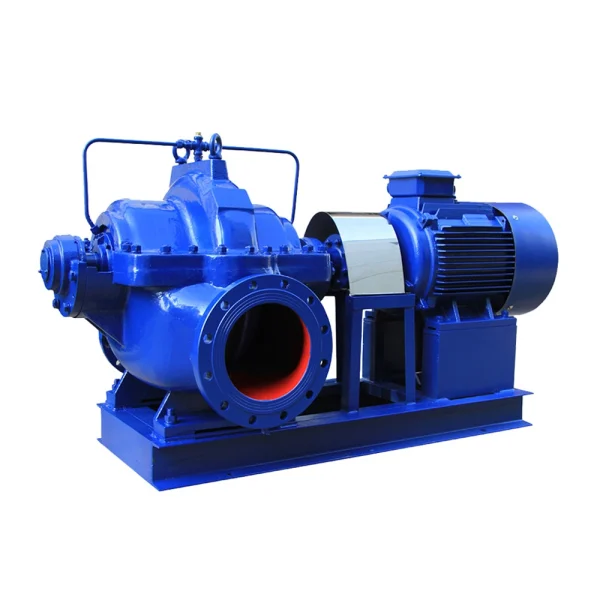
Large industrial facilities often require high-capacity equipment. A Split Casing Double Suction Pump (Model YMS) can deliver flow rates up to 3975 m³/h with heads up to 230 m. This capacity suits applications where fire protection systems serve large areas or high-hazard occupancies requiring substantial water delivery.
Environmental factors affect equipment selection significantly. Facilities handling flammable materials may require explosion-proof fire pumps with motors and controls rated for hazardous atmospheres. Outdoor installations in cold climates need freeze protection. Coastal or marine environments demand corrosion-resistant materials.
The choice between diesel engine and electric motor drive depends on site-specific reliability analysis. Diesel offers grid independence but requires fuel storage and more intensive maintenance. Electric motors are simpler but depend on power supply reliability. Many critical facilities install both, with automatic transfer between power sources.
Installation Quality Determines Long-Term Performance
A well-specified diesel engine fire pump set can still fail if installed poorly. Alignment errors cause bearing wear and seal failures. Inadequate pipe support creates stress that leads to leaks. Improper electrical connections cause controller malfunctions. The installation phase establishes whether the equipment will perform reliably for its intended service life.
Proper installation includes correct pump and engine alignment, secure mounting with appropriate vibration isolation, correctly sized and supported piping, and complete electrical system installation per manufacturer specifications and applicable codes. Each of these elements requires attention from qualified personnel who understand both the equipment and the applicable standards.
Testing follows installation. Initial acceptance tests verify that the installed system meets design specifications. The pump should deliver rated flow at rated pressure, the engine should start reliably, and all controls should function correctly. These tests establish the baseline against which future performance is measured.
Ongoing maintenance keeps the system ready. Weekly checks verify fuel level, battery condition, and controller status. Monthly operational tests confirm starting reliability. Annual inspections by qualified personnel examine all components systematically. This maintenance investment is small compared to the consequences of system failure during an actual emergency.
Current Technology Developments in Fire Pump Systems
Fire pump technology continues to evolve, with improvements in control systems, monitoring capabilities, and system integration. Modern controllers provide detailed operational data and remote monitoring capabilities. This information supports predictive maintenance—identifying developing problems before they cause failures.
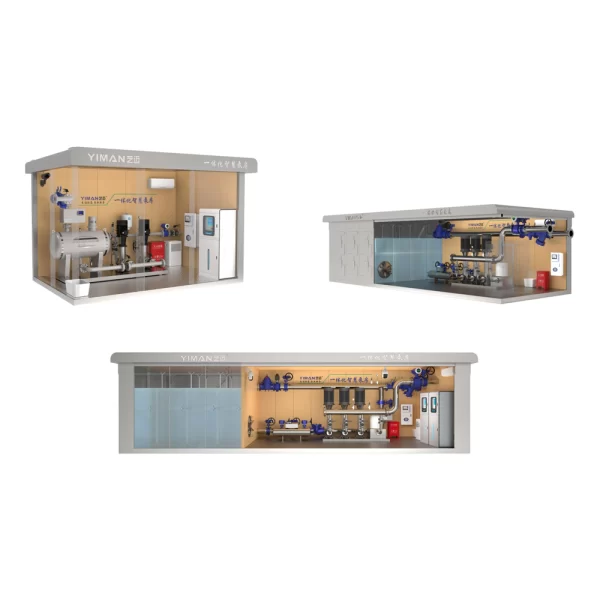
Integrated solutions combine fire pumps with related infrastructure in factory-assembled packages. Shanghai Yimai’s Prefabricated Pump Station and Modular Integrated Water Plant represent this approach. A Modular Integrated Water Plant can achieve production capacities up to 50,000 m³/day with effluent turbidity ≤0.1 NTU, demonstrating the scale and performance achievable with integrated designs.
These integrated approaches offer several practical advantages. Factory assembly ensures consistent quality control. Reduced field installation time minimizes project schedules. Compact designs fit constrained sites. Intelligent controls optimize operation and simplify monitoring. VFD Controlled Booster Systems enhance water pressure management with variable speed operation. For further reading, explore 《VFD Controlled Booster System Powering Smarter Water Pressure with Efficiency and Precision》.
Working with Shanghai Yimai on Fire Protection Projects
Shanghai Yimai Industrial Co., Ltd. provides engineered fire pump sets drawing on extensive experience as an industrial water pump manufacturer. The company delivers systems designed for specific applications, compliant with applicable standards, and supported by engineering expertise throughout the project lifecycle.
Available equipment includes diesel engine fire pump sets, vertical turbine fire-fighting pumps, split casing double suction pumps, and Fire Fighting Diesel Engines. Custom configurations address specific industrial requirements where standard packages don’t fit. Engineering support covers system design, equipment selection, and installation guidance.
Frequently Asked Questions
What are the key advantages of a diesel engine fire pump over an electric one?
Diesel engine fire pumps operate independently of the electrical grid, which means they continue running when power fails. This independence matters most in facilities where fire events could damage electrical infrastructure or where grid reliability is questionable. Diesel units suit remote locations, critical facilities, and applications where backup power for electric pumps would be impractical or insufficient. The tradeoff involves more intensive maintenance requirements and fuel storage obligations.
How often should a fire pump set be inspected and maintained to ensure compliance?
NFPA 20 establishes minimum testing frequencies: weekly visual inspections and no-flow (churn) tests, monthly operational checks, and annual full-flow tests that verify actual pump capacity. Beyond these minimums, preventive maintenance should address the diesel engine’s fuel system, oil condition, cooling system, and battery health. The controller, jockey pump, and all piping connections require regular attention. Documenting all tests and maintenance activities demonstrates compliance and supports troubleshooting when issues arise.
What factors should be considered when selecting a complete fire pump package for an industrial facility?
Start with the hydraulic requirements: what flow rate and pressure does the fire protection system demand? Then evaluate the water supply—its reliability, quality, and available pressure. Consider the facility’s specific hazards and how they affect equipment ratings (explosion-proof requirements, corrosion resistance, temperature extremes). Assess power supply reliability to determine whether diesel independence is necessary. Factor in NFPA 20 requirements and local code modifications. Finally, consider maintenance capabilities and spare parts availability for the equipment selected.
Contact Shanghai Yimai
For fire pump system consultation, equipment specifications, or project-specific engineering support, contact Shanghai Yimai Industrial Co., Ltd. The technical team can discuss requirements and develop solutions matched to specific fire protection needs. Email overseas1@yimaipump.com or call/WhatsApp +86 13482295009.