
Diesel Fire Pump Automatic Start: Control Logic Explained
When a fire breaks out and the power grid fails, the diesel fire pump becomes the last line of defense for any building’s sprinkler system. I’ve seen facilities where everything hinged on whether that engine would turn over in the first critical seconds. The automatic start mechanism isn’t just a convenience feature—it’s the difference between a contained incident and a catastrophe. Getting the control logic right matters more than most people realize until they actually need it.
How Diesel Fire Pump Automatic Start Systems Work
The diesel fire pump automatic start system operates through a coordinated network of sensors, controllers, and mechanical components. Each piece serves a distinct function in detecting fire conditions and bringing the pump online without human intervention.
The fire pump controller serves as the system’s central intelligence. This panel monitors incoming signals from pressure switches, manages the engine’s start and stop commands, and displays operational status along with any fault conditions. Modern controllers include diagnostic capabilities that can communicate system health to building management systems.
Pressure switches watch the water pressure inside the fire protection piping. When that pressure drops below a set threshold—typically indicating a sprinkler head has opened or someone has cracked a hydrant—these switches send the signal that kicks off the automatic start sequence.
The jockey pump handles the routine work of maintaining system pressure against minor leaks and normal fluctuations. Without it, the main diesel fire pump would cycle on and off constantly, wearing out components and wasting fuel. The jockey pump keeps pressure steady so the diesel unit only runs when there’s actual demand.
Two independent battery banks provide cranking power for the diesel engine. The redundancy matters because a dead battery during an emergency means a pump that won’t start. A dedicated charger keeps both banks ready at all times.
The fuel supply system delivers diesel to the engine through a network of tanks, lines, and filters. Tank sizing follows regulatory requirements that ensure enough fuel for extended operation—typically several hours of continuous running.
Heat dissipation during operation falls to the engine cooling system. Whether the design uses a heat exchanger or radiator depends on the installation, but the goal remains the same: prevent the engine from overheating during what could be hours of continuous duty.
An automatic transfer switch ensures the controller itself stays powered even when the main electrical supply fails. The pump may run on diesel, but the controller needs electricity to function.
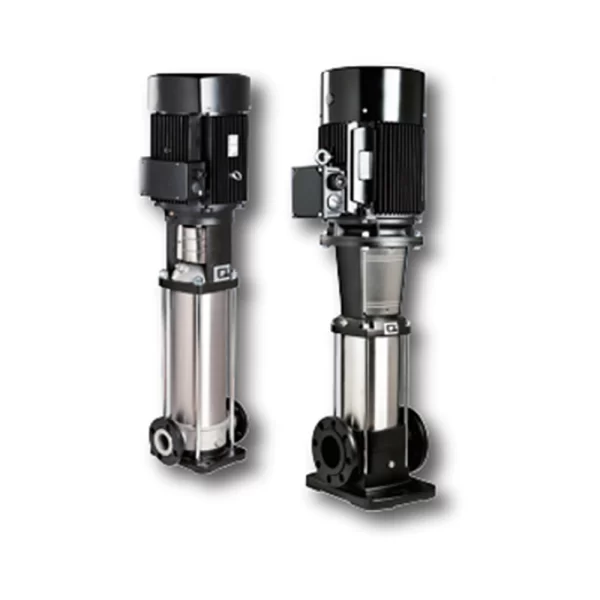
The Automatic Start Sequence Step by Step
The sequence that brings a diesel fire pump online follows a precise order designed for speed and reliability. Each step builds on the previous one, moving from detection through full operation in seconds.
Pressure drop detection begins the process. When a sprinkler head activates or a fire department connection opens, water leaves the system and pressure falls. This physical change triggers everything that follows.
The pressure switch responds to that drop by closing a contact and sending an electrical signal to the fire pump controller. Most systems use multiple switches at different setpoints to provide redundancy and staged response.
Upon receiving the signal, the controller initiates its programmed start routine. This happens automatically—no operator input required.
The controller then energizes the starter motor, which draws power from the battery system to crank the diesel engine. The cranking cycle continues until the engine fires or a preset time limit expires.
As the engine cranks, the fuel system delivers diesel to the cylinders. Compression ignition takes over, and the engine begins running under its own power.
Once the engine reaches operating speed, the pump engages and begins moving water. The impeller draws from the water source and pushes into the fire protection system.
The pump continues running, building pressure in the piping until the system reaches its rated capacity. It stays online until someone manually shuts it down or, in some configurations, until pressure stabilizes and holds for a specified period per NFPA 20 requirements.
Meeting NFPA 20 Requirements
NFPA 20 governs every aspect of stationary fire pump installations, from component selection through testing and maintenance. The standard exists because fire pumps must work when everything else has gone wrong.
| Requirement Area | What NFPA 20 Specifies |
|---|---|
| Controller Features | Listed controllers with automatic and manual start capability, alarm outputs, and engine monitoring |
| Battery Capacity | Two independent battery sets, each capable of cranking the engine six times |
| Fuel Storage | Minimum tank capacity for one hour of operation at 100% rated load |
| Weekly Testing | Automatic or manual start test with documented results |
| Annual Flow Test | Full performance test measuring flow and pressure against rated capacity |
The standard doesn’t leave much room for interpretation. Controllers must be listed for fire pump service. Batteries must meet specific capacity requirements. Fuel tanks must hold enough diesel for sustained operation. Testing schedules are mandatory, not suggested.
Common Failure Points and How to Avoid Them
Battery failure tops the list of reasons diesel fire pumps don’t start when needed. Batteries lose charge over time, especially in environments with temperature extremes. Monthly inspection of battery condition and charger function catches problems before they become emergencies.
Fuel contamination ranks second. Diesel sitting in tanks grows bacteria and absorbs water from condensation. The resulting sludge clogs filters and injectors. Regular fuel testing and treatment prevents this degradation.
Pressure switch calibration drift can cause false starts or, worse, failure to start when actually needed. Annual calibration verification keeps these critical sensors accurate.
Controller programming errors sometimes surface years after installation when conditions finally trigger an edge case the original programming didn’t anticipate. Thorough commissioning and periodic logic verification reduce this risk.
Frequently Asked Questions
What causes a diesel fire pump to fail automatic start?
Dead batteries cause most automatic start failures. Other common culprits include contaminated fuel blocking filters, pressure switches that have drifted out of calibration, and controller faults from power surges or component aging. Regular testing catches these issues before an actual fire reveals them.
How often should diesel fire pump automatic start systems be tested?
NFPA 20 requires weekly testing of the automatic start function. The test should verify that the engine starts within the specified time when the pressure switch signals demand. Monthly inspections should check battery condition, fuel level, and controller status. Annual testing includes a full flow test to confirm the pump delivers rated performance.
Can a diesel fire pump start automatically without batteries?
No. The diesel engine requires electrical power to crank the starter motor. Without functioning batteries, the engine cannot turn over regardless of what signals the controller receives. This is why NFPA 20 mandates two independent battery sets—redundancy protects against single-point failure.
What pressure drop triggers automatic start?
The trigger point varies by system design, but most installations set the main fire pump pressure switch 5-10 psi below the jockey pump cut-in pressure. This staging ensures the jockey pump handles normal fluctuations while the diesel unit responds only to genuine demand from sprinkler activation or hydrant use.