
Fire Pump Compliance: NFPA 20, GB6245 & Testing Essentials
Fire protection systems live or die by their pumps. When a building’s sprinklers activate, everything depends on whether that pump delivers the right pressure at the right moment. Getting this wrong isn’t just a code violation—it’s a failure that can cost lives. Two major regulatory frameworks govern fire pump installations worldwide: NFPA 20 in North America and much of the international market, and GB6245 within China. These standards share the same goal but approach it differently, and understanding both matters for anyone working on cross-border projects or sourcing equipment for diverse markets.
How NFPA 20 and GB6245 Approach Fire Pump Regulation Differently
Fire pump installation requirements under NFPA 20 and GB6245 reflect different regulatory philosophies. NFPA 20, published by the National Fire Protection Association, treats the fire pump as part of an integrated system. The standard covers everything from pump selection through installation, piping, controllers, and ongoing operation. GB6245 takes a product-centric approach, focusing heavily on manufacturing quality, performance specifications, and national certification requirements for the pump itself.
This distinction matters in practice. NFPA 20 assumes you’re designing a complete fire suppression system and need guidance on how all the pieces fit together. GB6245 assumes you’re verifying that a specific piece of equipment meets Chinese national benchmarks before it enters the market. Both fire pump design standards contribute to building codes fire safety, but they emphasize different stages of the equipment lifecycle.
| Feature | NFPA 20 (USA-centric) | GB6245 (China-centric) |
|---|---|---|
| Scope | Installation of stationary pumps for fire protection. | Performance, testing, and certification of fire pumps. |
| Primary Focus | System design, component integration, operational reliability. | Product specifications, manufacturing quality, national certification. |
| Driver Types | Electric motors, diesel engines, steam turbines. | Primarily electric motors and diesel engines. |
| Testing Regimes | Detailed acceptance, weekly, monthly, annual testing (NFPA 25). | Factory testing, type testing, routine inspections. |
| Certification | UL/FM listings common. | CCCF (China Compulsory Certification for Fire Products). |
What NFPA 20 Actually Requires for Fire Pump Systems
NFPA 20 gets into the weeds on every component that makes a fire pump system work. The standard addresses pump types, drivers, controllers, and all associated piping. For electric fire pump NFPA 20 applications, motors must meet specific performance thresholds—typically IE3 Three Phase Electric Motor or IE4 Three Phase Electric Motor efficiency ratings. Diesel fire pump NFPA 20 installations require automatic starting systems, reliable fuel supplies, and proper ventilation for exhaust.
The NFPA 20 fire pump controller sits at the heart of system operation. It handles automatic starting when system pressure drops, manual operation for testing, and continuous monitoring of pump status. Controller requirements are detailed and specific because a pump that won’t start when needed is worse than no pump at all.
Fire pump sizing NFPA follows hydraulic calculations fire protection principles. You work backward from the most demanding sprinkler scenario, accounting for friction losses through piping, elevation changes, and required residual pressure at the most remote sprinkler head. The jockey pump function NFPA addresses a practical concern: main fire pumps shouldn’t cycle on and off to handle minor pressure fluctuations from small leaks or temperature changes. A smaller jockey pump maintains system pressure during normal conditions, reserving the main pump for actual fire events.
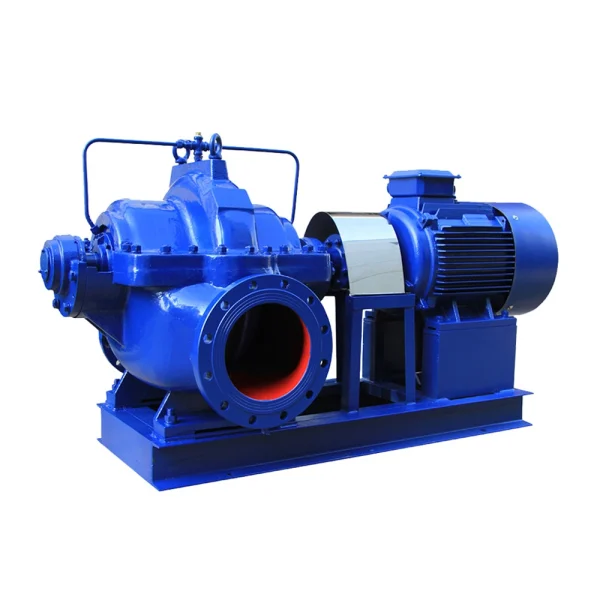
Our Vertical Turbine Fire-Fighting Pump and Split Casing Double Suction Pump products are engineered to meet these NFPA 20 criteria across the full range of fire pump design variations.
What are the key differences between NFPA 20 and GB6245 for fire pump installations?
NFPA 20 treats fire pump installation as a system integration challenge. The standard assumes you’re coordinating pumps, controllers, piping, and water supplies into a coherent whole. GB6245 focuses on ensuring the pump itself meets manufacturing and performance standards before it reaches the job site. NFPA 20 emphasizes ongoing maintenance and testing; GB6245 emphasizes factory certification and type testing. For international projects, this means you may need to satisfy both frameworks—using GB6245-certified equipment while following NFPA 20 installation practices, or vice versa depending on local authority having jurisdiction.
GB6245 and Chinese Fire Pump Certification Requirements
GB6245 establishes Chinese national standards for fire pump performance, testing, and certification. Any fire pump installed in China must meet these requirements, which include specific benchmarks for flow rates, pressure, efficiency, and durability. The GB6245 fire pump certification process typically involves CCCF (China Compulsory Certification for Fire Products), a mandatory certification that verifies compliance with national safety and quality standards.
The standard specifies fire pump performance curves GB that define acceptable operating ranges. Pumps must perform within these curves under various load conditions, and manufacturers must demonstrate this through standardized testing protocols. GB 50974 fire pump, a related standard, addresses the broader context of fire protection system design and installation within China, complementing GB6245’s product-focused requirements.
Fire pump regulations China have evolved significantly over the past two decades, with increasingly stringent requirements for both domestic and imported equipment. Our engineering team designs products including our Vertical Turbine Fire Fighting Pump and Split Casing Double Suction Pump to align with these requirements, ensuring smooth certification and installation in Chinese markets.
Testing Protocols That Keep Fire Pumps Ready
Fire pump testing and maintenance aren’t optional activities—they’re the difference between a system that works when needed and one that fails catastrophically. NFPA 25 provides the framework for inspection, testing, and maintenance of water-based fire protection systems, including detailed fire pump maintenance schedule requirements.
Weekly fire pump run test: Electric pumps run for 30 minutes, diesel pumps for 60 minutes. This confirms automatic starting, verifies basic operation, and exercises seals and bearings that can deteriorate from sitting idle.
Monthly inspections: Check diesel fuel levels and quality, battery condition, pump room temperature and ventilation, and general equipment condition. Small problems caught monthly don’t become major failures.
Annual fire pump testing: A full flow test fire pump measures actual performance against design specifications. You’re verifying that the pump still delivers its rated flow at its rated pressure, and that the driver performs within acceptable parameters.
Acceptance testing fire pump: Required for new installations or significant modifications. This comprehensive testing confirms the entire system meets design intent and code requirements before being placed in service.
These fire pump test procedures and fire pump inspection protocols exist because fire pumps spend most of their lives sitting idle. Without regular exercise and verification, you won’t know whether the system works until you need it—and that’s exactly the wrong time to discover a problem.
How often should fire pump systems be tested, and what does a typical test involve?
Weekly run tests confirm basic operation and automatic starting capability. Annual flow tests are more comprehensive—you measure actual flow and pressure against the pump’s rated performance curve, verify driver operation, and document results for comparison against previous years. A pump that’s gradually losing performance will show declining numbers over successive annual tests, giving you warning before it fails to meet minimum requirements. Most authorities having jurisdiction require documented test records, and insurance carriers often review them during inspections.
Selecting Equipment That Meets Compliance Requirements
Fire pump system reliability starts with component selection. Every element must meet the demands of applicable standards, whether NFPA 20, GB6245, or both. Electric motors need appropriate sizing and efficiency ratings—IE3 or IE4 ratings provide both code compliance and energy savings over the equipment’s service life. Diesel engines require robust starting systems, reliable fuel supplies, and proper maintenance infrastructure.
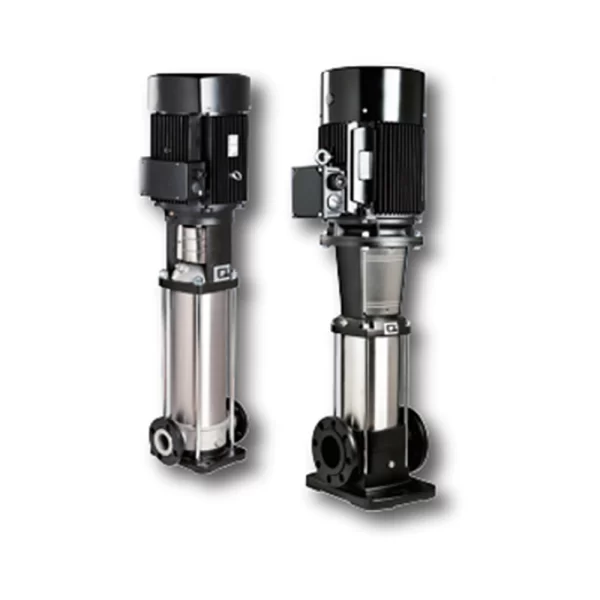
Our product range addresses these requirements across multiple applications. The YBX3 Explosion Proof Three Phase Electric Motor and YBX4 Explosion Proof Three Phase Electric Motor serve fire pump installations in hazardous environments where standard motors aren’t permitted. For water delivery, our Vertical Multi Stage Centrifugal Pump and Single Stage End Suction Volute Pump provide consistent high-pressure performance across their rated operating ranges.
Fire pump system upgrades often involve replacing aging equipment with more efficient alternatives while maintaining or improving compliance status. The right equipment selection simplifies this process.
| Characteristic | Electric Fire Pumps | Diesel Fire Pumps |
|---|---|---|
| Power Source | Utility power (grid) | On-site diesel fuel |
| Reliability | High, dependent on grid stability and backup power. | High, independent of grid, requires fuel maintenance. |
| Maintenance | Generally lower, electrical checks. | Higher, engine maintenance, fuel quality, battery checks. |
| Emissions | Zero direct emissions. | Exhaust emissions, requires ventilation. |
| Cost | Lower initial cost, higher operational cost (electricity). | Higher initial cost, variable operational cost (fuel). |
| Application | Common in urban areas with reliable power. | Preferred in remote areas or where power outages are frequent. |
What Happens When Fire Pump Systems Fall Out of Compliance
Non-compliance with fire pump regulations creates cascading problems. Building code violations trigger fire safety fines that can accumulate daily until corrected. Insurance carriers may deny claims or cancel coverage entirely for buildings with non-compliant fire protection systems. In the event of a fire with injuries or fatalities, non-compliance exposes building owners and facility managers to civil liability and potentially criminal charges.
Beyond legal and financial consequences, a non-compliant system simply may not work when needed. That’s the real risk—not the paperwork, but the possibility that people will die because a fire pump failed to deliver water to sprinklers.
Effective fire pump lifecycle management requires ongoing attention. Regular fire pump compliance audit activities catch problems before they become violations. Documentation of all inspections, tests, and maintenance activities creates a record that demonstrates due diligence. Personnel training ensures that the people responsible for these systems understand both the technical requirements and the stakes involved.
What are the consequences of non-compliance with fire pump regulations?
Immediate consequences include fines, orders to correct violations, and potential building closure until compliance is restored. Insurance implications can be severe—carriers may refuse to pay claims related to fire damage if the protection system wasn’t properly maintained. Legal liability extends to anyone with responsibility for the building’s fire safety, from owners to facility managers to maintenance contractors. The worst consequence, of course, is system failure during an actual fire, with all the human cost that implies.
Working with Shanghai Yimai on Fire Pump Solutions
Shanghai Yimai Industrial Co., Ltd. provides fire pump solutions engineered for compliance with both NFPA 20 and GB6245 standards. Our electrical motors, water pumps, and booster systems address the full range of fire protection applications, from standard commercial installations to specialized industrial environments.
Contact us at overseas1@yimaipump.com or +86 13482295009 to discuss your specific fire pump requirements and compliance challenges.
Frequently Asked Questions About Fire Pump Compliance
What is the primary role of a fire pump in a fire suppression system?
Fire pumps boost water pressure to levels that sprinklers and standpipes need to function effectively. Municipal water supplies often provide adequate volume but insufficient pressure, particularly in high-rise building fire protection systems or facilities with extensive sprinkler coverage. The fire pump activates automatically when system pressure drops below a preset threshold, delivering the flow and pressure required to suppress a fire before it spreads.
Are there specific maintenance requirements for fire pump controllers?
Fire pump controllers require regular inspection and testing under NFPA 25. This includes verifying that all alarms and indicators function correctly, testing automatic and manual starting sequences, checking electrical connections for corrosion or looseness, and confirming that the controller responds appropriately to various fault conditions. Controller failures can prevent an otherwise functional pump from starting, making this maintenance critical.
How do NFPA 20 and GB6245 address the selection of fire pump drivers?
Both standards specify requirements for electric motors and diesel engines used as fire pump drivers. NFPA 20 addresses power ratings, starting methods, connection to the pump, and integration with controllers. GB6245 focuses on performance specifications and certification requirements. For electric motors, both standards require adequate power for the pump’s rated load plus a safety margin. For diesel engines, requirements include automatic starting systems, fuel supply capacity, and exhaust handling. The standards ensure that drivers are appropriately matched to pump requirements and reliable under fire conditions.