
Fire Pump System Design: Ensuring Uninterrupted Fire Protection
Fire pump systems sit at the core of any serious fire protection strategy. When municipal water pressure falls short during an emergency, these systems step in to deliver the flow and pressure that sprinklers and hydrants need to function. Getting the design right means understanding hydraulic demands, selecting components that hold up under stress, and building in enough redundancy that the system performs when it matters most. The work involves balancing regulatory requirements against site-specific conditions, and the margin for error is narrow.
How Hydraulic Demands and NFPA 20 Shape Fire Pump System Design
Fire pump system design starts with a straightforward question: how much water, at what pressure, needs to reach the suppression equipment? The answer depends on the building, its contents, and the fire scenarios that could realistically unfold. Hydraulic calculations drive the sizing decisions, and those calculations must account for friction losses through piping, elevation changes, and the flow demands of the most remote sprinkler heads.
NFPA 20 sets the rules for stationary fire pump installations. The standard covers everything from pump room layout to electrical connections, and deviation from these requirements creates liability and performance risks. Fire pump system design that ignores NFPA 20 compliance will fail inspections and, more importantly, may fail during an actual fire. Every project we work on follows these guidelines as a baseline, not an aspiration.
Water supply evaluation comes early in the process. Available sources might include municipal mains, storage tanks, or natural bodies of water, and each has different reliability characteristics. A municipal connection that delivers adequate pressure under normal conditions may drop significantly when multiple hydrants open during a large fire. Fire pump system design must account for these worst-case scenarios.
Risk assessment shapes the protection level. A warehouse storing flammable liquids needs a different approach than an office building. Construction type matters because fire spread rates vary with materials. Occupancy patterns affect evacuation timelines and the window available for suppression systems to control a fire. These factors feed into the hydraulic calculations and ultimately determine pump capacity requirements.
Component selection follows from the performance requirements. Pumps, controllers, and piping must handle the operational stresses of emergency activation after potentially long idle periods. Materials need to resist corrosion in the specific environment where they’ll be installed. Fire pump system design that specifies marginal components to save costs often results in premature failures and expensive retrofits.

Vertical turbine pumps work well for applications drawing from underground tanks or wells. The YM-VTP model handles flow rates from 20 to 50,000 m³/h with head ranges between 3 and 300 meters. Industrial facilities, high-rise buildings, and municipal systems all use this configuration when suction conditions favor a vertical arrangement. Proper integration into the overall fire pump system design requires attention to suction piping, shaft alignment, and driver connections.
What Jockey Pumps, Main Pumps, and Diesel Backups Actually Do
Fire pump systems rely on multiple pumps working together, each handling a specific part of the pressure maintenance and delivery problem. The division of labor makes sense once you understand what each component contributes.
Jockey pumps handle the routine work of keeping system pressure stable. Fire sprinkler systems lose small amounts of pressure through minor leaks at fittings and valve seats. Without compensation, these losses would eventually trigger the main pump, causing unnecessary wear and false alarms. The jockey pump cycles on and off frequently, adding small amounts of water to maintain the target pressure range. It’s a small pump, typically a fraction of the main pump’s capacity, but its continuous availability keeps the system ready.
Main fire pumps activate when pressure drops indicate an actual demand. A sprinkler head opening or a fire department connection being charged creates a pressure drop that exceeds what the jockey pump can handle. The main pump starts automatically and delivers the high-volume flow needed for suppression. Electric fire pump installations draw from the building’s power supply, often with a dedicated circuit to prevent other loads from interfering. Diesel engine fire pump configurations provide complete independence from the electrical grid.
The choice between electric and diesel main pumps involves tradeoffs. Electric pumps cost less to install and maintain, but they depend on power availability. Diesel pumps add fuel storage requirements and more complex maintenance schedules, but they start and run regardless of what’s happening with the electrical supply. Many fire pump system design specifications call for both, with the diesel unit serving as backup when the electric pump or its power source fails.
Fire pump controllers coordinate the entire sequence. They monitor system pressure continuously, start the jockey pump when pressure dips slightly, and bring the main pump online when the drop exceeds the jockey pump’s capacity. Controllers also handle alarm functions, signaling when pumps fail to start, when pressure remains low despite pump operation, or when other fault conditions occur. The YM10B-231DE diesel engine delivers 231 kW of main power, providing the mechanical force needed to drive pumps during grid outages.
What is the difference between a jockey pump and a main fire pump?
Jockey pumps maintain baseline system pressure by compensating for minor leaks and pressure fluctuations. They run frequently in short cycles and have relatively low flow capacity. Main fire pumps deliver the high-volume flow required during actual fire events, activating only when significant pressure drops indicate suppression system demand. The capacity difference is substantial, often a factor of ten or more between the two pump types.
Getting Fire Pump Installation and Maintenance Right
Installation quality determines whether a fire pump system performs as designed or becomes a source of problems. The physical work of mounting pumps, connecting piping, and wiring controllers requires precision that matches the engineering effort behind the design.
Fire pump room design affects accessibility for maintenance and testing. Pumps need adequate clearance for service access, and the room needs ventilation to handle heat from diesel engines or electric motor losses. Drainage provisions prevent water accumulation from testing or minor leaks. Lighting and electrical outlets support maintenance activities. These practical considerations often get overlooked in early design phases, leading to cramped installations that make routine work difficult.
Alignment between pumps and drivers is critical. Misalignment causes bearing wear, seal failures, and vibration that propagates through the piping system. Proper grouting of baseplates prevents settling that would throw alignment off over time. Flexible couplings accommodate minor misalignment but cannot compensate for poor initial installation. Fire pump system design specifications should include alignment tolerances and verification procedures.
Electrical connections for electric fire pumps require dedicated circuits with appropriate overcurrent protection. The controller needs reliable power to monitor the system and initiate pump starts. Transfer switches for backup power sources must operate correctly under load. Diesel engine installations involve fuel supply piping, exhaust systems, and battery charging circuits. Each of these subsystems needs proper installation to function reliably.
Testing procedures verify that the installed system meets design requirements. Weekly pump run tests confirm that pumps start and operate without obvious problems. Annual flow tests measure actual performance against rated capacity. These tests catch degradation before it compromises fire protection capability. NFPA 25 provides the inspection standards that govern testing frequency and procedures.
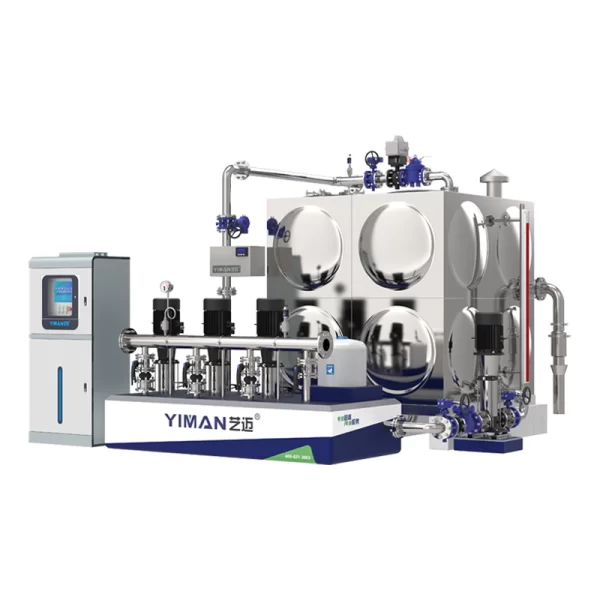
Variable frequency drive technology appears in some fire pump applications where pressure control flexibility matters. The VFD Controlled Booster System achieves pressure adjustment accuracy within 0.01 MPa, demonstrating the precision available with modern control systems. While not all fire pump installations benefit from VFD control, the technology illustrates how electronic controls enhance system performance.
How often should a fire pump system be inspected and tested?
Weekly pump run tests lasting at least ten minutes verify basic operational readiness. Monthly inspections cover visual checks of components and controller status. Annual flow tests per NFPA 25 inspection standards measure actual pump performance against rated capacity and pressure. These tests identify degradation trends that might not be apparent from shorter operational checks.
Where Fire Pump Systems Fail and How to Build in Protection
Fire pump systems can fail in ways that leave buildings unprotected during fires. Understanding common failure modes allows designers to build in protections that maintain system availability.
Power loss disables electric fire pumps unless backup sources exist. Grid outages during severe weather often coincide with increased fire risk from lightning strikes or wind damage. A fire pump system design that relies solely on electric pumps without backup power creates a dangerous gap in protection. Diesel engine backup or dual utility feeds address this vulnerability.
Pump cavitation occurs when suction pressure drops below the level needed to keep water in liquid form. Vapor bubbles form at the impeller inlet and collapse violently as pressure increases through the pump, eroding metal surfaces and reducing efficiency. Cavitation damage accumulates over time, eventually rendering pumps unable to deliver rated performance. Proper suction piping design, adequate tank levels, and monitoring systems prevent this failure mode.
Controller malfunctions can prevent automatic pump activation. Software bugs, relay failures, or wiring problems may leave the system unable to respond to pressure drops. Redundant control systems and regular testing catch these issues before they matter. Fire pump system design should include provisions for manual pump operation as a backup to automatic controls.
Mechanical failures in pumps, drivers, or piping can occur despite proper maintenance. Bearing failures, seal leaks, and coupling problems develop over time. Redundant pump configurations, where a second pump can carry the load if the primary fails, provide protection against single-point mechanical failures. The additional cost of redundancy pays off when a pump fails during a fire.
Monitoring systems that track pump performance trends help identify developing problems. Vibration analysis detects bearing wear before catastrophic failure. Flow and pressure measurements during tests reveal efficiency degradation. Temperature monitoring on motors and engines catches cooling problems. These diagnostic capabilities support predictive maintenance that prevents failures rather than reacting to them.
What are the common failure points in fire pump systems and how can they be mitigated?
Power failures are addressed through diesel engine backup or secondary electric feeds. The Fire Fighting Diesel Engine provides independent power that operates regardless of grid status. Cavitation prevention requires proper hydraulic design with adequate suction pressure margins. Controller reliability improves with redundant systems and regular testing. Preventive maintenance programs catch mechanical issues before they cause failures during emergencies.
Partner with Shanghai Yimai for Unwavering Fire Protection
As a professional manufacturer of water pumps and booster systems, Shanghai Yimai Industrial Co., Ltd. provides comprehensive fire pump solutions engineered for superior performance and unwavering reliability. Partner with us to design and implement a fire protection system that meets the most stringent safety standards. Contact our experts today at overseas1@yimaipump.com or +86 13482295009 for a consultation tailored to your project’s unique requirements.
Frequently Asked Questions About Fire Pump Systems
What are the key considerations for selecting the right fire pump system for a commercial building?
Building occupancy determines the hazard classification and required suppression capacity. Water source reliability affects whether storage tanks or booster pumps are needed. NFPA 20 compliance establishes minimum requirements for pump types, controllers, and installation details. Fire pump system design must also account for future building modifications that might increase water demand.
How does a diesel engine fire pump provide superior reliability compared to electric models?
The Fire Fighting Diesel Engine operates independently of the electrical grid, starting automatically when pressure drops indicate demand. This independence matters during power outages, which often accompany severe weather that increases fire risk. Diesel engines also provide high torque at startup, bringing pumps to full speed quickly. The tradeoff involves more complex maintenance requirements and fuel storage considerations.
What role does the fire pump controller play in the overall fire suppression system?
The controller monitors system pressure continuously and initiates pump starts when pressure drops below setpoints. It sequences jockey and main pumps appropriately, preventing unnecessary main pump operation while ensuring rapid response to actual fire demands. Alarm functions alert building operators and fire departments to system problems. Manual override capabilities allow operators to start pumps directly when automatic systems malfunction.