
Fire Suppression Design: Sprinkler, Standpipe, Pump Sizing
Fire suppression system design sits at the intersection of engineering precision and real-world unpredictability. Every building presents its own puzzle—different occupancy patterns, construction materials, storage configurations, and water supply constraints. Getting the hydraulics right matters, but so does understanding how firefighters will actually use the system when smoke fills a stairwell at 3 AM. The technical specifications in this field exist for good reasons, often written after hard lessons learned from fires that overwhelmed inadequate systems.
What Drives Fire Suppression System Design Decisions
Fire suppression system design starts with understanding what could burn and how fast. A warehouse stacked with plastic goods behaves differently than an office building with paper files, and both differ dramatically from a data center filled with electronics. The fire hazard assessment process evaluates occupancy type, construction materials, ceiling heights, and potential fuel loads before any pipe sizing begins.
NFPA standards form the regulatory backbone of fire suppression system design in North America. NFPA 13 covers sprinkler installations, NFPA 14 addresses standpipe systems, and NFPA 20 governs fire pump requirements. These documents run hundreds of pages because fire behavior varies enormously across building types and hazard classifications. Building codes fire safety requirements reference these standards, making compliance both a safety imperative and a legal requirement.
Risk assessment fire protection methodology goes beyond checking boxes on a code compliance form. It involves walking the space, talking to facility managers about operations, and thinking through scenarios that might not fit neatly into standard occupancy classifications. A manufacturing facility that occasionally stores flammable solvents needs different consideration than one that never does, even if both fall under the same general industrial category.
| Standard | Primary Focus | Application |
|---|---|---|
| NFPA 13 | Sprinkler Systems | Commercial, Industrial, Residential |
| NFPA 14 | Standpipe Systems | High-rise, Large Area Buildings |
| NFPA 20 | Fire Pumps | Systems Requiring Pressure Boost |
| NFPA 25 | Inspection, Testing, Maintenance | All Water-Based Systems |
How Sprinkler System Sizing Affects Real-World Performance
Hydraulic calculations determine whether a sprinkler system will actually control a fire or merely slow it down. The math involves friction losses through pipes, elevation changes, and the pressure needed to deliver specific water densities over the design area. Advanced hydraulic calculation software handles these computations, but the engineer still needs to understand what the numbers mean and where assumptions might not hold.
Wet pipe systems remain the most common choice because they respond immediately—water sits in the pipes under pressure, ready to flow the moment a sprinkler head activates. Dry pipe systems substitute pressurized air for water, which delays discharge by 30 to 60 seconds while the air exhausts and water travels to the open head. This delay matters in fast-developing fires, but dry pipe systems prevent frozen pipes in unheated spaces where wet systems would fail.
Pre-action fire suppression systems add a layer of protection for spaces where accidental water discharge would cause significant damage. These systems require both sprinkler activation and a separate detection event before water enters the piping. Data centers and museums often use pre-action designs because a false alarm that floods server racks or rare manuscripts creates its own disaster.
Deluge systems take the opposite approach, using open sprinkler heads that discharge simultaneously across an entire area when triggered. Aircraft hangars and chemical storage facilities use deluge systems because fires in these environments can spread faster than individual sprinkler activations can contain them.
Warehouse fire sprinkler design presents particular challenges because storage configurations change. A rack storage arrangement with 25-foot-high shelving requires in-rack sprinklers and higher water densities than the same building used for floor storage. Commodity classification—whether goods are cartoned, exposed, or contain plastics—directly affects the required design density. Retrofit fire sprinkler systems in existing warehouses must account for current and anticipated storage practices, not just what the original design assumed.
Standpipe Systems Give Firefighters Water Where They Need It
Standpipe systems exist because fire hoses have practical length limits. In a high-rise building, firefighters cannot drag enough hose up 20 floors to reach a fire with adequate pressure remaining. Standpipe systems bring water vertically through the building, with hose connections on each floor where firefighters can connect and advance into the fire area.
NFPA 14 standpipe systems requirements define three classes based on intended users. Class I systems provide 2.5-inch connections for fire department use, delivering the flow rates needed for large handlines. Class II systems offer 1.5-inch connections with attached hose for building occupants, though fire departments often discourage untrained occupant firefighting. Class III systems combine both connection sizes, providing flexibility for different response scenarios.
Hose connection types and placement affect how quickly firefighters can establish water supply and begin suppression. Connections typically appear in stairwells and at standpipe locations throughout floor areas, positioned so that hose lengths can reach all portions of the floor. The water supply for fire suppression must deliver adequate pressure at the topmost and most remote hose connections, which often requires fire pumps in taller buildings.
System pressure testing verifies that the installed standpipe meets design requirements under flowing conditions. Static pressure readings tell only part of the story—the system must maintain adequate residual pressure while delivering the required flow rate. High-rise fire protection depends on standpipe systems performing as designed when firefighters open multiple hose connections simultaneously.
| Class | User | Hose Connection Size | Primary Application |
|---|---|---|---|
| I | Fire Department | 2.5 inch | Large buildings, high-rises |
| II | Occupants | 1.5 inch | Light hazard occupancies |
| III | FD & Occupants | 1.5 & 2.5 inch | Versatile, combines I & II benefits |
Fire Pump Selection Determines System Capability
Municipal water supplies vary enormously in available pressure and flow. A building in a dense urban area might have 80 PSI available at the street main, while a rural industrial facility might see only 30 PSI. When the available supply falls short of system requirements, fire pumps bridge the gap.
Fire pump sizing calculations work backward from the most demanding system area. The pump must deliver the required flow rate at the pressure needed to overcome friction losses, elevation, and still provide adequate residual pressure at the most remote sprinkler or hose connection. Undersizing means the system cannot perform as designed. Oversizing wastes money and can create control problems.
Centrifugal pumps handle most fire pump applications where water comes from a pressurized source like a municipal main or elevated tank. Vertical Turbine Fire Fighting Pump configurations work better when drawing from wells, ground-level tanks, or other unpressurized sources because the impeller sits submerged in the water, eliminating priming concerns.
Jockey pumps maintain system pressure between fire events, compensating for minor leaks and pressure fluctuations without cycling the main fire pump. Without a jockey pump, the main pump would start every time system pressure dropped slightly, wearing out the motor and pump components prematurely.
NFPA 20 fire pump installation standards cover everything from pump room construction to controller requirements. Fire pump controller requirements include automatic starting on pressure drop, manual start capability, and various alarms and indicators. The controller must start the pump reliably after sitting idle for months or years.
The water supply impact fire suppression system performance cannot be overstated. A perfectly designed sprinkler system connected to an inadequate water supply will fail to control a fire. Shanghai Yimai Industrial water pumps, including Split Casing Double Suction Pump and Vertical Multi-Stage Centrifugal Pump models, address these supply limitations. Fire fighting diesel engine backup ensures pump operation continues even during power outages.
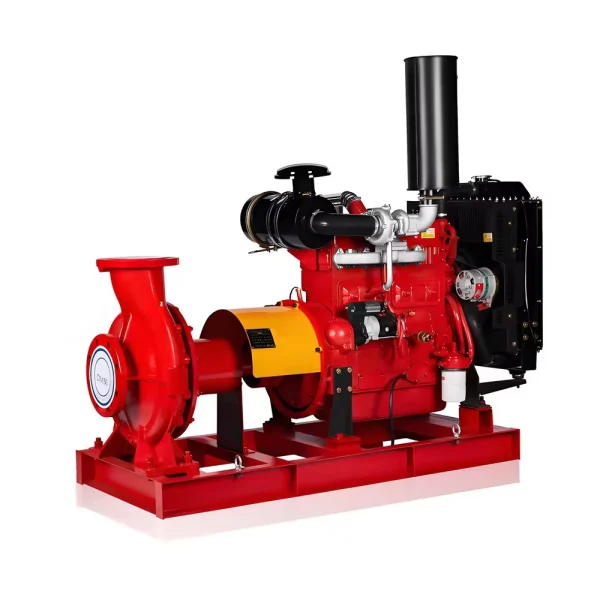
| Feature | Centrifugal Pump | Vertical Turbine Pump |
|---|---|---|
| Water Source | Pressurized supply, tanks | Wells, sumps, open bodies of water |
| Installation | Horizontal, often in pump room | Vertical, submerged impeller |
| Priming | Requires priming | Self-priming (impeller submerged) |
| Space | Requires more floor space | Smaller footprint |
| Cost | Generally lower initial cost | Higher initial cost |
Maintenance Keeps Fire Suppression Systems Ready
A fire suppression system that worked perfectly during commissioning can deteriorate over years of neglect. Valves stick closed, pipes corrode internally, pump seals wear, and control equipment fails. NFPA 25 establishes inspection, testing, and maintenance frequencies for water-based fire protection systems, creating a framework for ongoing readiness.
Fire suppression system maintenance includes visual inspections, functional tests, and periodic flow tests that verify actual system performance. Quarterly inspections check valve positions, gauge readings, and obvious physical damage. Annual tests verify alarm functions, waterflow switches, and pump operation. Five-year internal pipe inspections look for corrosion, biological growth, and foreign material that could obstruct flow.
Authorities having jurisdiction (AHJ) requirements vary by location, sometimes exceeding NFPA minimums. Documentation of all inspection, testing, and maintenance activities provides evidence of compliance and creates a history that can identify developing problems before they cause system failure.
Alarm and detection systems provide early warning that allows occupants to evacuate and firefighters to respond before conditions deteriorate. Integrating fire alarm systems with suppression equipment ensures coordinated response—the alarm sounds, the fire department receives notification, and the suppression system activates as designed.
Sustainable fire suppression practices consider long-term operational costs alongside initial installation expenses. A slightly more expensive pump with better efficiency ratings may cost less over its 20-year service life than a cheaper alternative. Engineering design considerations should account for maintenance access, replacement part availability, and the practical realities of keeping systems operational for decades.
Solving Difficult Fire Suppression Design Problems
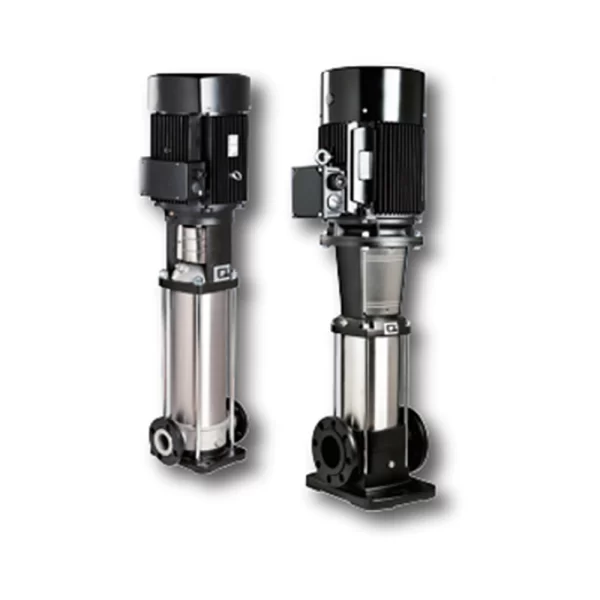
Water supply limitations fire protection challenges appear frequently in rural areas, older urban infrastructure, and sites far from adequate municipal mains. Solutions include on-site water storage tanks, booster pump systems, and sometimes dedicated wells. The VFD Controlled Booster System and Intelligent Digital Drived VFD Booster System from Shanghai Yimai Industrial can significantly enhance available pressure and flow when municipal supplies fall short.
Retrofit fire sprinkler systems in existing buildings require creative problem-solving. Historic structures may have plaster ceilings that cannot be disturbed, limited chase space for vertical piping, and architectural features that must be preserved. Exposed piping with appropriate finishes sometimes provides the only practical solution. Coordination with architects and preservation specialists helps balance fire safety with building character.
Industrial fire protection solutions address hazards that standard commercial designs cannot handle. Flammable liquid storage, combustible dust environments, and high-piled combustible storage each require specialized approaches. The fire suppression system design must match the specific hazard, not just the general occupancy classification.
Commercial building fire safety increasingly involves integration with building management systems. Fire alarm signals can trigger HVAC shutdown, elevator recall, access control changes, and emergency lighting activation. Data center fire suppression takes this integration further, potentially initiating controlled shutdown sequences for servers before suppression activates.
Common challenges fire suppression design professionals encounter include conflicting architectural requirements, budget constraints that push toward minimum code compliance, and schedule pressures that limit engineering analysis time. The best outcomes result from early involvement in the design process, when fire protection considerations can influence building layout rather than being forced to work around fixed constraints.
Work with Shanghai Yimai Industrial on Your Fire Protection Project
Shanghai Yimai Industrial Co., Ltd. provides water pump solutions and integrated systems for fire suppression system design applications. Our booster water systems and Prefabricated Pump Station products support reliable, code-compliant fire protection installations. Contact our engineering team to discuss your project requirements and explore how our equipment can address your specific challenges.
Email: overseas1@yimaipump.com | Phone/WhatsApp: +86 13482295009
Frequently Asked Questions on Fire Suppression System Design
What are the key differences between wet pipe and dry pipe sprinkler systems?
Wet pipe systems hold water under pressure continuously, discharging immediately when a sprinkler head activates from heat exposure. Dry pipe systems contain pressurized air or nitrogen instead, with water entering only after activation causes air pressure to drop and open a valve. The practical difference comes down to response time versus freeze protection—wet systems respond faster but cannot be installed in spaces that might freeze. Fire suppression system design decisions between these options depend primarily on building climate control.
How do I determine the correct fire pump size for a commercial building?
Fire pump sizing requires hydraulic calculations that account for the most demanding sprinkler or standpipe system area, including friction losses through piping, elevation differences, and required residual pressures at the most remote outlets. The calculation produces a required flow rate in GPM and pressure in PSI that the pump must deliver simultaneously. NFPA 20 fire pump installation standards provide the framework, but accurate results require detailed system information and engineering analysis.
What are the essential NFPA standards for standpipe system design?
NFPA 14 governs standpipe and hose system design, covering classification requirements, water supply specifications, pressure and flow requirements, hose connection placement, and testing procedures. The standard addresses Class I, II, and III systems with different requirements for each. Local building codes typically adopt NFPA 14 by reference, making compliance mandatory for permitted construction.
What are the common challenges in fire suppression system retrofits?
Existing buildings present constraints that new construction avoids. Piping must route around structural elements, existing utilities, and architectural features that cannot be modified. Water supplies may be inadequate for modern code requirements. Ceiling heights and configurations may not accommodate standard sprinkler coverage patterns. Successful retrofits require creative engineering, careful coordination with other trades, and sometimes acceptance of alternative approaches that achieve equivalent protection through different means.
How does water supply impact fire suppression system efficiency?
Water supply determines the upper limit of what any fire suppression system can achieve. Inadequate pressure means sprinklers cannot deliver design densities. Insufficient flow means the system cannot supply multiple operating sprinklers or hose connections simultaneously. Fire suppression system design must verify available supply through flow testing, then either work within those limits or add pumping capacity to meet requirements. Booster systems from manufacturers like Shanghai Yimai Industrial address supply limitations when municipal infrastructure falls short.