Food Waste Solutions: Grinders and Digesters for Sustainability
Food waste sits in a strange place in most operations—it’s visible, it smells, it takes up space, and yet it often gets treated as an afterthought until regulations or costs force the issue. Having worked through dozens of facility assessments, I’ve watched the same pattern repeat: what starts as a disposal headache becomes, with the right equipment, a genuine operational advantage. The shift from “getting rid of waste” to “recovering resources” isn’t just environmental posturing. It changes how kitchens run, what goes down the drain, and sometimes even the bottom line. This piece walks through the practical mechanics of grinders and digesters—what they actually do, where each fits, and how to think about combining them.
Why Food Waste Has Become an Operational Priority
The numbers behind food waste are difficult to ignore. Billions of tons of organic material end up in landfills annually, where decomposition without oxygen produces methane—a greenhouse gas with roughly 25 times the warming potential of carbon dioxide over a century. That environmental reality has translated into regulatory pressure across most industrialized regions, with stricter mandates on diversion rates and disposal methods.
For commercial kitchens and food processing facilities, the challenge is more immediate than policy timelines suggest. Large volumes of organic waste create daily logistical problems: odor control, pest attraction, storage space, and hauling frequency. Traditional disposal—bagging waste and sending it to landfill—works until it doesn’t. Rising tipping fees, distance to disposal sites, and compliance requirements have pushed many operations toward on-site treatment as a practical necessity rather than an environmental gesture.
The economic case compounds over time. Facilities that process waste on-site typically see reduced hauling costs, lower water treatment surcharges from cleaner discharge, and in some configurations, recovered energy or fertilizer value. The upfront investment is real, but the operational math often favors treatment equipment within a few years.
What In-Sink Grinders Actually Do to Food Waste
In-sink grinders occupy the front line of food waste management, though their function is often misunderstood. These aren’t disposal units in the household sense—commercial grinders are pre-treatment systems designed to reduce volume and change the physical state of organic waste before it moves downstream.
The mechanical process is straightforward. Powerful motors drive grinding elements that pulverize food scraps into a fine slurry, typically reducing particle size to a few millimeters. This transformation serves multiple purposes: the slurry occupies far less space than intact waste, flows through plumbing more readily, and presents fewer opportunities for odor development or pest attraction.
What makes this pre-treatment valuable extends beyond volume reduction. Ground waste integrates more easily with wastewater streams, reducing the burden on grease traps and improving overall discharge quality. For facilities with downstream digesters, properly ground material breaks down faster and more completely during biological processing.
Yimai’s double-shaft shredder machine technology handles the range of organic materials commercial kitchens produce—from soft vegetable trimmings to denser meat scraps and small bones. The dual-shaft design provides consistent particle reduction across varying waste compositions, which matters when waste streams change throughout service periods.
Matching Grinder Types to Operational Demands
Commercial grinders come in configurations suited to different operational rhythms. Continuous feed units accept waste while running, making them practical for high-volume environments where staff can’t pause to batch-load equipment. Large hotel kitchens and institutional food service operations typically favor this approach—waste goes in as it’s generated, and the grinder handles the flow.
Batch feed grinders require loading before activation, offering more control over what enters the system and when. Smaller operations or facilities processing specific waste streams often prefer this configuration. The deliberate loading process also reduces the risk of inappropriate materials entering the grinder.
Heavy-duty industrial units serve food processing plants where waste volumes and material density exceed what kitchen-grade equipment can handle. These systems feature higher horsepower ratings, more robust grinding elements, and construction designed for continuous operation across extended shifts. A meat processing facility generates different demands than a restaurant kitchen, and equipment selection should reflect that reality.
Keeping Grinders Running Without Surprises
Grinder reliability depends heavily on installation quality and maintenance discipline. Proper installation means more than connecting plumbing—adequate water supply for flushing, correct electrical service, and compliance with local codes all affect long-term performance.
Routine maintenance prevents the gradual degradation that leads to unexpected failures. Regular cleaning removes accumulated grease and food particles that can coat grinding surfaces and restrict flow. Inspection schedules should cover grinding elements for wear, motor condition, and seal integrity. Blade sharpening or replacement follows predictable intervals based on usage patterns.
The maintenance investment pays off in avoided downtime. A grinder failure during peak service creates immediate operational chaos—waste accumulates, odors develop, and staff scramble for alternatives. Preventive attention costs less than emergency repairs and keeps kitchen operations predictable.
How Digesters Transform Waste Into Resources
Digesters represent a fundamentally different approach to food waste—not just processing it for easier disposal, but converting it into outputs with independent value. The underlying process, anaerobic digestion, uses biological activity rather than mechanical force to break down organic matter.
In an oxygen-free environment, specialized microorganisms consume organic material through a series of biochemical reactions. The process produces biogas, a mixture dominated by methane and carbon dioxide, along with a residual material called digestate. Both outputs have practical applications: biogas can fuel boilers, generators, or combined heat and power systems, while digestate serves as organic fertilizer.
The science is well-established, but implementation requires attention to operating conditions. Temperature, pH, retention time, and feedstock composition all influence digester performance. Systems designed for food waste typically operate in the mesophilic range (around 35-40°C) or thermophilic range (50-55°C), with higher temperatures accelerating breakdown but requiring more precise control.
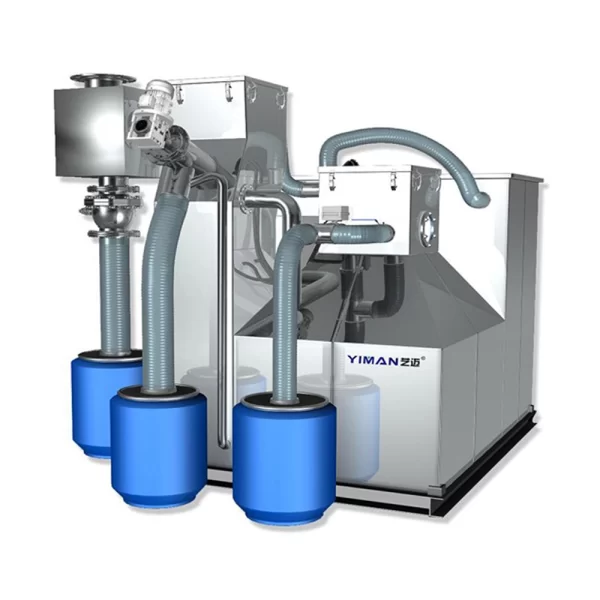
Yimai’s integrated water and sewage treatment systems complement digestion processes by managing the liquid fraction of digestate and ensuring discharge quality meets environmental standards. This integration matters because digestion produces both solid and liquid outputs, and both require appropriate handling.
Environmental Returns From Digestion Systems
The environmental case for food waste digesters rests on multiple mechanisms working together. Diverting organic waste from landfills directly reduces methane emissions—the same decomposition occurs, but in a controlled environment where the gas is captured rather than released.
Captured biogas displaces fossil fuels when used for energy generation. A facility running heating systems or electrical generation on biogas reduces its purchased energy consumption and associated emissions. The displacement effect compounds over time as the digester continues processing waste.
Digestate application replaces synthetic fertilizers, which carry their own environmental burden from manufacturing and application. Organic fertilizers improve soil structure and water retention while providing nutrients, and they avoid the chemical runoff associated with synthetic alternatives. The closed-loop aspect—food waste becoming fertilizer that grows more food—embodies circular economy principles in tangible form.
Planning a Digester Installation
Digester implementation demands more planning than most equipment purchases. Waste stream characterization comes first: what materials will feed the system, in what volumes, and with what consistency? Food waste composition varies significantly between a vegetable processing facility and a mixed commercial kitchen, and digester design should match the actual feedstock.
Energy recovery goals shape system configuration. Facilities with high thermal loads might prioritize biogas for heating, while those with electrical demand might invest in generation equipment. Some operations simply flare excess biogas when energy recovery infrastructure isn’t justified by volume.
Regulatory requirements vary by jurisdiction but typically cover emissions permits, digestate handling and application, and discharge standards for liquid effluent. Permitting timelines can extend project schedules significantly, making early engagement with regulatory agencies advisable.
Site conditions influence everything from digester sizing to ancillary equipment needs. Space constraints, utility connections, and integration with existing waste handling infrastructure all factor into design decisions. Yimai’s experience with industrial food processing waste treatment informs system design that accounts for these practical realities.
Deciding Between Grinders and Digesters
The choice between food waste grinders and digesters isn’t always either/or, but understanding what each system accomplishes helps clarify where each fits.
| Feature | In-Sink Grinders | Food Waste Digesters |
|---|---|---|
| Primary Function | Volume reduction, pre-treatment, ease of disposal | Resource recovery (biogas, digestate), waste-to-energy |
| Waste Form | Solid food waste | Organic matter (food waste, agricultural residues) |
| Output | Slurry for discharge or further processing | Biogas (energy), Digestate (fertilizer) |
| Benefits | Improved hygiene, reduced odors, streamlined operations | Renewable energy, reduced GHG emissions, organic fertilizer |
| Cost-Effectiveness | Lower initial investment, operational savings | Higher initial investment, long-term revenue from outputs |
| Best Use Cases | Commercial kitchens, restaurants, immediate waste disposal | Industrial food processing, municipal waste, large-scale organic waste |
Grinders solve immediate operational problems at relatively modest cost. They improve kitchen hygiene, reduce waste handling labor, and prepare material for downstream processing or discharge. For many commercial kitchens, a grinder alone addresses the most pressing food waste challenges.
Digesters require larger investment and more operational attention, but they generate returns that grinders cannot: renewable energy and fertilizer with market value or internal use. Facilities with sufficient waste volume and appropriate infrastructure often find the long-term economics favor digestion despite higher upfront costs.
The combination frequently makes the most sense. Grinders prepare waste for digestion by reducing particle size and homogenizing the feedstock, which improves digester efficiency and biogas yield. This integrated approach captures benefits from both technologies.
Building Complete Food Waste Treatment Systems
Optimizing food waste management typically requires thinking beyond individual equipment pieces to system-level design. How waste flows from generation through treatment to final disposition determines overall performance.
An integrated approach might begin with grinders at waste generation points, reducing volume and preparing material for transport. Ground waste moves to digesters for biological processing, producing biogas and digestate. Liquid effluent from digestion requires treatment before discharge, connecting food waste processing to wastewater management.
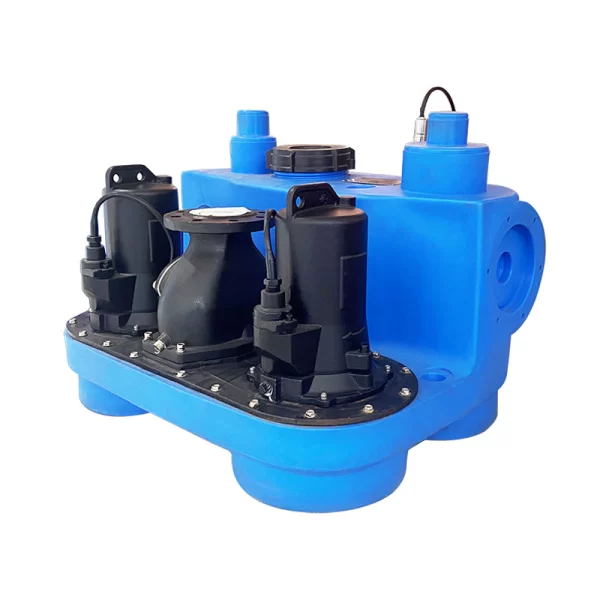
Yimai designs and implements turnkey systems that address these interconnections. Solid-garbage waste treatment systems handle the mechanical processing stages. Oil-water separation systems manage grease-laden streams that would otherwise compromise downstream processes. Sewage water treatment systems ensure liquid discharge meets environmental standards.
The integrated design philosophy recognizes that waste streams don’t exist in isolation. Kitchen operations produce food waste, grease, and wastewater simultaneously, and treatment systems that address these streams together operate more efficiently than disconnected solutions. This systems thinking extends to control integration, where monitoring and adjustment happen across the treatment chain rather than at individual equipment pieces.
Sustainable food waste management has moved from aspiration to operational necessity for many facilities. Grinders and digesters offer distinct capabilities that address different aspects of the challenge—volume reduction and improved handling from grinders, resource recovery and environmental benefit from digesters. The right configuration depends on waste characteristics, facility constraints, and operational goals, but the direction is clear: treating food waste as a resource rather than a disposal problem.
Working With Shanghai Yimai Industrial Co., Ltd.
Shanghai Yimai Industrial Co., Ltd. brings manufacturing capability and application experience to food waste treatment challenges. Our equipment range includes industrial shredder machines and double screw continuous presser machines for mechanical processing, along with integrated solutions like the Integrated Room Type Pump Station and comprehensive sewage treatment systems.
Custom consultation addresses the specific conditions each facility presents—waste composition, volume patterns, space constraints, and regulatory requirements all inform system design. Our manufacturing capabilities support equipment configurations that match actual operational needs rather than forcing standard solutions onto unique situations.
Contact us to discuss your food waste treatment requirements. Email: overseas1@yimaipump.com | Phone/WhatsApp: +86 13482295009.
Frequently Asked Questions About Food Waste Treatment Systems
What maintenance is required for commercial food waste treatment systems?
Commercial food waste treatment systems need regular attention to perform reliably. Cleaning schedules prevent blockages and control odors—the frequency depends on waste volume and composition. Moving parts like grinder blades and digester mixers wear over time and require inspection for degradation. Professional servicing at scheduled intervals catches developing problems before they cause failures. For equipment like the double screw continuous presser machine, screw condition and seal integrity directly affect dewatering performance and should be checked routinely.
How do food waste treatment systems contribute to a circular economy?
Food waste treatment systems close resource loops that traditional disposal leaves open. Digesters convert organic waste into biogas for energy and digestate for fertilizer—both outputs that would otherwise require virgin resource extraction or synthesis. This conversion reduces landfill volume while creating products with ongoing utility. The circular aspect becomes concrete when digestate fertilizes crops that eventually become food waste, completing the cycle. Grinders contribute by enabling efficient downstream processing that makes resource recovery practical.
Are there specific regulatory requirements for industrial food waste disposal?
Regulatory frameworks for industrial food waste vary by location but share common themes. Discharge permits typically specify pre-treatment standards for wastewater, limiting what can enter municipal systems. Biogas production may require air quality permits depending on utilization method. Digestate application as fertilizer often falls under agricultural regulations governing nutrient management. Facilities should engage with local regulatory agencies early in project planning to understand applicable requirements and permitting timelines. Compliance obligations affect system design and operating procedures.
Can Shanghai Yimai Industrial Co., Ltd. customize food waste solutions for large-scale operations?
Large-scale operations present challenges that standard equipment configurations may not address adequately. Yimai designs and manufactures systems scaled to industrial and municipal requirements, with customizable solid-garbage waste treatment systems and sewage water treatment systems. Modular intelligent integrated water plant designs allow capacity matching to actual waste volumes. Our engineering process begins with waste stream characterization and facility assessment, leading to specifications that reflect real operational conditions rather than catalog assumptions. Scalability and efficiency guide design decisions throughout.
If you’re interested, check out these related articles:
Industry 4 0 Ready 95 Efficient End Suction Pump Redefining Global Fluid Management
Complete Guide to Wholesale Vertical Multi Stage Centrifugal Pump