Industrial Water Pump Applications: Optimizing Manufacturing, Power, Mining
Heavy industry runs on water movement. Manufacturing lines, power stations, and mining pits all depend on pumps that can handle punishing conditions day after day. When these systems work well, operations stay productive and costs stay predictable. When they fail, everything stops. The right pump selection makes the difference between a facility that hums along and one that fights constant maintenance battles.
How Manufacturing Relies on Precise Water Pump Performance
Manufacturing environments demand pumps that deliver consistent, accurate fluid handling across dozens of applications. Process water circulation keeps production lines moving. Wastewater treatment systems protect environmental compliance. Chemical dosing pumps introduce additives at exact concentrations, while cooling water systems prevent equipment from overheating during continuous operation.
The connection between pump reliability and product quality is direct. A cooling system that fluctuates causes temperature variations in processing equipment. A chemical dosing pump that drifts from its setpoint changes the composition of the final product. These aren’t theoretical concerns—they show up in reject rates and rework costs.
Reducing Water Consumption Through Smarter Pump Systems
Water costs and environmental regulations push manufacturers toward more efficient fluid management. Closed-loop cooling systems recirculate water instead of drawing fresh supply continuously. Recycling systems capture process water for reuse rather than sending it to treatment.
Energy-efficient pumps manufacturing operations depend on can cut electricity costs substantially over their service life. A pump running 24 hours a day, 365 days a year accumulates significant operating expense. Selecting equipment with better hydraulic efficiency and motor ratings pays back the initial investment through lower utility bills.
Matching Industrial Water Pumps to Manufacturing Requirements
Choosing the right industrial water pump for a manufacturing application starts with understanding what the pump will actually encounter. Fluid properties matter enormously. A pump moving clean water at room temperature faces completely different challenges than one handling hot caustic solution or slurry with suspended solids.
Flow rate and pressure head calculations determine pump sizing. Undersized equipment struggles to meet demand. Oversized equipment wastes energy and often operates inefficiently at partial load. API standards manufacturing facilities reference provide guidance on construction requirements for different service conditions.
| Factor | Description | Impact on Selection |
|---|---|---|
| Fluid Properties | Viscosity, temperature, chemical composition | Material of construction, seal type |
| Flow Rate | Volume of fluid to be moved per unit time | Pump size, motor power |
| Pressure Head | Required discharge pressure and suction conditions | Pump type (centrifugal, positive displacement) |
| Material Compatibility | Resistance to corrosion and abrasion | Longevity, maintenance frequency |
| Efficiency | Energy consumption relative to output | Operating costs, environmental footprint |
Power Generation Demands the Most From Pumping Equipment
Power plants operate under conditions that test every component. Boiler feed pumps push water against hundreds of pounds of pressure at temperatures that would destroy ordinary equipment. Condensate extraction pumps recover water from steam systems. Cooling tower pumps move enormous volumes to reject heat from the generation cycle.
A single pump failure in a power plant can force a unit offline. The financial impact of lost generation capacity dwarfs the cost of the pump itself. This reality drives power generation facilities toward equipment with proven reliability records and designs that tolerate the extreme conditions these applications present.
Engineering Pumps for Extreme Temperature and Pressure Service
The thermal and hydraulic stresses in power plant service require specialized engineering. High-temperature pumps use materials that maintain strength and dimensional stability when exposed to steam-temperature fluids. High-pressure pump design incorporates heavier casings, reinforced shafts, and seal systems rated for the operating conditions.
Cavitation presents a particular challenge in power plant applications. When suction conditions allow fluid to vaporize inside the pump, the resulting bubble collapse damages impellers and casings. Careful NPSH power generation calculations during system design prevent this destructive phenomenon.
Improving Power Plant Efficiency Through Pump Optimization
Modern power plants squeeze efficiency gains from every system, including pumping. Energy-efficient boiler feed pumps paired with Variable Speed Drives (VSD) adjust their output to match actual demand rather than running at full speed continuously. This matching reduces energy consumption during periods of lower load.
Predictive maintenance power plants implement catches developing problems before they cause unplanned outages. Vibration monitoring, temperature trending, and performance analysis identify pumps that need attention during scheduled maintenance windows rather than forcing emergency repairs.
You might be interested in learning more about the latest advancements in pump technology for power plants. Consider reading 《Split Casing Double Suction Pump High Efficiency Fluid Handling for Demanding Industrial Applications》.
Mining Operations Push Pumps to Their Limits
Mining presents pumping challenges that would destroy equipment designed for cleaner applications. Slurries carry rock particles that grind through metal. Mine water often contains acids that attack conventional materials. Remote locations mean that maintenance support may be hours away.
Dewatering pumps underground keep tunnels and shafts dry enough for safe work. Without reliable dewatering, water accumulates and eventually floods working areas. Tailings management pumps move processed material to storage facilities. Process water pumps mining operations require support mineral extraction and concentration.
Handling Aggressive Fluids in Mining Applications
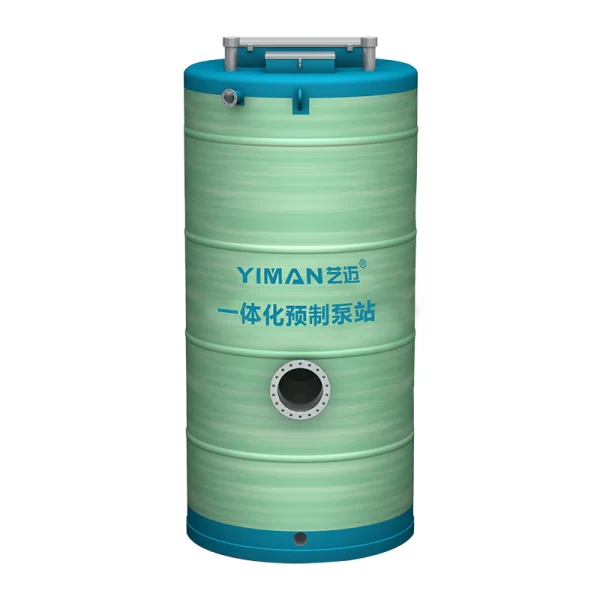
The abrasive nature of mining slurries demands specific design features. Slurry pumps mining applications use feature thick-walled casings and impellers made from materials selected for wear resistance. Elastomer liners absorb impact from larger particles. Hard metal alloys resist the grinding action of fine abrasives.
Corrosive mine water requires different material strategies. Acid mine drainage pumps must resist chemical attack that would eat through standard construction materials. Submersible slurry pumps operate directly in sumps and collection points, eliminating the need for suction piping that can clog with settled solids.
Why Material Selection Determines Pump Life in Mining
The connection between pump materials and service life in mining is stark. A pump built from materials that cannot handle the fluid chemistry will fail quickly, sometimes within weeks. The replacement cost matters less than the production lost during the repair.
Material compatibility mining applications require extends beyond the pump casing to seals, bearings, and fasteners. Every wetted component must resist the specific combination of abrasion, corrosion, and temperature the application presents. Pumps meeting API 610 standards offer construction options suited to aggressive service conditions.
Pump wear resistance directly affects life cycle cost mining pumps accumulate over their service. A pump that lasts three years before requiring major overhaul costs far less to own than one needing rebuild annually, even if the initial purchase price is higher.
Smart Technology Changes How Facilities Manage Pumps
The integration of sensors, data analysis, and connectivity into pumping systems creates new possibilities for reliability and efficiency. Smart pump systems report their operating conditions continuously. IoT in pumps enables remote monitoring of equipment scattered across large facilities or multiple sites.
Predictive maintenance pumps equipped with condition monitoring catch developing problems early. A bearing that begins to wear shows characteristic vibration patterns before it fails completely. Catching that signal allows maintenance during a planned shutdown rather than an emergency response.
Using Data to Prevent Pump Failures Before They Happen
Condition monitoring pumps generate streams of data that reveal equipment health. Vibration analysis detects imbalance, misalignment, and bearing wear. Temperature monitoring catches cooling problems or seal failures. Performance tracking identifies efficiency degradation that signals internal wear.
Pump automation reduces the need for operators to manually adjust equipment. Control systems respond to changing conditions faster and more consistently than human intervention allows. The digital twin pump concept takes this further, using simulation models to predict how equipment will respond to different operating scenarios.
For insights into how advanced motors contribute to these smart systems, explore 《Why Permanent Magnet Electric Motor Stand Out Efficiency Power and Durability》.
Selecting Pumps That Minimize Energy Use and Environmental Impact
Energy consumption represents a major operating cost for pumping systems, and efficiency improvements pay dividends throughout equipment life. Pumps equipped with IE3/IE4 motors meet current pump efficiency standards while reducing electricity consumption compared to older motor designs.
System-level optimization often delivers larger savings than component upgrades alone. Implementing VFD Controlled Booster Water Supply System technology allows pumps to operate at speeds matched to actual demand. Proper pump sizing prevents the energy waste of throttling oversized equipment down to required flow rates.
These efficiency measures support carbon footprint reduction goals while lowering operating costs. Water conservation technologies built into modern pump systems reduce consumption and treatment requirements.
Shanghai Yimai Industrial Co., Ltd. Delivers Pumping Solutions for Demanding Applications
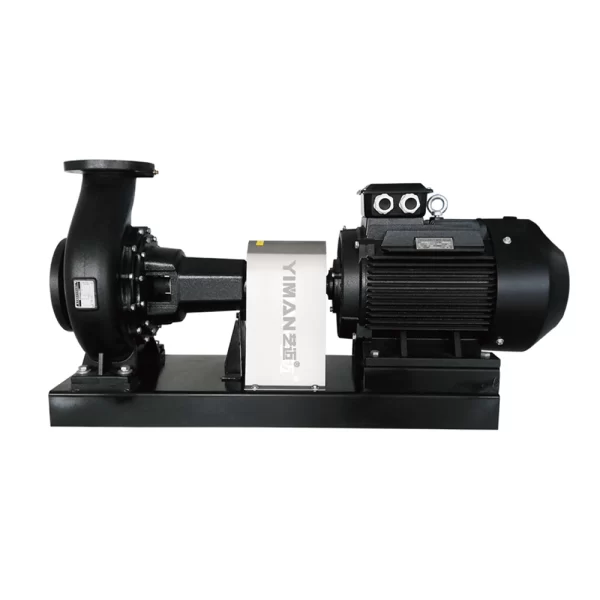
Shanghai Yimai Industrial Co., Ltd. builds pump systems for the conditions manufacturing, power generation, and mining actually present. Our product range includes Vertical Multi Stage Centrifugal Pump designs for high-pressure applications and Split Casing Double Suction Pump configurations for high-flow requirements.
Engineering Pump Systems for Specific Application Requirements
Standard catalog pumps work for standard applications. Many industrial requirements fall outside those boundaries. Our engineered pump systems address application-specific pump design challenges through material selection, hydraulic optimization, and construction features matched to actual operating conditions.
This approach produces reliable industrial equipment that performs as expected in service. The engineering investment during selection prevents the ongoing costs of equipment that struggles with its application.
Building Pumps That Last Through Quality Materials and Manufacturing
Durable industrial pumps start with appropriate materials and careful manufacturing. Our production processes maintain the dimensional accuracy and surface quality that affect pump efficiency and seal life. Testing confirms that each unit meets performance specifications before shipment.
Pump maintenance services and after-sales support pumps require throughout their service life keep equipment running at design capability. Our technical team provides guidance on installation, operation, and maintenance practices that maximize equipment life.
The Future of Industrial Pumping Runs on Intelligence and Efficiency
Industrial water pump technology continues advancing toward systems that monitor themselves, optimize their own operation, and predict their maintenance needs. Facilities that adopt these capabilities gain advantages in reliability, efficiency, and operating cost.
Strategic pump selection remains fundamental. The most sophisticated control system cannot compensate for equipment mismatched to its application. Combining appropriate equipment selection with modern monitoring and control technology produces pumping systems that support sustainable industrial operations for years of productive service.
Frequently Asked Questions About Industrial Water Pump Applications
What types of industrial pumps are best suited for abrasive mining slurries?
Mining slurries require slurry pumps built specifically for abrasive service. Heavy-duty centrifugal designs handle most applications, with positive displacement pumps serving situations requiring precise flow control or very high concentrations. Construction materials include elastomer liners that absorb particle impact and hard metal alloys that resist grinding wear. The specific material choice depends on particle size, concentration, and fluid chemistry.
How can manufacturing facilities optimize water pump energy consumption?
Energy optimization starts with proper pump sizing—equipment matched to actual requirements rather than oversized for worst-case scenarios. Adding Variable Speed Drives (VSD) allows pumps to reduce speed during periods of lower demand, cutting energy consumption significantly. Predictive maintenance keeps equipment running at design efficiency by catching wear before it degrades performance. Closed-loop systems reduce the total pumping load by recirculating fluid rather than moving fresh supply continuously.
What are the key maintenance challenges for high-pressure boiler feed pumps in power plants?
High-pressure boiler feed pumps face several maintenance challenges specific to their severe service conditions. Cavitation prevention requires careful attention to suction system design and operation. Internal wear from high-velocity flow gradually degrades efficiency and must be addressed during overhauls. Mechanical seals operate under demanding temperature and pressure conditions that limit their service life. Vibration monitoring programs detect developing problems with bearings, coupling alignment, and rotor balance before they cause forced outages.
Partner with Shanghai Yimai for Your Pumping Needs
Shanghai Yimai Industrial Co., Ltd. provides engineered water pump solutions for manufacturing, power generation, and mining applications. Our technical team works with customers to match equipment capabilities to actual operating requirements. Contact us to discuss your fluid handling challenges and explore options from our comprehensive product range. Email: overseas1@yimaipump.com | Phone/WhatsApp: +86 13482295009