
Inline Circulation Pumps: Boosting HVAC & Hot Water Efficiency
Inline circulation pumps sit at the heart of most HVAC and hot water systems I encounter. They move fluid through closed or open loops, keep temperatures even across zones, and do it all without demanding much floor space. The inline design slots directly into existing piping, which cuts installation time and avoids the structural headaches that come with larger pump configurations. What makes these pumps worth understanding is how much system performance depends on getting the selection and maintenance right. A pump that matches the hydraulic load precisely will run quieter, last longer, and pull less power than one that’s oversized or undersized for the job.
What Makes Inline Circulation Pumps Different From Traditional Configurations
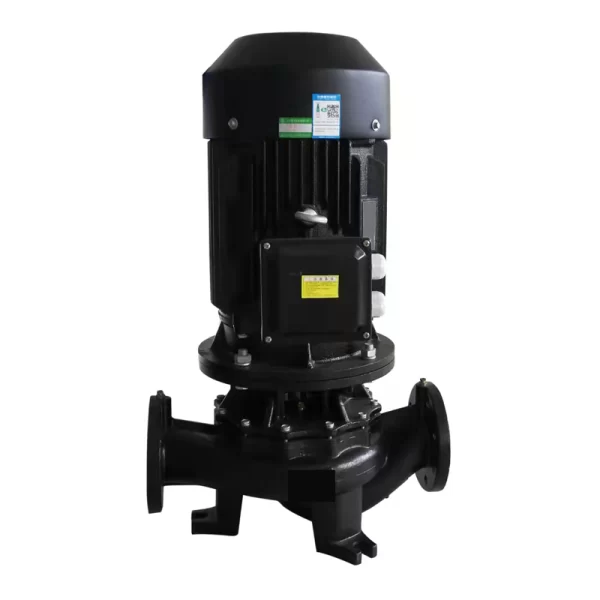
Inline circulation pumps are centrifugal pumps engineered for direct pipeline installation. The suction and discharge ports align on the same axis, which eliminates the need for separate pump foundations or complex piping transitions. Inside the casing, an impeller spins and generates centrifugal force that pushes fluid through the system. This basic operating principle hasn’t changed much over the decades, but the surrounding technology has.
Modern inline circulation pump designs now incorporate variable speed drives and integrated control systems. These additions allow the pump to modulate its output based on real-time demand rather than running at a fixed speed regardless of load. When a building’s heating demand drops overnight, the pump slows down. When demand spikes in the morning, it ramps up. This responsiveness translates directly into lower energy bills and reduced mechanical wear.
We offer Single Stage In Line Circulation Pump with a maximum flow rate of 700 m³/h and a max head of 150 m. These pumps handle clean, low-viscosity liquids without particles or fibers, operating efficiently between -25°C and 140°C.
The shift toward smart building integration has pushed inline circulation pump technology further. Pumps now communicate with building management systems, reporting performance data and responding to automated commands. This connectivity makes troubleshooting faster and allows facility managers to spot efficiency losses before they become expensive problems.
How These Pumps Actually Improve HVAC and Hot Water Performance
The practical benefit of an inline circulation pump shows up in temperature consistency. Without adequate circulation, hot water stratifies in storage tanks and HVAC coils deliver uneven heating or cooling. The pump keeps fluid moving at rates that prevent these problems.
In HVAC applications, steady flow through heating and cooling coils means the system can respond quickly to thermostat changes. Occupants notice the difference as more stable room temperatures and fewer complaints about hot or cold spots. For hot water recirculation, the pump eliminates the wait time at fixtures. Hot water arrives almost immediately, which reduces water waste and improves user satisfaction.
The energy savings from properly applied inline circulation pumps typically fall between 20% and 30% compared to older fixed-speed systems. The exact figure depends on the building’s load profile and how much the demand varies throughout the day.
The Real Numbers Behind Energy Efficiency Gains
Variable speed drives on inline circulation pumps deliver the most significant efficiency improvements. The relationship between pump speed and power consumption follows the affinity laws, meaning a small reduction in speed produces a much larger reduction in power draw. Running a pump at 80% speed uses roughly half the energy of running it at full speed.
Lifecycle cost analysis consistently shows that the upfront premium for variable speed inline circulation pumps pays back within two to four years in most commercial applications. After that, the savings continue for the remaining life of the equipment.
| Performance Metric | Before Pump Optimization | After Pump Optimization |
|---|---|---|
| Energy Consumption | High | Reduced by 20-30% |
| Hot Water Delivery Time | Delayed | Instant |
| Temperature Uniformity | Variable | Consistent |
| Operational Noise | Moderate | Low |
| System Response | Slow | Fast |
Where Inline Circulation Pumps Work Best
Commercial HVAC systems represent the largest application segment for inline circulation pumps. These pumps circulate chilled water through cooling coils in summer and heated water through heating coils in winter. The inline configuration fits neatly into mechanical rooms where space is limited.
Industrial facilities use inline circulation pumps for process heating applications where temperature stability matters. Food processing, pharmaceutical manufacturing, and chemical production all require precise temperature control that these pumps help maintain.
District heating networks depend on inline circulation pumps to move hot water or steam across large geographic areas. The pumps must handle high flow rates and significant pressure differentials while maintaining efficiency.
A commercial building project we supplied achieved a 25% reduction in energy consumption after installing our inline circulation pumps in the HVAC system. Indoor temperatures became more stable, and the building management team reported fewer service calls related to comfort complaints.
Our Heat Conducting Oil Pump handles high-temperature applications up to 350°C, serving petroleum and chemical industries where standard water-based systems cannot operate.
| Application Field | Typical Fluid Handled | Key Benefit |
|---|---|---|
| HVAC Systems | Chilled and Heated Water | Precise Temperature Control |
| Hot Water Recirculation | Domestic Hot Water | Instant Hot Water and Water Savings |
| District Heating | Superheated Water or Steam | Efficient Heat Distribution |
| Industrial Process Heating | Thermal Oil and Water | Stable Process Temperatures |
| Cooling Towers | Cooling Water | Optimal Heat Rejection |
| Boiler Feed | Treated Water | Consistent Boiler Operation |
Getting the Selection Right
Choosing the correct inline circulation pump starts with understanding the system’s hydraulic requirements. Flow rate and head pressure are the two fundamental parameters. The pump must deliver enough flow to meet the system’s thermal load while generating sufficient pressure to overcome friction losses in the piping network.
Pump sizing calculations should account for both design conditions and part-load operation. A pump selected only for peak demand will spend most of its operating hours running inefficiently at reduced loads. Variable speed capability addresses this problem, but the pump still needs to be sized appropriately for the expected operating range.
Material selection depends on what fluid the pump will handle. Standard cast iron works fine for clean water in closed-loop systems. Corrosive fluids or aggressive water chemistry require stainless steel or other corrosion-resistant materials. Getting this wrong leads to premature failure and expensive repairs.
Net positive suction head calculations prevent cavitation, which occurs when pressure at the pump inlet drops low enough for the fluid to vaporize. Cavitation damages impellers and seals, shortens pump life, and creates noise that occupants can hear through building structures.
Keeping Inline Circulation Pumps Running
Maintenance requirements for inline circulation pumps are straightforward but cannot be ignored. Seal inspection should happen regularly because small leaks become big leaks if left unaddressed. Bearing lubrication follows manufacturer schedules, and skipping this step accelerates wear.
Vibration monitoring catches developing problems before they cause failures. A pump that starts vibrating more than usual often has a bearing issue, an impeller imbalance, or a coupling problem. Addressing these early costs far less than emergency repairs.
Hot water systems benefit from periodic flushing to remove scale deposits. Scale acts as an insulator, reducing heat transfer efficiency and forcing the pump to work harder. In areas with hard water, this maintenance step becomes especially important.
Shanghai Yimai’s Approach to Pump Solutions
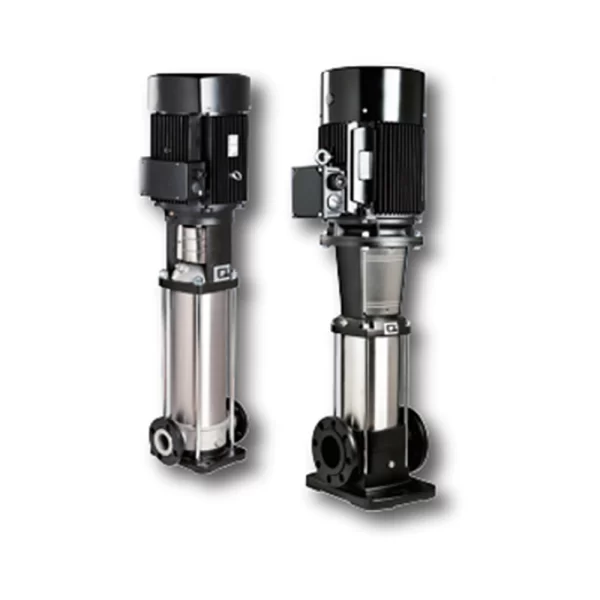
Shanghai Yimai Industrial Co., Ltd. manufactures inline circulation pumps alongside electrical motors and integrated pump systems. Our product range includes Vertical Multi Stage Centrifugal Pump and Intelligent Digital Drived VFD Booster System configurations designed for commercial and industrial applications.
Custom pump manufacturing allows us to address specific project requirements that standard products cannot meet. Whether the application involves unusual fluid properties, extreme temperatures, or space constraints, we engineer solutions that fit the actual operating conditions.
Common Questions About Inline Circulation Pumps
How long should an inline circulation pump last in a commercial building?
A quality inline circulation pump in a commercial HVAC system typically operates for 10 to 15 years with proper maintenance. Some installations exceed this range when operating conditions remain favorable and maintenance schedules are followed consistently. Fluid quality, operating temperature, and load cycling frequency all affect longevity. Pumps that run continuously at steady loads often outlast those subjected to frequent starts and stops.
What makes variable speed control worth the extra cost?
Variable speed inline circulation pumps adjust motor speed to match system demand rather than running at full output constantly. This capability reduces energy consumption during periods of lower demand, which in most buildings represents the majority of operating hours. The energy savings typically recover the additional equipment cost within two to four years. Beyond energy, variable speed operation reduces mechanical stress and extends bearing and seal life.
What maintenance tasks matter most for these pumps?
Regular seal and bearing inspection prevents the most common failure modes. Checking for leaks, monitoring system pressure, and ensuring proper lubrication form the core maintenance routine. Hot water applications require periodic flushing to prevent scale accumulation that reduces efficiency. Vibration monitoring helps identify developing problems before they cause unplanned downtime.
Work With Shanghai Yimai on Your Next Project
Shanghai Yimai Industrial Co., Ltd. brings specialized expertise in inline circulation pump applications for HVAC and hot water systems. Our engineering team can help match pump specifications to your project requirements and provide guidance on installation and maintenance practices. Reach out for a technical consultation or to discuss specific application challenges. Email: overseas1@yimaipump.com | Phone/WhatsApp: +86 13482295009.