
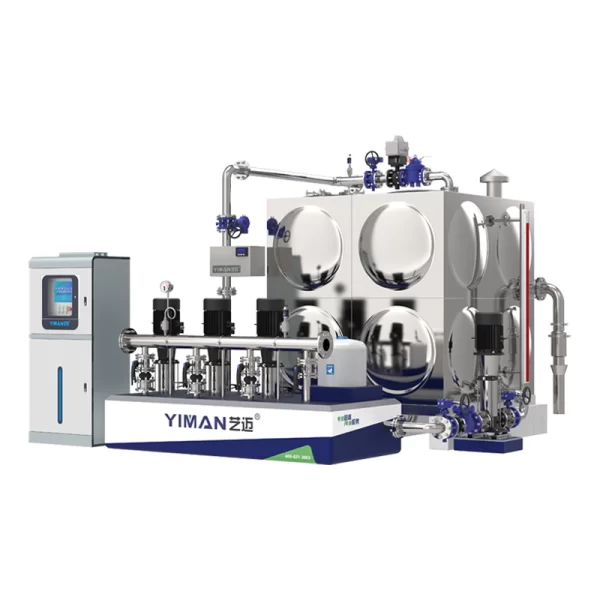
Industrial water pumps keep operations running. When they fail without warning, you’re looking at halted production, emergency repair bills, and the kind of downtime that makes accountants nervous. After years working with industrial water systems, I’ve seen what separates facilities that struggle with constant pump issues from those that...
Electric motors keep industrial operations running. Pumping systems, waste treatment, manufacturing lines—they all depend on these machines. The gap between high efficiency and standard motors shows up in two places that matter: your energy bills and your environmental impact. This comparison breaks down what industrial buyers need to know...
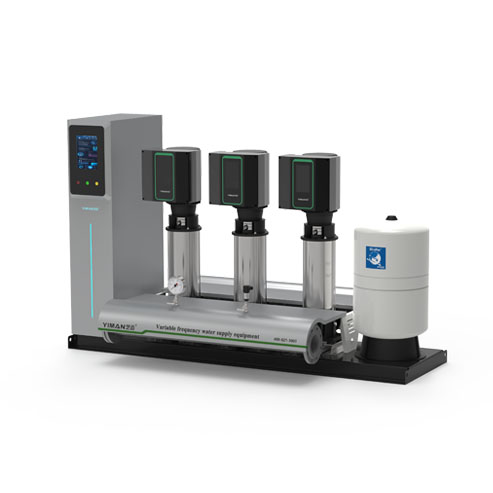
Industrial motors keep production lines moving. When they fail unexpectedly, everything stops, and the costs add up fast. A solid maintenance approach changes that equation entirely, turning unpredictable breakdowns into scheduled, manageable interventions. What follows lays out a practical framework for motor care that actually works in real operating...
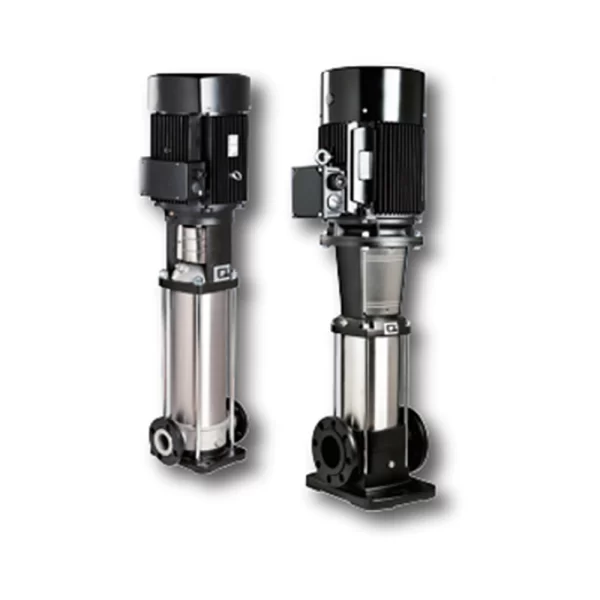
Picking the right motor for an industrial water pump sounds straightforward until you’re staring at spec sheets and realizing how many ways this decision can go sideways. The motor you choose shapes everything downstream—energy bills, maintenance schedules, how long the whole system actually lasts before something gives out. At...
Picking the right motor control setup matters more than most engineers give it credit for. Get it wrong, and you’re looking at blown fuses, worn-out bearings, and maintenance headaches that pile up fast. The choice between soft starters and Variable Frequency Drives comes down to what you actually need...
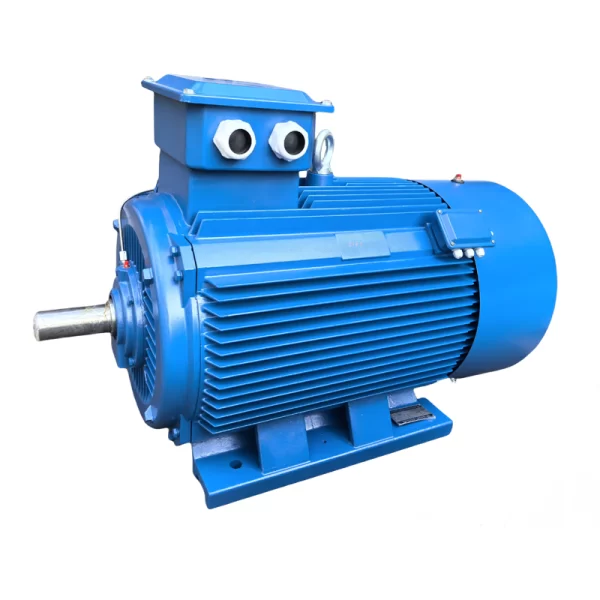
Industrial motor safety sits at the center of everything we do in operations. When a motor fails without warning, the costs pile up fast—lost production, emergency repairs, and sometimes safety incidents that nobody wants to deal with. Smart monitoring changes this equation entirely. Instead of waiting for something to...
Rising energy costs and tighter environmental rules are pushing factories to rethink their motor choices. Electric motors account for a huge share of industrial electricity use, so even modest efficiency gains add up fast. This piece walks through the IE efficiency classes, what the regulations actually require, and how...
Getting multiple motors to work together smoothly is one of those challenges that looks simple on paper but gets complicated fast in practice. The coordination problem sits at the heart of modern industrial automation, where a single misstep in timing or load distribution can cascade through an entire production...
Picking the right motor standard shapes everything from initial system design to years of maintenance down the road. Questions about NEMA versus IEC motors come up constantly, especially when applications span different regions or require specific performance characteristics. Working with industrial equipment across the spectrum, including the IE3 Three...
Strange sounds from electric motors tell you something’s wrong before the repair bill arrives. Getting the diagnosis right matters because it keeps equipment running and avoids the kind of downtime that throws production schedules into chaos. Different faults produce different sounds, and learning to read those acoustic clues makes...