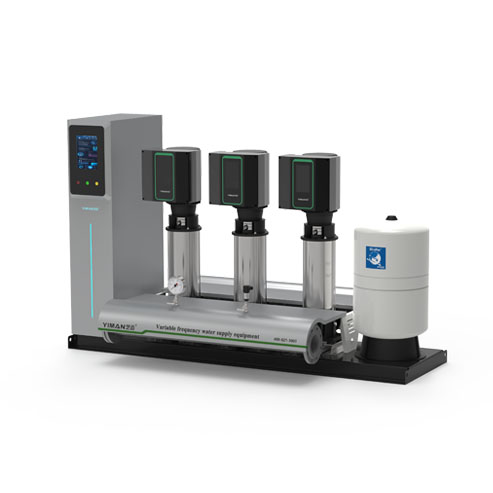
Vertical Multi-Stage vs Single-Stage Pumps: Pressure and Flow

Selecting the Right Industrial Pump: Vertical Multi-Stage vs. Single-Stage Getting pump selection wrong costs more than money—it costs efficiency, uptime, and sometimes the entire system’s reliability. The choice between vertical multi-stage and single-stage pumps comes down to a straightforward question: what does your application actually demand in terms of...

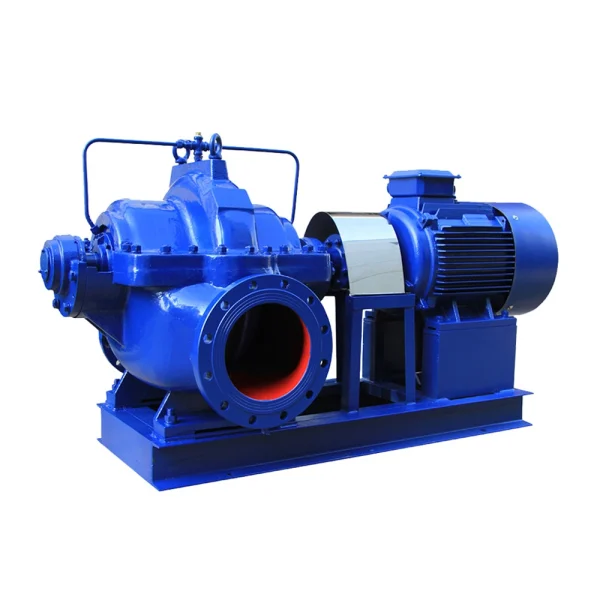
End Suction vs Double Suction Pump: Choosing Your Industrial Solution

Choosing between end suction and double suction centrifugal pumps shapes how an industrial system performs for years. I’ve watched engineers agonize over this decision, and for good reason—the wrong choice means wasted energy, premature wear, or a pump that simply cannot keep up with demand. The differences between these...

Fire Pump System Design: Ensuring Uninterrupted Fire Protection

Fire pump systems sit at the core of any serious fire protection strategy. When municipal water pressure falls short during an emergency, these systems step in to deliver the flow and pressure that sprinklers and hydrants need to function. Getting the design right means understanding hydraulic demands, selecting components...

Vertical Turbine Fire Pumps: NFPA 20 Compliance & Design

Vertical turbine fire pumps sit at the heart of serious fire protection systems. When water sources live below grade—deep wells, underground reservoirs, or basement sumps—these pumps pull water up and push it through sprinkler networks and hydrants with the kind of reliability that matters when seconds count. NFPA 20...

Inline Circulation Pumps: Boosting HVAC & Hot Water Efficiency

Inline circulation pumps sit at the heart of most HVAC and hot water systems I encounter. They move fluid through closed or open loops, keep temperatures even across zones, and do it all without demanding much floor space. The inline design slots directly into existing piping, which cuts installation...

Stainless Steel Screw Pump Solutions for Food and Pharma

Stainless steel screw pumps show up wherever fluid transfer demands precision without compromise. I’ve watched these machines handle everything from delicate yogurt cultures to aggressive chemical slurries, and what strikes me most is how they manage to be both gentle and relentless at the same time. The material choice...

Heat Transfer Oil Pump: Selection Guide for Thermal Systems

Heat transfer oil pumps keep showing up wherever precise temperature control matters. I’ve watched these units run for years in facilities where a few degrees of drift would ruin an entire batch. The engineering behind them is straightforward in principle but demanding in execution. You’re moving fluid at temperatures...

Self-Priming Pump: Operation, Industrial Uses, and Maintenance Guide

Self-priming pumps solve a problem that standard centrifugal pumps cannot: they start dry. That single capability changes everything about where you can install them and how reliably they operate when fluid levels fluctuate. The technology behind this involves air-liquid separation within the pump itself, a process that sounds simple...

Optimizing Water Pump Reliability for Industrial Operations

Industrial water pumps keep operations running. When they fail without warning, you’re looking at halted production, emergency repair bills, and the kind of downtime that makes accountants nervous. After years working with industrial water systems, I’ve seen what separates facilities that struggle with constant pump issues from those that...

High Efficiency Motors Versus Standard Motor Performance Analysis

Electric motors keep industrial operations running. Pumping systems, waste treatment, manufacturing lines—they all depend on these machines. The gap between high efficiency and standard motors shows up in two places that matter: your energy bills and your environmental impact. This comparison breaks down what industrial buyers need to know...

Get A Free Documents!