
Prefabricated Pump Station Installation: A Step-by-Step Technical Guide
Getting a prefabricated pump station from delivery to full operation involves more moving parts than most project timelines suggest. The modular design speeds things up considerably compared to traditional construction, but each phase still demands careful coordination. Site conditions, utility connections, and control system integration all need to work together before the first pump cycle runs. What follows breaks down the installation sequence into practical stages, covering the decisions and checks that determine whether a station performs reliably for years or becomes a maintenance headache.
Site Assessment Sets the Foundation for Everything That Follows
The work that happens before any equipment arrives often determines how smoothly the rest of the project unfolds. Rushing through site preparation creates problems that surface months or years later, usually at the worst possible time.
Ground Conditions Shape Design Decisions
A geotechnical analysis tells you what the soil can actually support. Soil composition, water table depth, and seismic risk all influence foundation design. Sandy soils behave differently than clay under sustained loads. High water tables require dewatering strategies during excavation and may affect long-term buoyancy calculations for the installed unit.
These surveys occasionally reveal surprises. Unexpected rock formations change excavation costs. Contaminated soil triggers additional handling requirements. Knowing these factors early allows design adjustments before concrete gets poured.
Permits Take Longer Than Expected
Local permitting requirements vary significantly between jurisdictions. Environmental permits, stormwater management approvals, and utility connection agreements each follow their own timelines. Starting this process early prevents the situation where equipment sits on-site waiting for paperwork.
Some municipalities require detailed hydraulic calculations showing the station won’t overwhelm downstream infrastructure. Others focus heavily on noise ordinances or visual screening requirements. Understanding what each authority needs upfront keeps the approval process moving.
Module Placement Requires Precision Engineering
Once the site is ready, the physical installation happens relatively quickly. The foundation work and crane operations need to be coordinated carefully to avoid costly repositioning.
The sequence typically runs like this: First, a reinforced concrete slab gets poured to specifications matching the unit’s weight and operational forces. The prefabricated pump station then arrives on-site, transported as a complete or partially assembled module. A crane lifts the unit and positions it precisely over the anchorage points. Final fastening secures the module against both operational vibration and environmental loads like wind or seismic movement.
Prefabricated Pump Station units handle processing capacities from 50 to 100,000 m³/day, with cylinder diameters ranging from 1200 to 3800 mm. Pump power options span 0.75 to 370 kW, accommodating one to four pumps per station. The fiberglass-reinforced plastic construction eliminates leakage risks while built-in water hammer protection prevents the vibration and noise problems that backflow can cause.
Utility Connections Bring the System to Life
Piping, electrical, and control system integration transform a placed module into a functioning pump station. Each connection point represents a potential failure mode if not handled correctly.
Piping and Valve Work Demands Attention to Detail
Hydraulic connections need proper alignment to avoid stress on pump flanges. Misaligned piping creates vibration that accelerates wear on seals and bearings. All joints require appropriate sealing methods based on the fluid being handled and operating pressures.
Pressure testing before backfilling confirms connection integrity. Finding a leak after the excavation is closed costs far more than the time spent on thorough initial testing.
Control Systems Enable Intelligent Operation
Modern pump stations rely on electrical and SCADA integration for automated operation. Variable frequency drives adjust pump speed to match actual demand, reducing energy consumption and mechanical wear. Remote monitoring catches developing problems before they cause failures.
The Intelligent Digital Drived VFD Booster System provides precise pressure management that responds to changing system conditions in real time.
For deeper insight into pressure optimization, read 《VFD Controlled Booster System Intelligent Pressure Management for Energy and Water Savings》.
Commissioning Confirms Everything Works as Designed
Testing validates that the installed system meets performance specifications. Skipping steps here means discovering problems during actual operation, when the consequences are more serious.
| Commissioning Step | Description | Key Outcome |
|---|---|---|
| Pre-start Checks | Verify all mechanical and electrical connections, fluid levels, and valve positions. | System readiness confirmed. |
| Initial Power-up | Energize control panels and motors in a controlled sequence. | Electrical systems operational. |
| Functional Testing | Test individual components like pumps, valves, and sensors. | Component functionality verified. |
| Performance Testing | Operate the system under various load conditions to confirm flow and pressure. | System meets design specifications. |
| Safety Protocol Review | Validate emergency shutdowns, alarms, and safety interlocks. | All safety features active and responsive. |
| Data Logging & Analysis | Record operational data to establish baseline performance metrics. | Performance benchmark established. |
Safety protocol verification matters especially for wastewater pump station and sewage lifting system applications where confined space hazards and toxic gas exposure risks exist.
Maintenance Practices Determine Long-Term Performance
A well-installed prefabricated pump station can operate reliably for decades with proper care. Neglected systems fail earlier and cost more to repair.

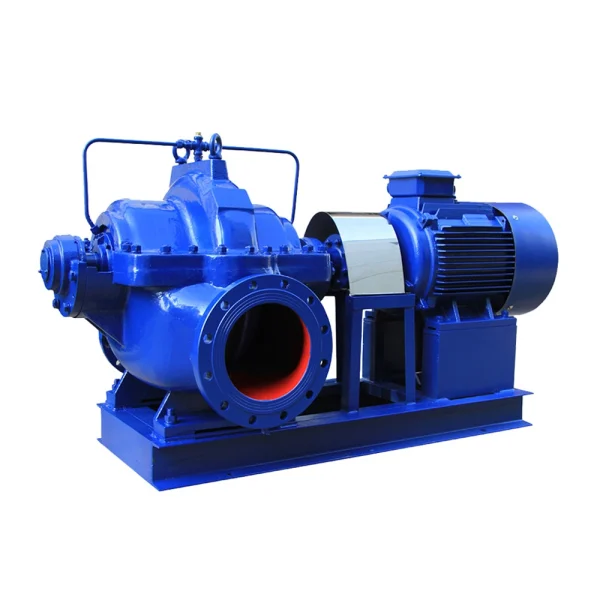
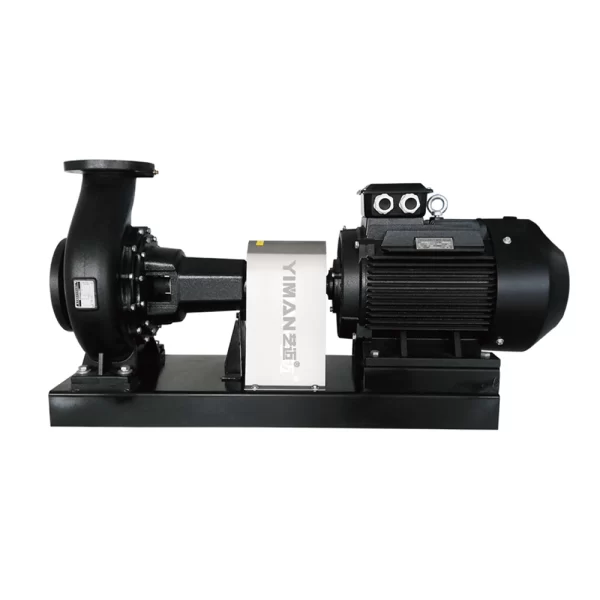
Regular inspection of pump station components catches wear before it causes failures. Impellers, seals, and bearings all have predictable wear patterns that scheduled checks can identify. Equipment like the Vertical Multi Stage Centrifugal Pump and Split Casing Double Suction Pump benefit from manufacturer-recommended maintenance intervals.
Monitoring trends in vibration, temperature, and power consumption reveals developing problems. A pump drawing more current than usual often indicates bearing wear or impeller damage. Catching these signals early allows planned repairs instead of emergency responses.
Partner with Shanghai Yimai Industrial Co., Ltd. for Advanced Pump Station Solutions
For over two decades, Shanghai Yimai Industrial Co., Ltd. has been at the forefront of designing and manufacturing high-performance integrated pre-casting pump stations, booster water systems, and sewage lifting systems. Our commitment to innovation and quality ensures reliable, efficient, and sustainable water management infrastructure. If you’re planning a new project or seeking to upgrade existing facilities, our team of experts is ready to provide tailored solutions and unparalleled support from concept to commissioning. Contact us today to discuss your specific requirements and discover how our engineering excellence can benefit your next project. Email: overseas1@yimaipump.com | Phone/WhatsApp: +86 13482295009
Frequently Asked Questions About Prefabricated Pump Station Installation
What problems show up most often during installation?
Site logistics create the most frequent headaches. Access roads that can’t handle delivery trucks, overhead obstructions that limit crane reach, and underground utilities that weren’t on the drawings all cause delays. Precise module placement requires coordination between the crane operator and ground crew that takes practice to get right. Utility connections, especially electrical work requiring inspections, often take longer than scheduled. Regulatory compliance issues occasionally surface late when permit conditions weren’t fully understood at project start.
How quickly can a modular pump station be installed?
Once site preparation is complete, physical installation and connection of a prefabricated pump station typically takes a few days to two weeks depending on unit size and complexity. The real time savings compared to traditional construction come from the factory assembly. A conventional pump station built on-site might take months of concrete work, equipment installation, and piping fabrication. The modular approach compresses that timeline dramatically, though site preparation and commissioning still require their full duration.
What safety measures matter most during installation?
Excavation safety deserves serious attention. Trench collapses happen fast and kill workers every year. Proper shoring and sloping protect against cave-ins. Crane operations require certified operators, clear communication protocols, and exclusion zones around lift areas. Electrical work follows lockout/tagout procedures to prevent accidental energization. Any work inside the pump station module after placement involves confined space entry protocols, including atmospheric testing and rescue planning. Personal protective equipment requirements vary by task but should be specified in the site safety plan before work begins.